What is Irritable Bowel Syndrome (IBS)
Irritable Bowel Syndrome, or IBS, is a chronic functional disorder of the digestive system. The word "functional" is key to understanding: there's no inflammation, ulcer, or tumor, but rather a disruption in how the intestines function and sense. This is why tests and endoscopies are usually normal, and doctors diagnose the condition based on symptoms according to the globally recognized Rome IV criteria.
The primary symptom is recurrent abdominal pain or discomfort associated with defecation, accompanied by changes in bowel frequency or stool consistency. It's often accompanied by bloating, gas, and a feeling of incomplete evacuation. IBS can sometimes extend beyond the abdomen, causing back pain, fatigue, and mood disturbances, due to its strong connection with psychological state via the gut-brain axis.
Its Four Types
The Rome IV criteria classify IBS into four types based on the predominant stool consistency, using the Bristol Stool Form Scale:
- IBS with Diarrhea (IBS-D): Characterized by predominantly loose or watery stools.
- IBS with Constipation (IBS-C): Characterized by predominantly hard stools and difficulty in defecation.
- Mixed IBS (IBS-M): Alternating diarrhea and constipation, which is the most common type among patients in Saudi Arabia.
- Unsubtyped IBS (IBS-U): Symptoms that don't meet the criteria for the other three types.
Knowing your type is important as it guides dietary and medical management, as what soothes diarrhea may not suit constipation, and vice versa.
Saudi Statistics
IBS is more common among us than we might think. A systematic review pooling twenty Saudi studies involving over seventeen thousand participants found a pooled prevalence of nearly a quarter, with wide variations from about 8% to nearly 49% depending on the studied population. Another meta-analysis estimated the pooled prevalence at approximately 20.7%.
Women are more affected than men, with a ratio of approximately two to one, and the mixed type is the most prevalent locally. Risk factors identified in Saudi studies include stress and anxiety, low water intake, low fiber intake, and a family history of the condition.
Do Your Symptoms Suggest IBS? — A Self-Check
This self-check is indicative, based on Rome IV criteria, and does not replace a doctor's diagnosis. Select what applies to you:
Why Food Triggers It
Many individuals notice their symptoms worsen after consuming specific foods. The most prominent scientific explanation involves a group of short-chain carbohydrates abbreviated as FODMAPs. These are sugars that are poorly absorbed in the small intestine, reaching the colon where they are fermented by bacteria, drawing in water, leading to gas, bloating, and altered bowel motility.
These sugars are present in many foods that are otherwise healthy, such as onions, garlic, wheat, legumes, and dairy, as well as some fruits. This explains why someone with IBS might react to a "healthy" food while feeling fine with another. The issue isn't the quality of the food, but the sensitivity of their gut to the type of sugar it contains.
The FODMAP Diet in Three Phases
The low-FODMAP diet is the most studied approach for managing IBS. Developed by Monash University in Australia, it's not a permanent elimination diet but a three-phase journey aimed at identifying your personal triggers and then expanding your diet as much as possible:
- Elimination Phase: Reduce high-FODMAP foods for 2 to 6 weeks until symptoms subside. Most people experience improvement during this period.
- Reintroduction Phase: Gradually reintroduce food groups one by one over 6 to 8 weeks to identify which foods trigger your symptoms and which you can tolerate.
- Personalization Phase: Develop a long-term eating plan that avoids only your specific triggers, while reintroducing all tolerated foods. This phase should be followed under the guidance of a dietitian.
Foods to Avoid & Include — A Quick Guide
Here are common examples of high-FODMAP foods recommended for reduction during the elimination phase, with low-FODMAP alternatives that serve the same purpose:
Illustrative relative ranking according to Monash University classification, not absolute values. Actual load varies with quantity, ripeness, and cooking.
| Category | Reduce (High) | Alternative (Low) |
|---|---|---|
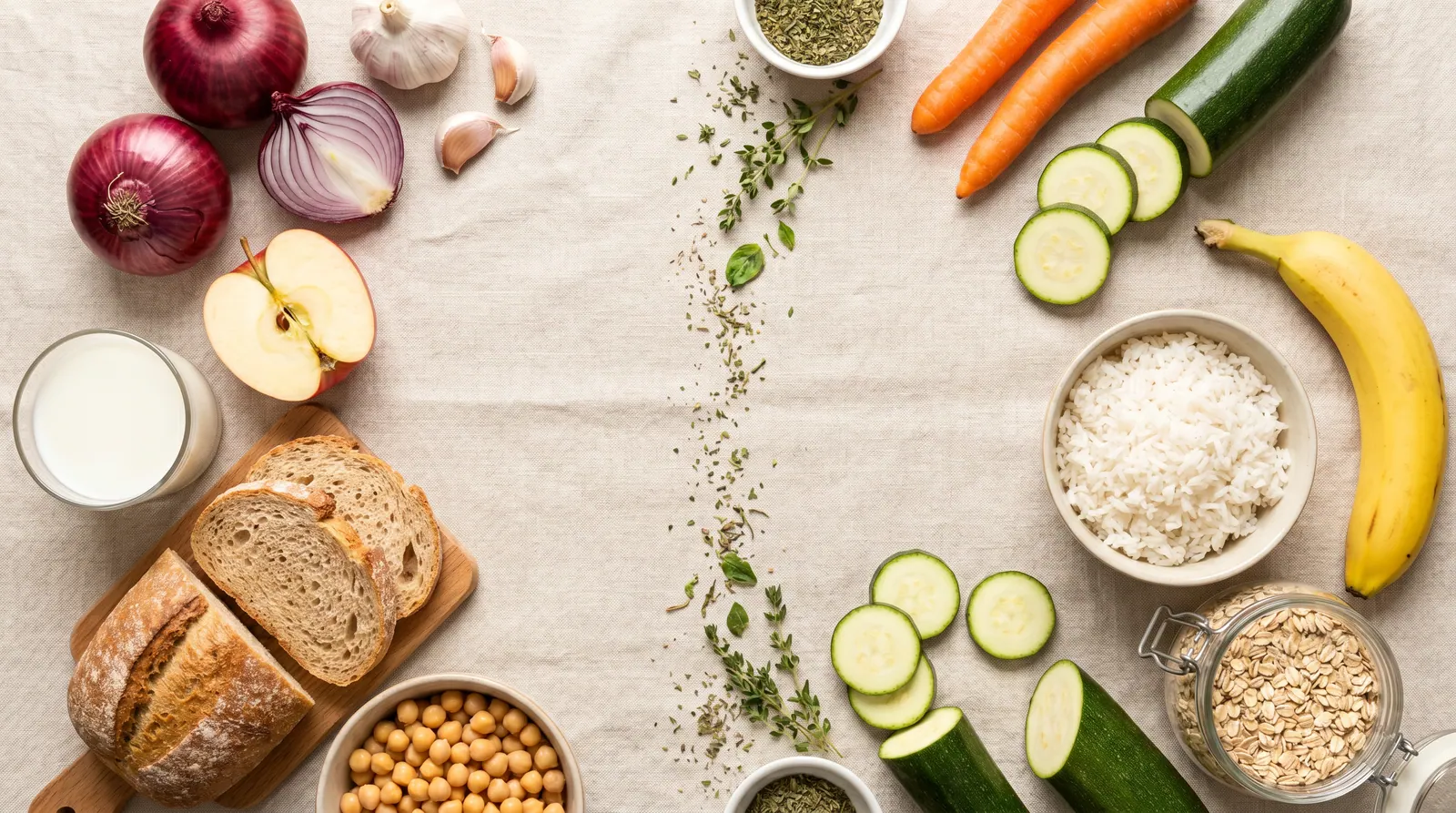
| Vegetables | Onions, Garlic, Cauliflower, Mushrooms | Carrots, Zucchini, Cucumber, Spinach |
| Fruits | Apples, Pears, Mangoes, Watermelon | Bananas, Oranges, Strawberries |
| Starches | Wheat bread, Regular pasta | Rice, Oats, Potatoes |
| Legumes | Chickpeas, Lentils, Fava beans, Kidney beans | Small, canned, and rinsed portions |
| Dairy | Milk, Regular yogurt, Cream | Lactose-free alternatives, Hard cheeses |
| Sweeteners | Honey, and artificial sweeteners (sorbitol, xylitol) | Small amounts of table sugar |
Remember that triggers are individual. This list is a starting point; your personal truth will emerge during the reintroduction phase.
Beyond Diet — Evidence-Based Tools
The FODMAP diet isn't the only option. In 2021, the American College of Gastroenterology (ACG) released clinical guidelines classifying management tools by the strength of evidence, recommending some and advising against others:
- Soluble Fiber — Recommended. Aim for about 20 to 35 grams daily, with psyllium being an excellent source. The guidelines recommend it because it has demonstrated real symptom improvement for many patients. The key is soluble, not coarse, fiber; coarse bran can increase bloating. Start with a teaspoon in a glass of water and gradually increase the dose.
- Peppermint Oil — Recommended. One of the most effective options for general symptom relief, as it relaxes intestinal muscles and reduces spasms. It's typically taken in enteric-coated capsules before meals, with a common dose of 180 mg three times daily.
- Antispasmodics — Advised Against. The guidelines do not support their use for general symptoms due to outdated and weak data, despite their widespread prescription.
- Probiotics — Generally Advised Against. The guidelines do not recommend probiotics for general symptoms due to weak evidence and significant variation between products; what works in one may not work in another. If you choose to try them, don't have high expectations and observe your personal response.
Start with one tool at a time to understand its effect. Introduce fiber gradually with adequate water to avoid initial gas increase.
Common Saudi Triggers
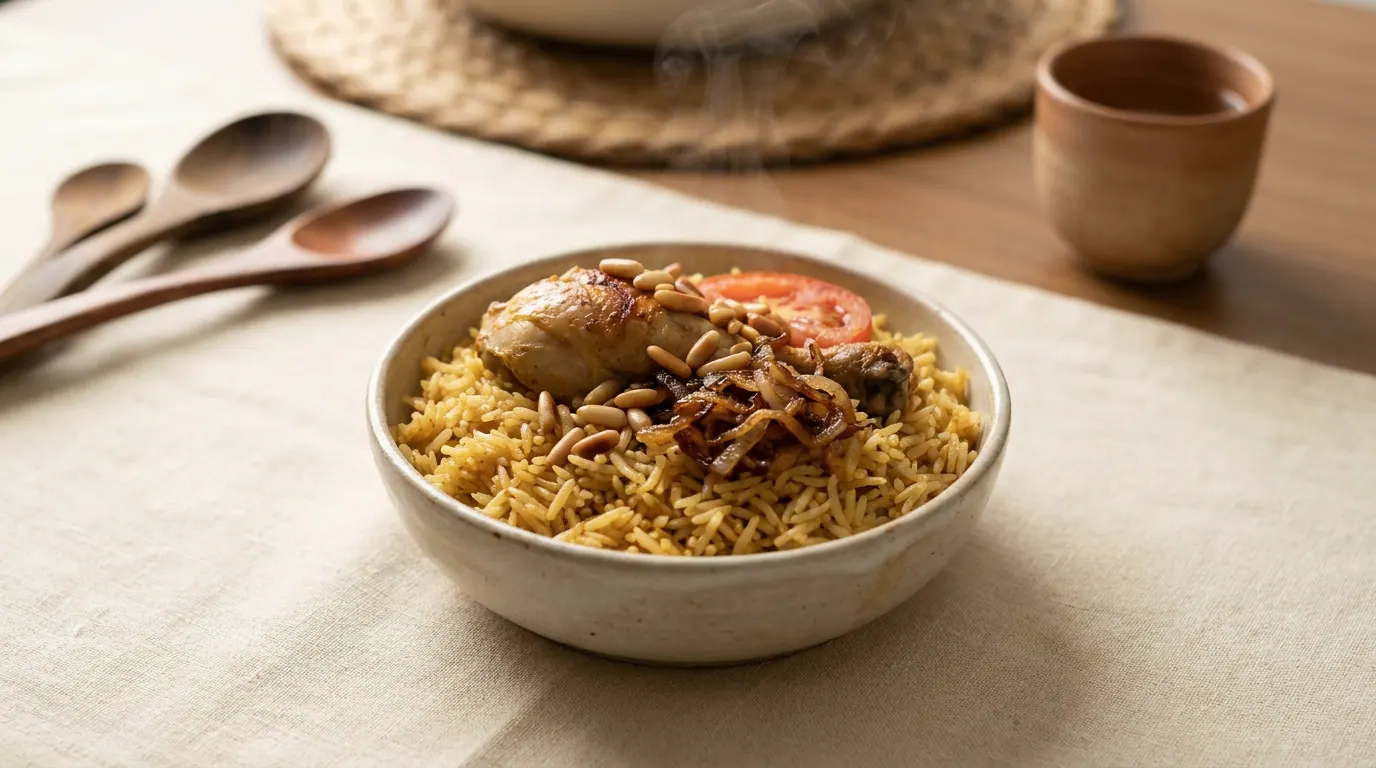
Saudi studies have identified legumes as the most frequently reported trigger food, cited by nearly 65% of patients, followed by dairy at about 55%, and then fatty foods at approximately 46%. These are staples in our cuisine, from fava beans and lentils to rich Kabsa dishes.
Coffee & Tea. Caffeine is a gut stimulant and can trigger diarrhea in those with the diarrhea-predominant type. The effect is individual; some with the constipation-predominant type find their morning cup helpful. Experiment and reduce intake based on your response.
Stress & Sleep. The gut and brain are interconnected. Psychological stress and lack of sleep are major triggers for flare-ups. Stress management, regular exercise, and adequate sleep are integral to treatment, not luxuries.
During Ramadan. The eating pattern changes. Many benefit from distributing water intake between Iftar and Suhoor, starting with dates and light soup before the main meal, reducing coffee and tea after Suhoor, and avoiding overloading the stomach with fried foods and legumes at once. These are common, gut-friendly practices, not medical prescriptions.

The Gut-Brain Axis — Why Stress Affects Your Stomach
It's no coincidence that your symptoms worsen before an important exam or meeting. The gut and brain are bidirectionally connected via the vagus nerve in what's known as the gut-brain axis. The gut is even called the "second brain" due to its vast network of nerve cells. In IBS, these signals become hypersensitive, causing the brain to interpret normal contractions as pain, and stress intensifies and increases the frequency of flare-ups.
This is why gut-directed psychological therapies are among the most powerful evidence-based tools, recommended by European and American societies:
- Cognitive Behavioral Therapy (CBT): Reshapes thought patterns and responses to symptoms, reducing their frequency and severity. It's one of the strongest interventions with evidence for both short and long-term benefits.
- Gut-Directed Hypnotherapy: A scientific method that calms gut hypersensitivity, benefiting many patients with improvements in pain, anxiety, and quality of life.
- Simple Daily Tools: Slow breathing before meals, regular walking, and sufficient sleep. These alone may not cure IBS but can reduce daily triggers.

When to See a Doctor — Red Flags
IBS is bothersome but not inherently dangerous; it doesn't increase cancer risk. However, some symptoms are not typical of IBS and require prompt medical attention to rule out other causes:
- Blood in stool or dark, tarry stools.
- Unintentional and unexplained weight loss.
- Anemia or severe pallor and fatigue.
- Symptoms that wake you up at night or recurrent fevers.
- Onset of symptoms after age 50, or a family history of colon cancer.
The presence of any of these signs doesn't necessarily mean a serious illness, but it indicates that the issue goes beyond IBS and requires medical evaluation.
Five Common Myths About IBS
Misinformation about IBS can increase anxiety or lead to ineffective treatments. Here are the most common myths and the evidence-based truth:
"IBS is purely a psychological illness."
"Probiotics are a cure for IBS."
"IBS can turn into colon cancer."
"All fiber is good for IBS."
"The FODMAP diet is a permanent restriction."
Practical Tips to Implement Today
Before diving into a full protocol, here are small, actionable tips derived from the above, aimed at easing symptoms in your daily life without drastic changes:
- Keep a Food & Symptom Diary: For one week, carry a small notebook or use your phone to record what you eat and how you feel afterward. Your triggers are individual, and you'll only discover them by observing before randomly restricting foods.
- Shop with a List of Alternatives: Instead of trying to remember what to avoid while browsing, keep a short list of low-FODMAP alternatives handy: rice instead of wheat bread, carrots, zucchini, and cucumber instead of onions and garlic, bananas, oranges, and strawberries instead of apples, and lactose-free alternatives instead of regular milk.
- Assemble Your Plate for Gut Comfort: Base your meals on a low-FODMAP staple like rice, potatoes, or oats. Add gentle vegetables and protein, and keep onions, garlic, and large legumes on the side rather than at the heart of the dish.
- The Busy Day Hack: On hectic days, avoid eating quickly while stressed. Overeating and rushed meals can trigger symptoms. Take slow breaths before eating, and aim for regular, calm meals instead of one large meal late in the day.
- Start with One Tool, Not Everything at Once: If you want to try soluble fiber or peppermint oil, introduce only one and monitor its effect before adding others. This helps you identify what truly works. Introduce fiber gradually with sufficient water to avoid initial gas increase.
- Adjust Coffee Intake, Don't Eliminate It: Caffeine is a gut stimulant, and its effect varies. Try reducing the amount or delaying it later in the day. Observe your response, as some with constipation-predominant IBS may benefit from their morning cup.
- Calm Your Mind, Calm Your Gut: The gut and brain are connected. Stress and lack of sleep are major triggers. Make slow breathing before meals, regular walks, and adequate sleep daily habits, not luxuries.
- Prepare Your Doctor's Visit Notes: Record when symptoms started, their nature, what triggers them, and any red flags like blood in stool or weight loss. This concise log will streamline diagnosis and make your appointment more productive.
EEINA's 8-Week Gut Soothing Protocol
An actionable plan combining the above into three progressive layers. Start layer by layer, and log your symptoms daily to understand what works for you.
This protocol is based on the ACG 2021 guidelines and Monash University's FODMAP diet.
Gut-Calming Habits
Four daily habits.
Supervised, Structured Experimentation
Steps to uncover your triggers.
Your Custom Plan After 8 Weeks
Expansion, not permanent restriction.
Golden Rule: The goal isn't the shortest food list, but the widest diet your gut can tolerate. Restriction is a tool for discovery, not a permanent state.
Frequently Asked Questions
Is Irritable Bowel Syndrome dangerous?
What foods should people with IBS avoid?
Does coffee irritate IBS?
Is stress a cause of IBS?
How can I manage IBS during Ramadan?
Start Your Next Step with EEINA
Gut-Friendly Meal Plans
Saudi recipes low in FODMAPs, starting gentle during elimination and expanding as you improve.
Get Your Plan ←Transform Your Favorite Recipes
Modify your favorite Saudi dishes into gut-friendlier versions with low-FODMAP alternatives.
Try It ←The EEINA App
A food & symptom diary to uncover your personal triggers, with reminders for water, meals, and reports for your doctor.
Download ←