What is the Microbiome and Why It's a Metabolic Organ, Not Just a Resident
The microbiome is the community of microorganisms that inhabits your gut, with the majority concentrated in the colon. Its core nutritional function is to ferment what reaches it undigested – namely, fiber – because human enzymes cannot break down these complex carbohydrates. Here, bacteria intervene, breaking them down and producing short-chain fatty acids (SCFAs).
Harvard Health explains that these acids alter the colon's acidity, making it a less hospitable environment for harmful microbes, thus protecting the balance of the microbial city. The nutritional application is simple: diversifying your plant intake means diversifying the fuel reaching your gut, and diversifying the fuel leads to a richer, more resilient microbial community. The fundamental idea is that when you eat, you feed yourself and your bacteria simultaneously.
Short-Chain Fatty Acids — The Currency Your Food Creates
When your bacteria ferment fiber, they produce SCFAs, most notably butyrate. Think of these as nutrients your bacteria create to directly feed your gut lining; butyrate is the primary energy source for colon cells themselves. Simply put: when you eat fiber, you feed bacteria that, in turn, produce fuel for your gut lining.
Butyrate also plays a role in calming inflammation within the gut. What's practically important for you is that a type of starch called resistant starch, found in cooked and then cooled rice and potatoes, as well as in legumes, is an excellent source for producing these SCFAs. This means that a cold plate of Kabsa isn't a drawback; it's become better fuel for your gut.
Prebiotic Fibers — What Specifically Feeds Beneficial Bacteria
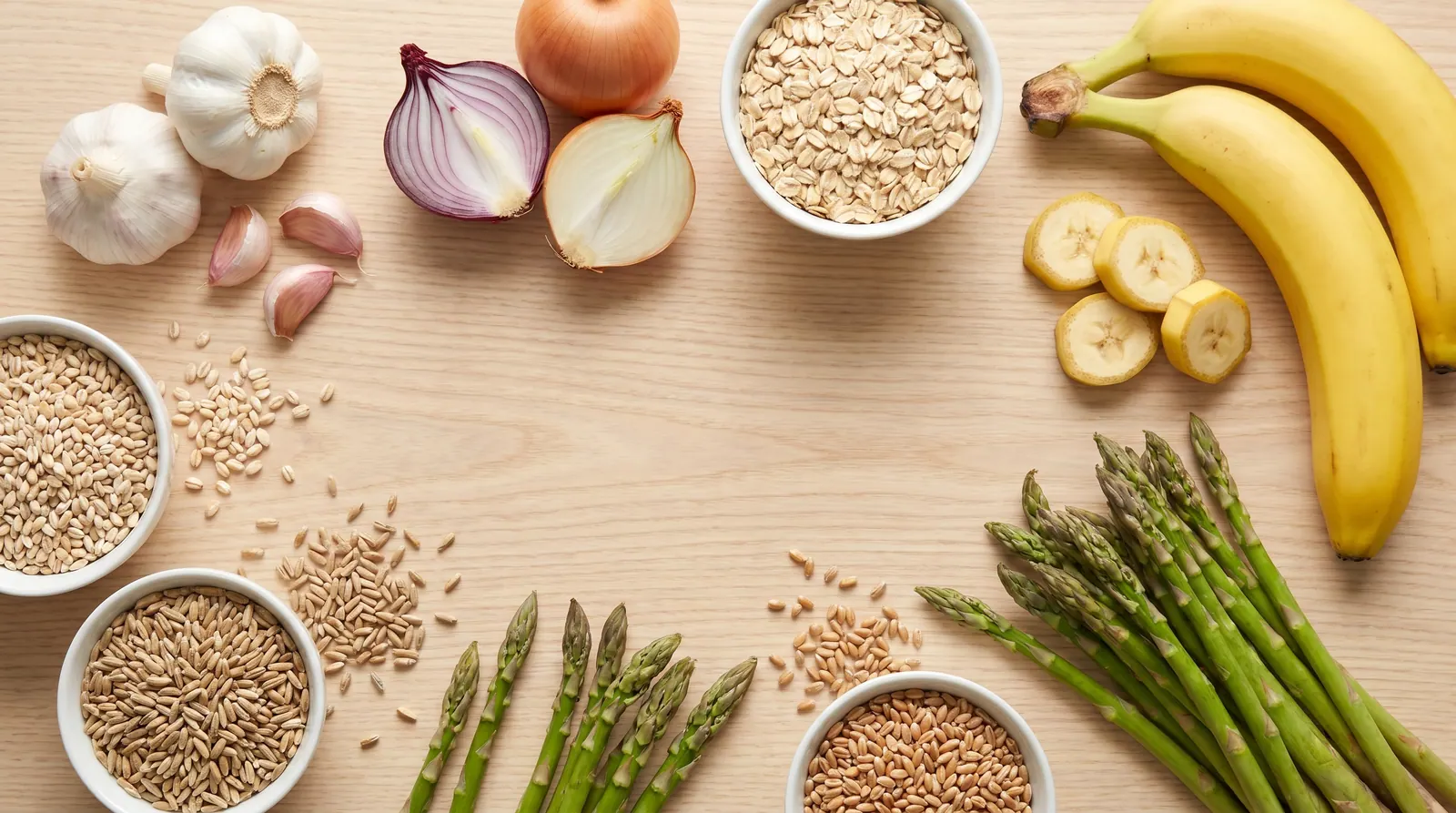
Not all fibers are equal. Prebiotics are a special class of fermentable fibers that selectively feed beneficial bacteria. Harvard defines them as components that are not fully digested by the intestines, such as inulin, oligosaccharides, and pectin, which act as food for bacteria, promoting their growth.
Monash University indicates that the most potent types of prebiotics are inulin and fructooligosaccharides (FOS), all of which stimulate beneficial bacteria in your gut. The comforting news is that these sources are already present in the Saudi kitchen: garlic and onions are among the richest sources of inulin, followed by bananas, legumes, and whole grains. So, adding a clove of garlic and an onion to your cooking isn't just for flavor; it's direct nourishment for your beneficial bacteria.
Fermented Foods (Probiotics) — Live Organisms, Not Just Fiber
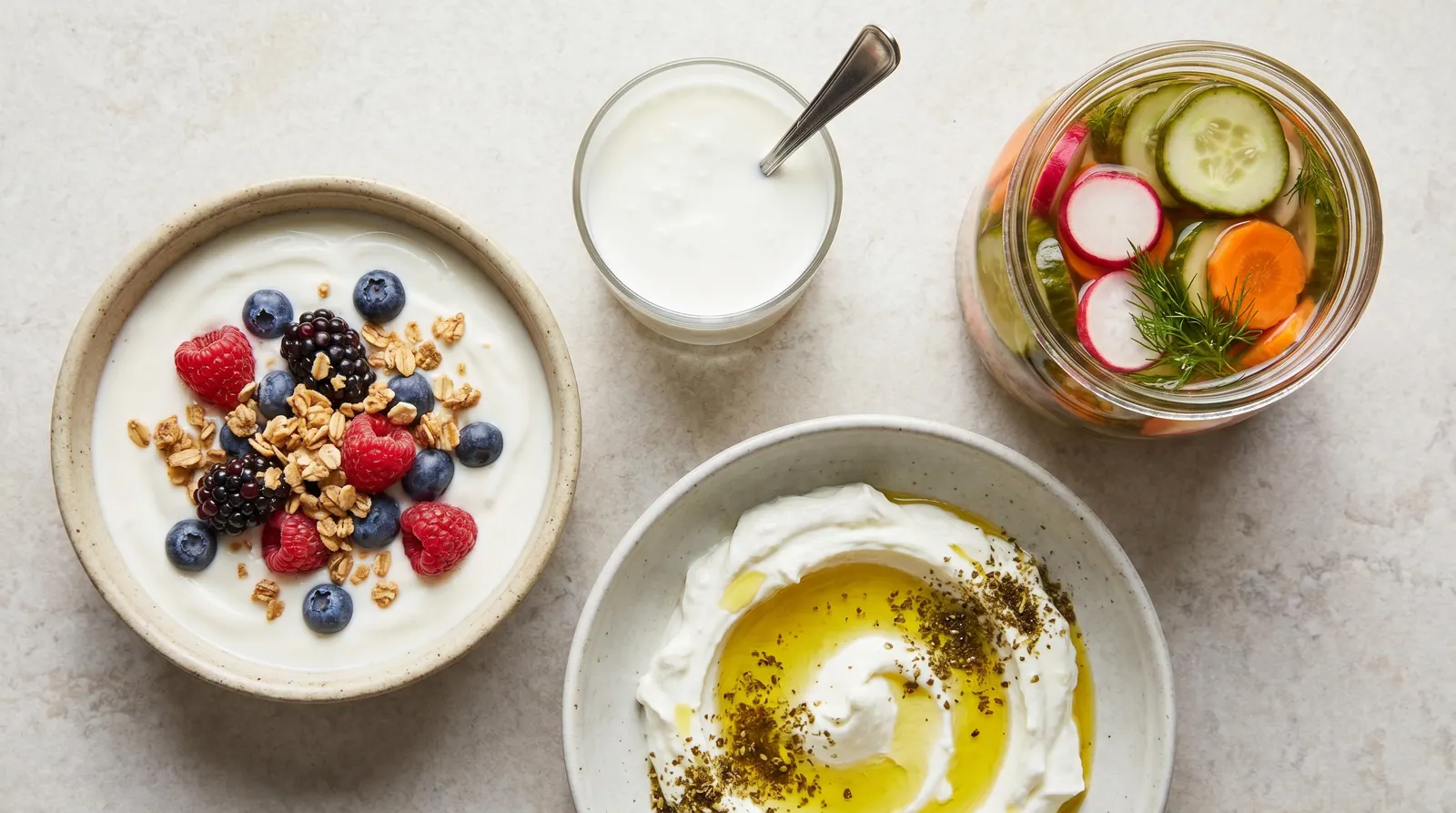
Probiotics differ fundamentally from prebiotics. The World Health Organization defines them as live microorganisms that, when administered in adequate amounts, confer a health benefit on the host; meaning you ingest live bacteria, not just their food. Their natural food sources include fermented foods like yogurt, kefir, fermented pickles, and kimchi, with the most common types being lactic acid bacteria (Lactobacillus and Bifidobacterium) plus yeasts.
The generally accepted effective dose is around 100 million to 1 billion organisms daily for a noticeable effect. Practically speaking, yogurt and laban are integral parts of the Saudi table. However, be aware that products pasteurized or heat-sterilized after fermentation may lose their live cultures; look for the phrase 'live and active cultures' on the packaging. Pickles fermented with salt, not vinegar, are the ones that contain beneficial bacteria.
Is Your Diet Feeding Your Microbiome? — A Self-Check
This self-check is a nutritional guide to assess how closely your pattern aligns with a gut-supportive diet. It does not replace consultation with a nutritionist or doctor. Select what applies to you:
Stanford's Guidance — Why Fermented Foods Might Outperform Fiber in Reducing Inflammation
In a study from Stanford University School of Medicine published in Cell in 2021, researchers followed two groups of healthy adults for ten weeks: one group increased their intake of fermented foods, and the other increased their fiber intake. The fermented food group showed increased microbiome diversity and, more importantly, a significant reduction in blood inflammatory markers – a low-grade inflammation linked to chronic diseases like diabetes and arthritis.
The fiber group did not experience a reduction in inflammatory markers. The most likely explanation is that their gut microbiome was not accustomed to such a large amount of fiber introduced suddenly. The practical lesson for you is clear: introduce fiber gradually, not all at once, and make fermented foods a consistent habit, not a fleeting trend.
Plant Diversity — The 30-Plant Rule Per Week
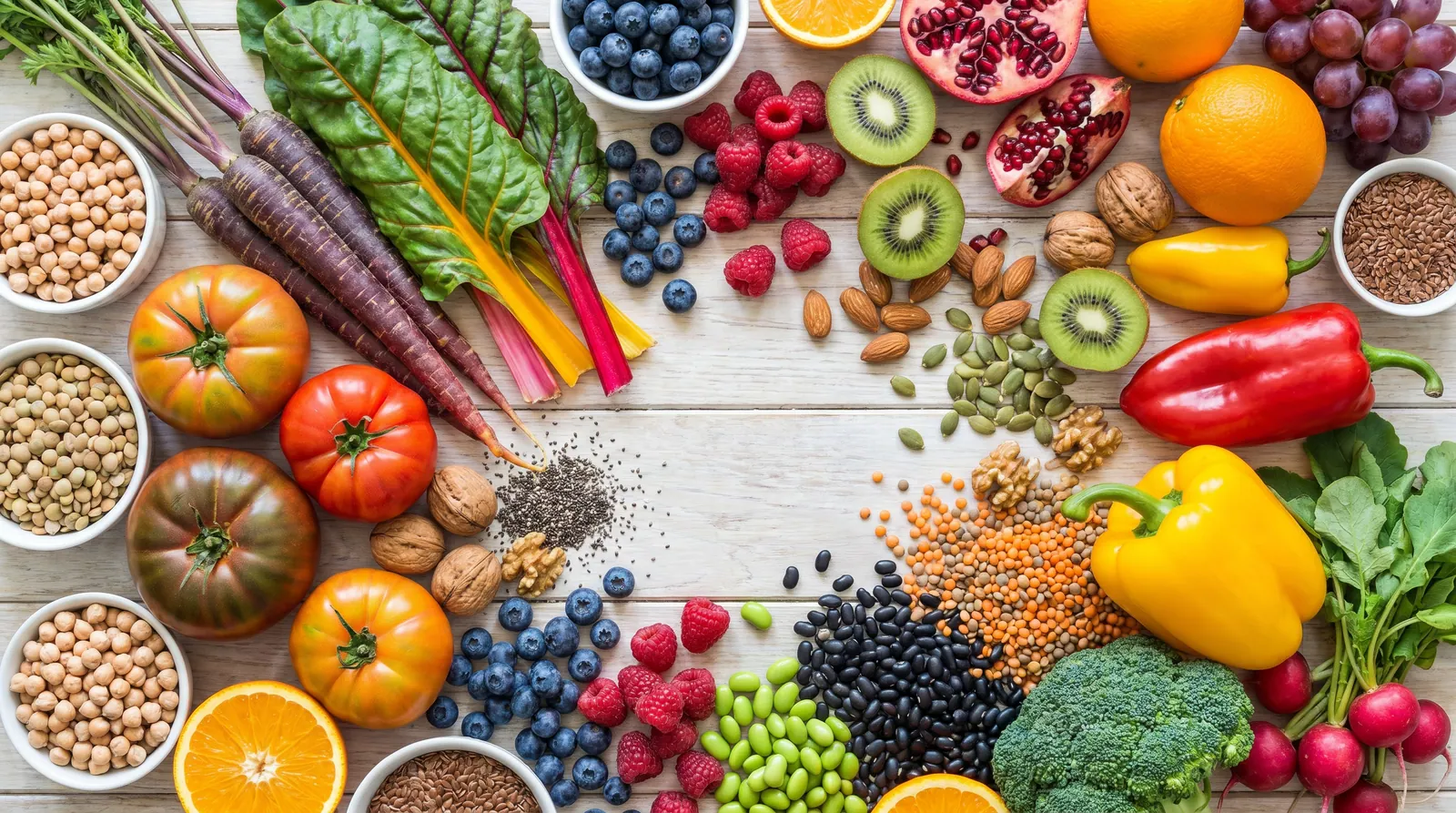
The most significant practical figure in gut health came from the American Gut Project, published in 2018. This is one of the largest microbiome studies, involving thousands of individuals across America, Britain, and Australia. Analyzing food questionnaire data, researchers found that those consuming more than thirty different plant types weekly had a statistically significant higher microbiome diversity compared to those consuming fewer than ten types, with an enrichment of SCFA-producing bacteria.
Interestingly, whether a person identified as vegetarian or non-vegetarian did not correlate with diversity; plant diversity itself is what matters, not the label. The application is straightforward: a 'type' includes vegetables, fruits, legumes, grains, nuts, seeds, herbs, and spices. Therefore, thyme, cumin, coriander, and black seeds all contribute to your weekly plant count and are easily incorporated into Saudi cuisine.
This is a relative, illustrative ranking to approximate the idea that each plant type counts towards diversity, not an absolute numerical value. The goal is broad weekly diversity.
The Gut-Brain Axis — How Your Food Creates Mood Molecules
The gut and brain are interconnected, exchanging signals via nerves, the immune system, and molecules produced by bacteria. Notably, most of the body's serotonin, a molecule linked to mood, is found in the digestive tract, not the brain, and is produced by the body from a food component called tryptophan.
Your gut bacteria participate in regulating this serotonin production, and the SCFAs they produce help protect the blood-brain barrier. Practically, this means supplying this axis with its raw materials: foods rich in tryptophan like yogurt, eggs, turkey, and seeds, along with fibers to nourish your bacteria. A balanced diet is part of caring for your mood, not just your brain.

Sugar and Ultra-Processed Foods — How They Weaken the Mucosal Barrier
Ultra-processed foods are not just 'empty calories'; they alter the gut environment itself. Reviews published explain that some industrial additives in these products, such as emulsifiers and stabilizers, degrade the protective mucus layer of the gut lining and disrupt the tight junctions between gut cells. This leads to reduced production of beneficial SCFAs and triggers a chronic, low-grade inflammatory state.
The result is a decrease in bacterial diversity, with a decline in beneficial species and an increase in inflammation-associated species. The simplest action you can take: read the ingredient list on the packaging. Numerous chemical names, emulsifiers, and sweeteners are a warning sign. Replace processed meals with foods as close to their natural state as possible; this is the most impactful action you can take for your gut health.
Antibiotics — A Necessary Weapon That Disrupts the Microbial City
Antibiotics save lives, but they don't distinguish between harmful and beneficial bacteria, thus disrupting the microbiome balance. This is a medical aspect, but the nutritional angle is what we can control: rebuilding the city after treatment. The American Gut Project data showed that individuals who had recently taken antibiotics had different microbial and metabolic profiles compared to others.
The nutritional approach after a course of antibiotics, without replacing your doctor's advice, involves reintroducing fermented foods containing live cultures like yogurt and kefir, along with diversifying prebiotics from garlic, onions, oats, and legumes to fuel the returning bacteria. The golden rule is not to take antibiotics without a prescription, and when you need them, make your plate rich in diverse plants and fermented foods afterward to speed up microbial recovery.
The Saudi Context — From a High-Fiber Diet to a Fiber Deficit
The Saudi diet has transformed in recent decades from a traditional, fiber-rich pattern to a Western, low-fiber pattern. A study on healthy Saudi women found that average fiber intake was only about 15 grams per day, falling short of the recommended 21-25 grams for women. Researchers linked this shift to reduced microbiome diversity.
Increased consumption of ultra-processed foods among Saudi adults has also been associated with weight gain and increased waist circumference. The good news is that addressing this deficit doesn't require exotic imported foods but rather a return to elements of our traditional cuisine: fava beans, lentils, chickpeas, whole grains, and vegetables. The Saudi nutritional treasure already exists in dishes like Jareesh, Harees, and Baleelah; the issue is reviving them, not inventing alternatives.
Ramadan — A Seasonal Opportunity to Reset the Microbiome
Intermittent Ramadan fasting may impact the microbiome, but evidence is still preliminary. A published study suggests that fasting may alter the microbiome's composition and diversity, though results vary between studies and remain preliminary; some recorded an increase in beneficial genera, while others saw a decrease.
However, the title of one study is explicit: 'Is the Diet Key?', implying that the benefit is contingent on what is consumed during Iftar. Practically, if Iftar is filled with fried foods and ultra-processed sweets, the positive effects will be lost. Make your Iftar consist of dates, laban, lentil soup, and vegetables, and include fermented foods and legumes for Suhoor; this way, Ramadan becomes a window for rebuilding your beneficial bacteria, not a burden on them.
Prebiotics and Probiotics — A Concise Table
This is a summary of the practical difference between the two categories and their sources present in our cuisine. Combining them is most beneficial for your microbial city:
| Aspect | Prebiotics (Bacteria Fuel) | Probiotics (Live Organisms) |
|---|---|---|
| Nature | Indigestible fibers, food for beneficial bacteria | Live bacteria ingested, temporarily joining the gut |
| Key Types | Inulin, FOS, GOS, Pectin | Lactobacillus, Bifidobacterium, Yeasts |
| Saudi Sources | Garlic, onions, bananas, oats, lentils, chickpeas | Live yogurt, laban, kefir, salt-fermented pickles |
| What to Note | Introduce gradually with adequate water to avoid gas | Avoid heat-sterilized products; look for 'live and active cultures' |
The practical rule is simple: feed your current residents with prebiotics, send new residents via probiotics, and diversify your plant intake for everyone to thrive.
Five Common Myths About Gut Health
Misinformation about the microbiome is widespread. Here are the most common myths and what the evidence says:
"All gut bacteria are harmful and must be eliminated."
"Probiotic supplements are more important than food."
"The more fiber, the better, especially if increased suddenly."
"Shelf-stable pasteurized yogurt is the same as live yogurt."
"Ultra-processed foods are just extra calories."
Red Flags Requiring Caution and Review
Gut health is an area prone to misleading marketing. These are signals that warrant skepticism, and some may require consulting a specialist:
- Quick promises of "gut repair in days" or "flushing out all toxins" — these lack scientific basis.
- A supplement claiming to cure anxiety or depression — the gut-brain axis is promising, but trials haven't proven a cure, and the claim exceeds the evidence.
- Sudden massive increases in fiber intake — this can cause bloating and gas; evidence supports gradual introduction.
- Promotion of colon cleansing or enemas to improve the microbiome — evidence does not support these, and they can harm the balance.
- Absolute numbers without sources about "bacterial counts" or cure rates — always ask for scientific attribution.
The presence of these signals doesn't always indicate bad faith, but it means the information may be exceeding the evidence and warrants caution.
Practical Tips to Apply to Your Plate Today
Here are tangible strategies that translate all the above into steps you can start with your next meal, without supplements or complexity:
- Make your plate colorful intentionally: Each new plant color on your plate counts towards your diversity score. Aim for at least three colors in each meal from vegetables, legumes, and grains; this is the easiest path to the 30-plant-a-week rule.
- Shop the perimeter of the store, not the center: Fresh produce, dairy, and legumes are usually on the edges, while the inner aisles are filled with ultra-processed foods. Read ingredient lists; numerous chemical names, emulsifiers, and sweeteners are a sign to leave the product.
- Cook, then chill to create gut fuel: Rice and potatoes, when cooked and then chilled in the refrigerator, form resistant starch that nourishes your beneficial bacteria. Cold leftover Kabsa is an opportunity, not a flaw.
- Establish a daily habit of live fermented food: A cup of live yogurt, laban, or a spoonful of salt-fermented pickles with your meal. When buying, look for 'live and active cultures' and avoid products heat-sterilized after fermentation, as they lose their bacteria.
- Increase fiber gradually, not all at once: Slowly add legumes and vegetables over weeks, and drink enough water with them; a sudden jump can cause bloating and gas. Give your gut time to adapt.
- A trick for busy times: Keep a can of cooked lentils or chickpeas and a sprinkle of herb and spice mix in your pantry. A quick bowl of chickpeas with cumin and thyme adds several plant types without long cooking.
- Make Ramadan a tuning window, not a burden: Start your Iftar with dates, laban, lentil soup, and vegetables instead of fried foods and ultra-processed sweets. Include fermented foods and legumes for Suhoor. This way, fasting supports your gut instead of overwhelming it.
- What to tell your doctor after antibiotics: Ask if it's safe for you to increase fermented foods and prebiotics during recovery. The golden rule is never to start or stop antibiotics on your own; they are prescription-only.
EEINA's 8-Week Gut Enrichment Protocol
A practical action plan combining the above into three progressive tiers. Start tier by tier, diversifying gradually to allow your microbiome to adapt.
The protocol is based on recommendations from Harvard, Monash University, the Stanford trial, and the American Gut Project.
Habits That Feed Bacteria
Four daily habits.
Gradually Expand Diversity
Towards the 30-plant rule.
Your Stable Pattern After 8 Weeks
A habit, not a temporary trend.
Golden Rule: The goal isn't a magic supplement, but a diverse plate that nourishes your microbial city every day. Diversity is food, and consistency is the medicine.
Frequently Asked Questions
How many plant types do I actually need per week?
What's the simple difference between prebiotics and probiotics?
Is regular Saudi yogurt sufficient as a probiotic?
Is fasting during Ramadan beneficial or harmful to gut bacteria?
How do I care for my gut after a course of antibiotics?
Start Your Next Step with EEINA
High-Diversity Meal Plans
Saudi recipes rich in fiber and fermented foods, building plant diversity that approaches the 30-plant rule.
Get Your Plan →Fermented & Legume Recipes
Saudi dishes combining prebiotics and probiotics, from lentil soup to yogurt and pickle-based meals.
Browse →EEINA App
A weekly plant-type counter, reminders for fermented foods and fiber, helping you enrich your microbiome consistently.
Download →