How Green Tea Works in the Body
Green tea has two active components attributed to its metabolic effects: catechins, most notably a substance known as EGCG, and caffeine. The proposed mechanism is that they might slightly reduce fat absorption and increase thermogenesis and fat oxidation for a few hours after consumption.
However, the crucial detail is that the effect appears to be synergistic rather than individual: caffeine alone, or with catechins, increases energy expenditure, while catechins alone often do not significantly raise resting metabolic rate. Practically speaking: don't expect the same effect from decaffeinated tea, and don't base your weight loss plan solely on this mechanism, as it's a minor touch, not a main engine.
Its Real Impact on Metabolism — A Small Number
This is where science diverges from hype. In a systematic review of energy expenditure studies, the combination of catechins and caffeine increased daily energy expenditure by about 4% in one study, equating to approximately 79 calories per day, with indications of increased fat oxidation.
However, the same review described the effects as mild and the data limited, noting that catechins alone did not raise resting metabolic rate in most studies. Put the number in context: 79 calories is roughly equivalent to a few dates, easily negated by a single biscuit. Practically speaking: green tea might offer a very small boost, but it won't create a weight difference on its own without diet and exercise.
Green Tea and Fat/Weight Loss
When we move from metabolism to the scale, the impact remains modest. The U.S. National Institutes of Health concluded that catechins and caffeine in green tea and its extracts may have a slight effect on body weight, varying by product composition and individual activity level.
The concrete number: green tea supplements reduced weight by only about 1 kg compared to placebo in published evidence. This is not magic fat burning, but a small difference that might disappear amidst normal daily weight fluctuations. Practically speaking: don't replace a meal with a cup of tea thinking it will burn the rest; make diet and exercise the foundation of your weight loss, and let tea be a pleasant, calorie-free companion.
Are You Relying on Tea Too Much? — Self-Check
This is a guiding self-assessment to reveal exaggerated expectations or habits that might diminish tea's benefits or cause harm. It does not replace medical consultation. Select what applies to you:
Its Caffeine vs. Coffee
Many assume green tea is a strong stimulant, but its caffeine content is clearly lower than coffee. A cup of green tea contains about 25-29 mg of caffeine, according to Mayo Clinic, while a cup of coffee contains about 95-165 mg – several times more.
Practically, this makes green tea a gentler option for those seeking a mild energy boost without the jitters or palpitations associated with coffee. However, the flip side is that lower caffeine means a smaller metabolic boost from this component. The general rule remains that about 400 mg of caffeine per day is a reasonable limit for most adults from all sources combined, so pace your cups and avoid them in the evening.
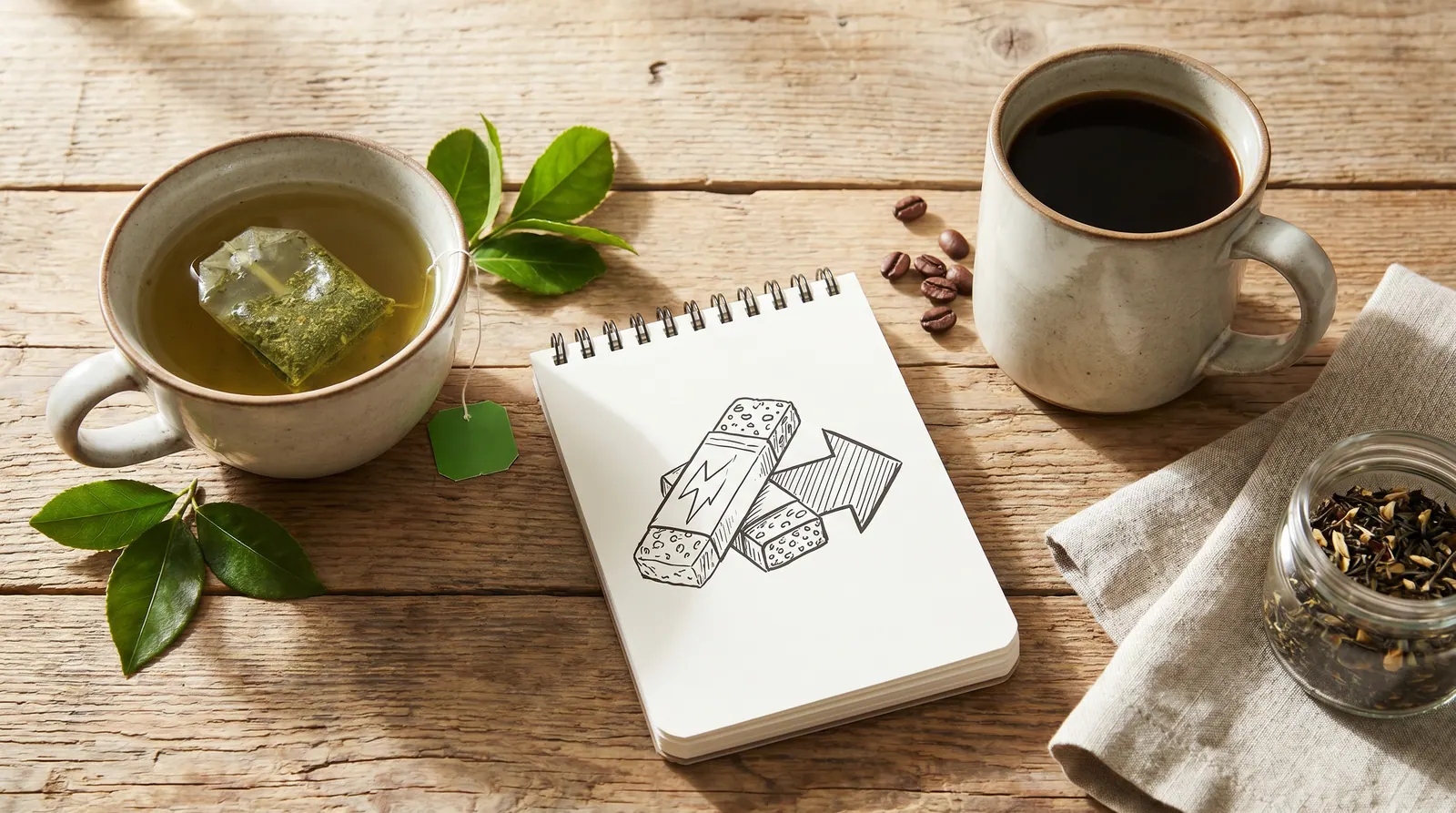
Its Cardiovascular Benefits — Encouraging Observational Evidence
Here lies green tea's most interesting benefit, but interpretation requires caution. Cohort studies have linked moderate consumption with a reduced risk of heart disease. For example, a meta-analysis of cohort studies found a dose-dependent inverse association between green tea consumption and the risk of coronary heart disease, most pronounced at low to moderate intake.
However, the keyword is "observational": these are associations, not proof that tea is the cause, and lifestyle factors of drinkers may play a role. The health source reminds us that results are not consistent across populations, with the association appearing more in Asian than Western communities. Practically: drink tea as a pleasant habit within a balanced diet, not as a substitute for heart protection.
Tea and Hydration
One of its simple, real benefits is that it's a calorie-free liquid contributing to your daily hydration. Although it contains mild caffeine, which can be a diuretic, moderate amounts do not cause dehydration, and its net contribution to daily fluid intake remains positive.
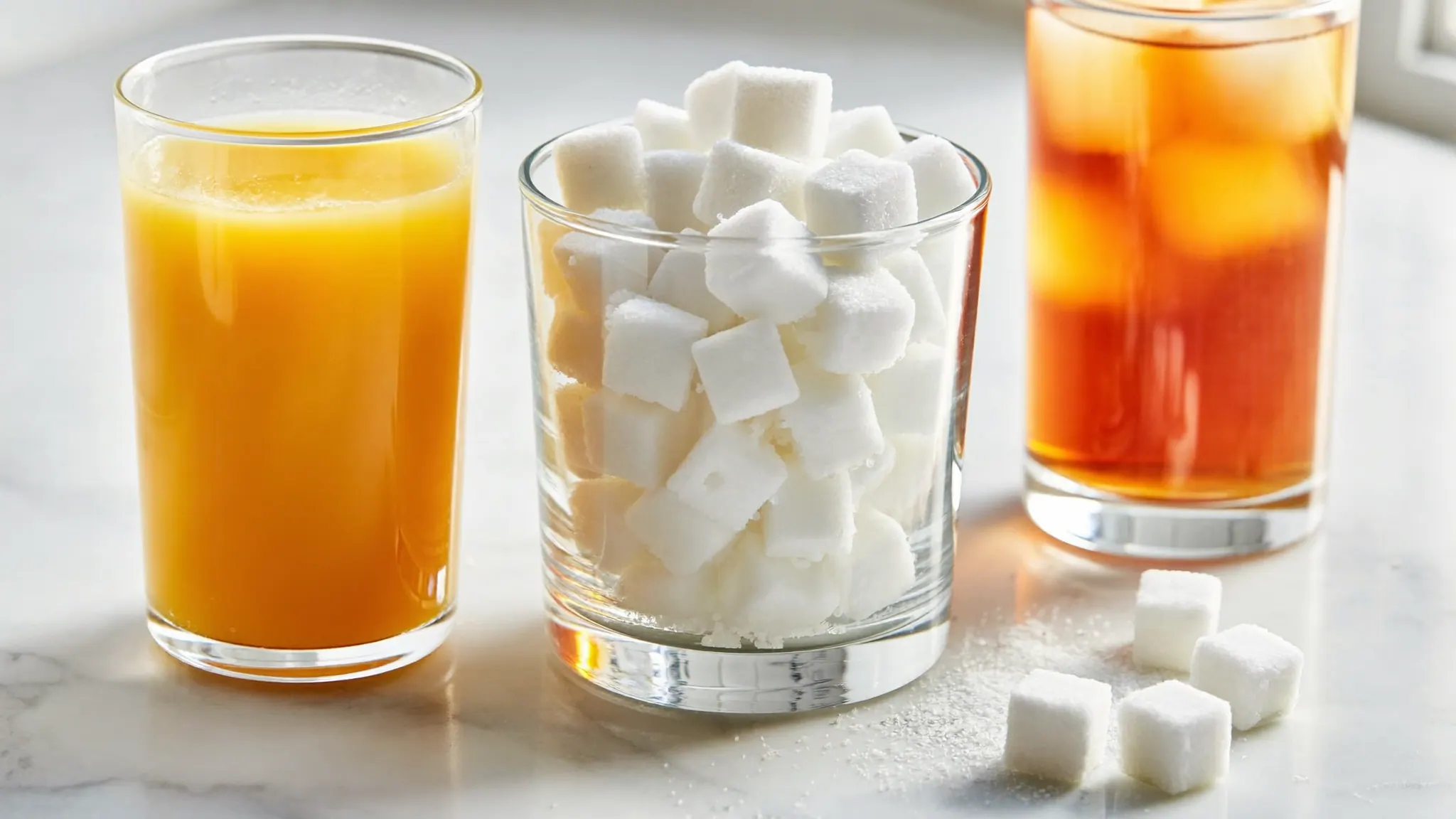
Practically: if you replace sweetened beverages or juices with green tea, it's a double win – hydration without added sugar. But don't add sugar or sweetened milk that negates its advantage; let it be an addition to water, not a complete replacement. Water remains the basis of your hydration, and tea is a pleasant variation.
Timing Your Drink and Iron Absorption
This is an important practical detail many overlook: tea catechins bind to non-heme iron, the iron from plant sources, reducing its absorption. In a controlled study, about 150 mg of EGCG reduced non-heme iron absorption by about 14%, and 300 mg by about 27% compared to placebo.
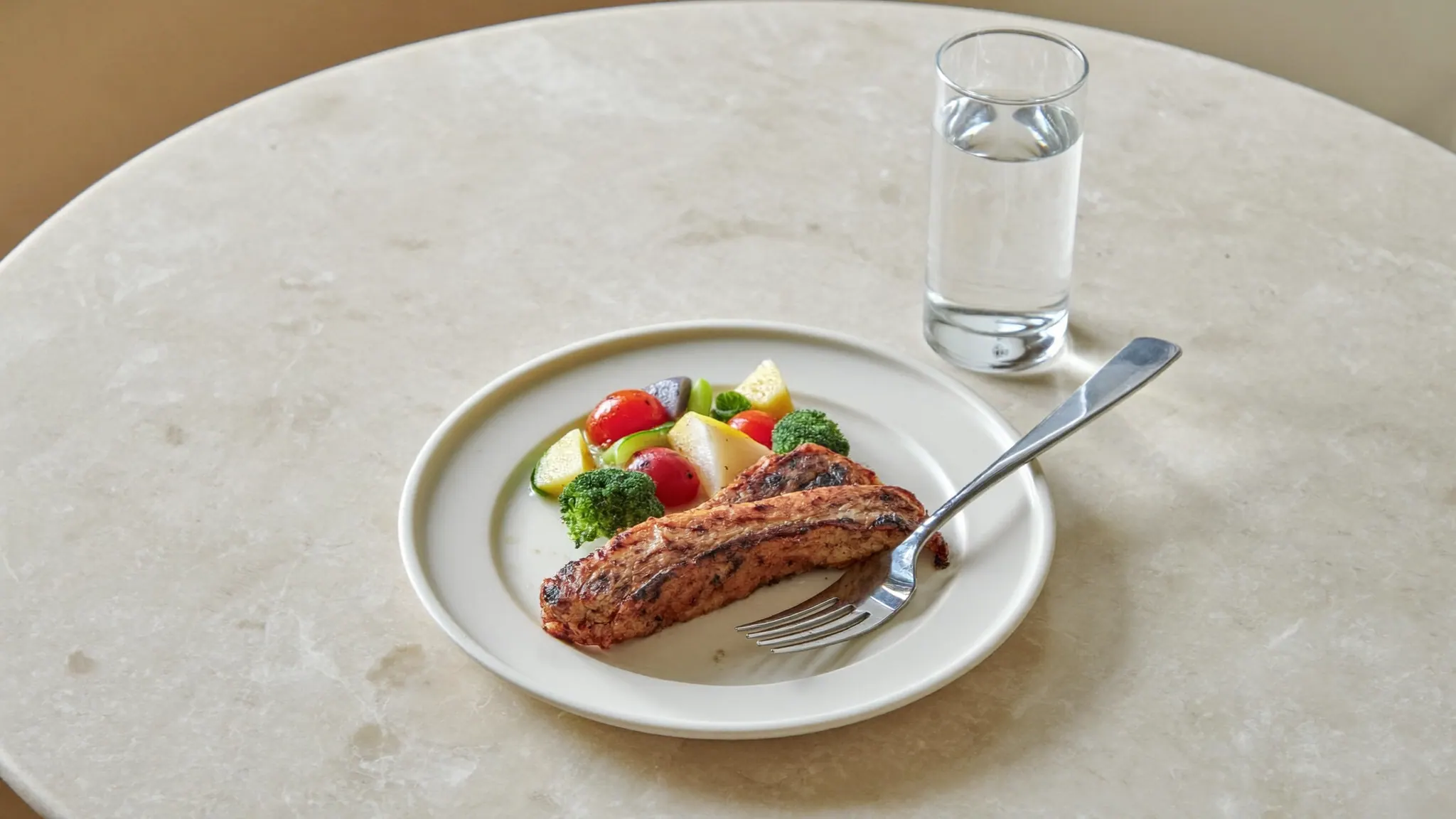
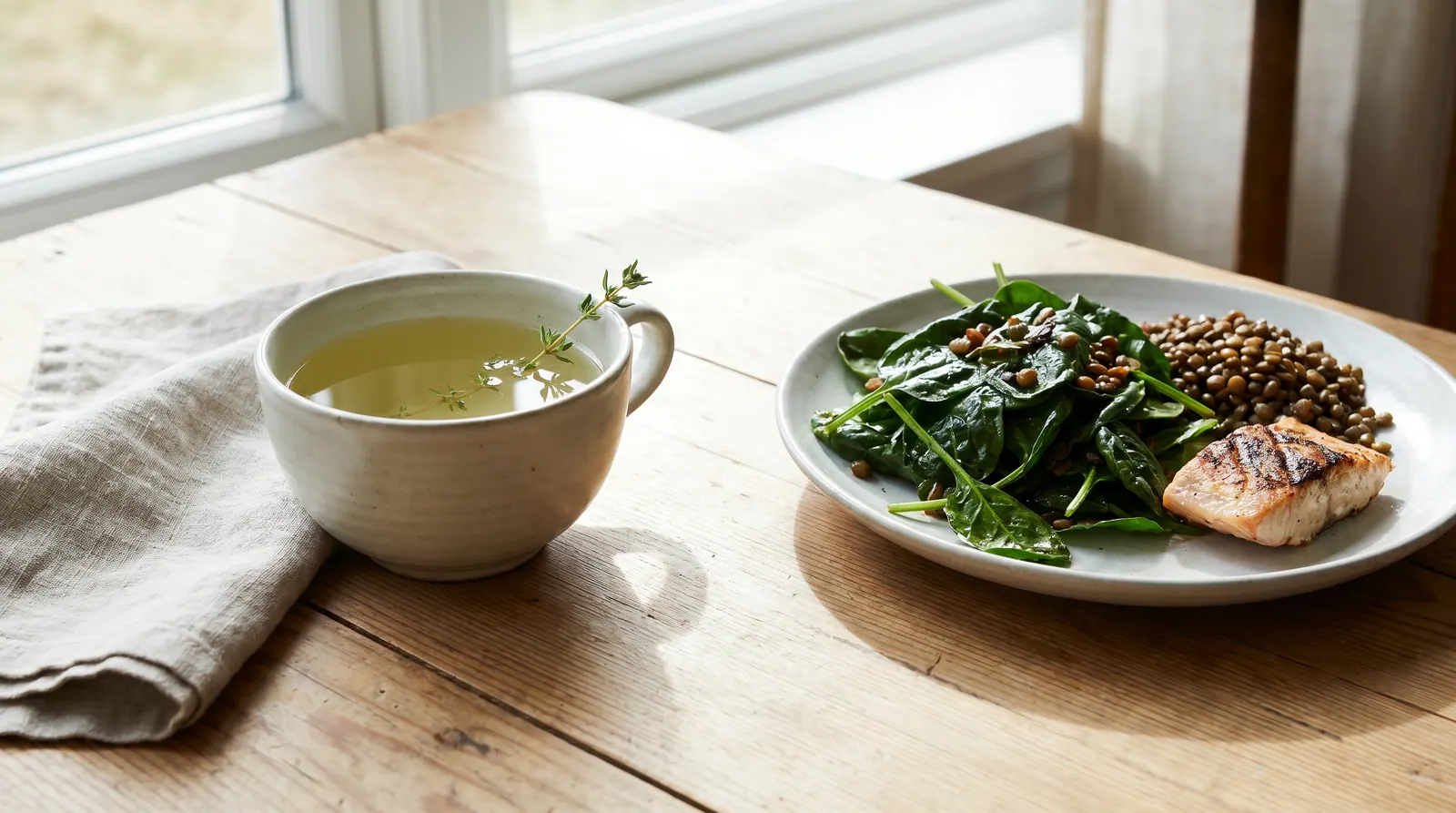
The good news is the solution is simple and doesn't require abandoning tea: drink it between meals, not with them. Separating tea from an iron-rich meal mitigates its inhibitory effect on iron absorption. Practically: if your meal includes lentils, spinach, or beans, delay your cup of tea slightly. This is particularly important for those with iron deficiency or anemia.
Warning on Concentrated Extracts — The Liver
Here lies the most critical warning, and the difference between brewed tea and concentrated extract is fundamental. Brewed tea is generally safe, but concentrated extracts in capsules are another story. The European Food Safety Authority concluded that EGCG doses of 800 mg or more daily from supplements may be associated with early signs of liver damage, while no harm was observed below this dose in reviewed clinical studies.
The health source emphasizes that liver injuries, though rare, have been reported in some individuals using green tea products, particularly extracts in pills or capsules, not the usual beverage. Practically: do not buy fat-burning capsules based on green tea extract without consulting a doctor or pharmacist, and stop immediately if you notice any signs like jaundice, abdominal pain, or dark urine. The regular cup of tea is not the risk; concentrated doses are.
Your Saudi Cup — Where It Fits and Where It Doesn't
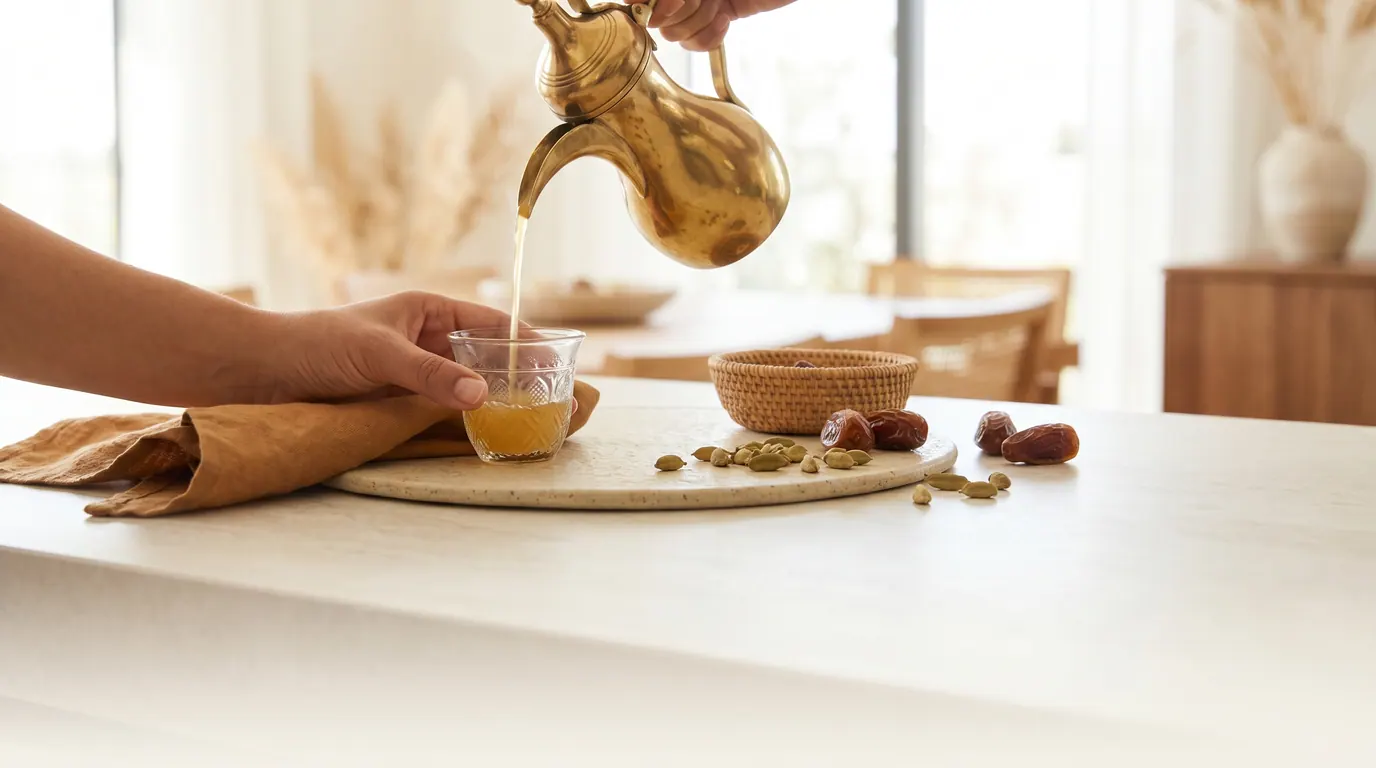
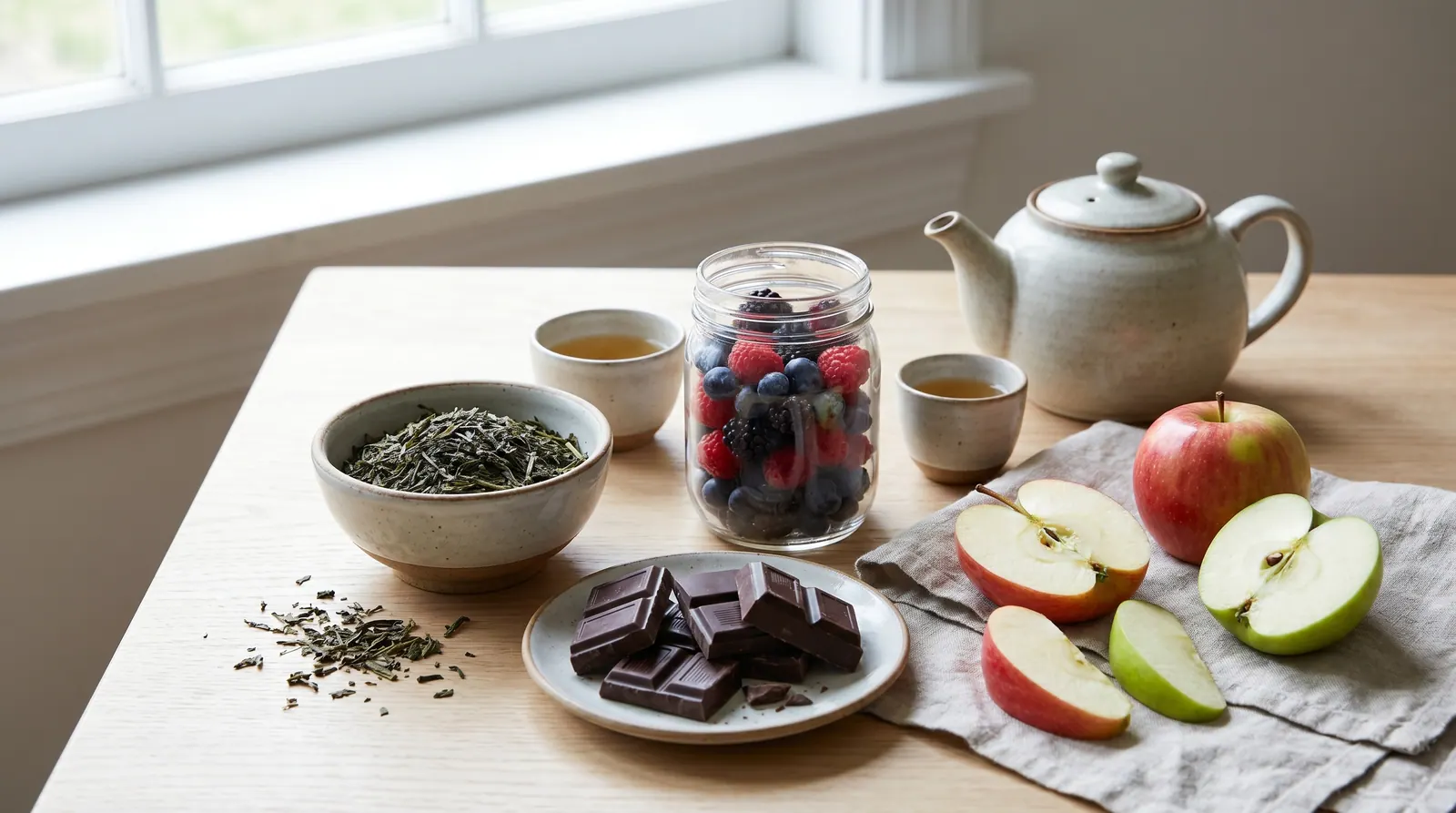
Tea is a staple in our hospitality and social gatherings. Green tea is a pleasant, calorie-free variation that can replace sweetened beverages. Its most genuine benefit in our context is as an alternative to packaged juices and sodas during gatherings, not as a fat burner added on top of an already heavy diet.
The practical message: make green tea a habit you drink for its own sake, not a magic solution you rely on. Be mindful of two common habits here: excessive sugar, which negates its calorie-free status, and drinking it with iron-rich meals like lentils and spinach. Keep it plain or lightly sweetened, and drink it between meals to enjoy its benefits without the drawbacks.
What Science Actually Says
To summarize: the combination of catechins and caffeine may slightly increase energy expenditure, by about 4% in one study, but the review described the effect as mild with limited data, and catechins alone often have no significant effect on resting metabolic rate.
On the scale, the difference is only about 1 kg compared to placebo, described as a minor effect. Cardiovascular benefits are encouraging observational associations, not conclusive proof, and inconsistent across populations. The practical conclusion: don't expect significant weight loss from a cup of tea, and don't fear the usual beverage, but beware of concentrated extracts that can harm the liver. Treat green tea as a pleasant, supportive habit, not a proven weight-loss solution.
Five Common Myths About Green Tea
Half-truths promising more than green tea delivers are common. Here are the most prevalent, and what the evidence says:
"Green tea is a fat burner that melts weight."
"It significantly boosts metabolism, burning calories all day."
"Concentrated green tea extract capsules are completely safe because they are natural."
"Drink it with every meal; more is better."
"Studies have proven it protects the heart."
Practical Tips to Implement Today
Before you get to the full protocol, here are small guidelines from the core of the above, helping you take the best of green tea and avoid its pitfalls:
- Drink it as a replacement, not an addition. Let it substitute sweetened beverages or packaged juices, not a drink you add on top of a sugar-laden diet.
- Don't build a weight loss plan around it. Its effect on weight is about 1 kg, so make diet and exercise the foundation of your loss, with tea as a pleasant companion.
- Drink it between meals. Delay it about an hour after iron-rich meals like lentils, spinach, and beans to reduce its impact on your iron absorption.
- Keep it plain or lightly sweetened. Excessive sugar negates its best feature: being calorie-free.
- Distribute your caffeine intake. Its caffeine is milder than coffee, but avoid it in the evening to prevent sleep disruption, and aim for a total of about 400 mg of caffeine daily from all sources.
- Beware of concentrated capsules. Do not purchase fat-burning green tea extract capsules without medical advice, as high doses can harm the liver.
- If you have iron deficiency, pay extra attention. Separate tea from your meals and iron supplements, and consult your doctor about timing.
- Drink it for enjoyment and hydration. Green tea's most realistic benefit is a pleasant, calorie-free cup that hydrates you, so enjoy it on that basis.
EEINA's Protocol for a Cup of Green Tea with Honest Expectations
An actionable plan combining the above into three progressive layers. Adopt them step by step, treating tea as a supportive habit, not a magic solution.
The protocol is based on metabolic and weight evidence, safety guidelines, and practical timing details.
Adjust Your Expectations
Before your first cup.
Drink It Smartly
Habits that maximize its benefits.
Protect Your Liver and Iron
Before any extract.
Golden Rule: The goal isn't a cup that burns your weight, but a pleasant, calorie-free habit that supports a balanced diet and activity. Concentrated extract offers no proven additional benefit and carries risks, so let the brewed cup suffice.
Frequently Asked Questions
Does green tea actually burn fat?
How much does green tea boost metabolism?
Does green tea reduce iron absorption?
Is green tea extract safe?
Is green tea beneficial for the heart?
When to Consult a Doctor — Red Flags
Regular green tea is safe for most people, but certain conditions and symptoms warrant immediate medical evaluation:
- Yellowing of the eyes or skin, dark urine, or persistent abdominal pain after using a concentrated green tea extract, which could be a sign of liver strain.
- Severe fatigue or unexplained nausea while using fat-burning capsules based on green tea.
- Known anemia or iron deficiency: Consult your doctor about the timing of tea consumption relative to your meals and iron supplements.
- Palpitations, anxiety, or insomnia from excessive caffeine, especially if combined with coffee and energy drinks on the same day.
- Pregnancy, breastfeeding, or chronic medication before taking any supplement or concentrated green tea extract.
- Reliance on tea instead of prescribed medication for a heart condition or weight issue; tea is a supportive factor, not a substitute for medical care.
Start Your Next Step with EEINA
Balanced Meal Plans for Weight Management
Saudi recipes that build weight loss on the plate and movement, with green tea as a pleasant companion, not the sole solution.
Get Your Plan →Sugar-Free Beverages
Ideas for pleasant alternatives to sweetened drinks, from green tea to herbal infusions.
Try Them →EEINA App
Track your calories, drinks, and iron intake daily, and get reminders for timing your tea away from meals.
Download →