Why Your Intake Halves — The Appetite Suppression Mechanism
GLP-1 medications like semaglutide and tirzepatide mimic a natural gut hormone released after eating, which slows gastric emptying and sends satiety signals to the brain. The result is feeling full quickly and staying full longer, with studies observing a significant reduction in energy intake. While this is the medication's benefit for weight loss, it's also the source of nutritional risk: when food intake drops this much, protein, vitamins, and minerals also decrease, not just fat and sugar.
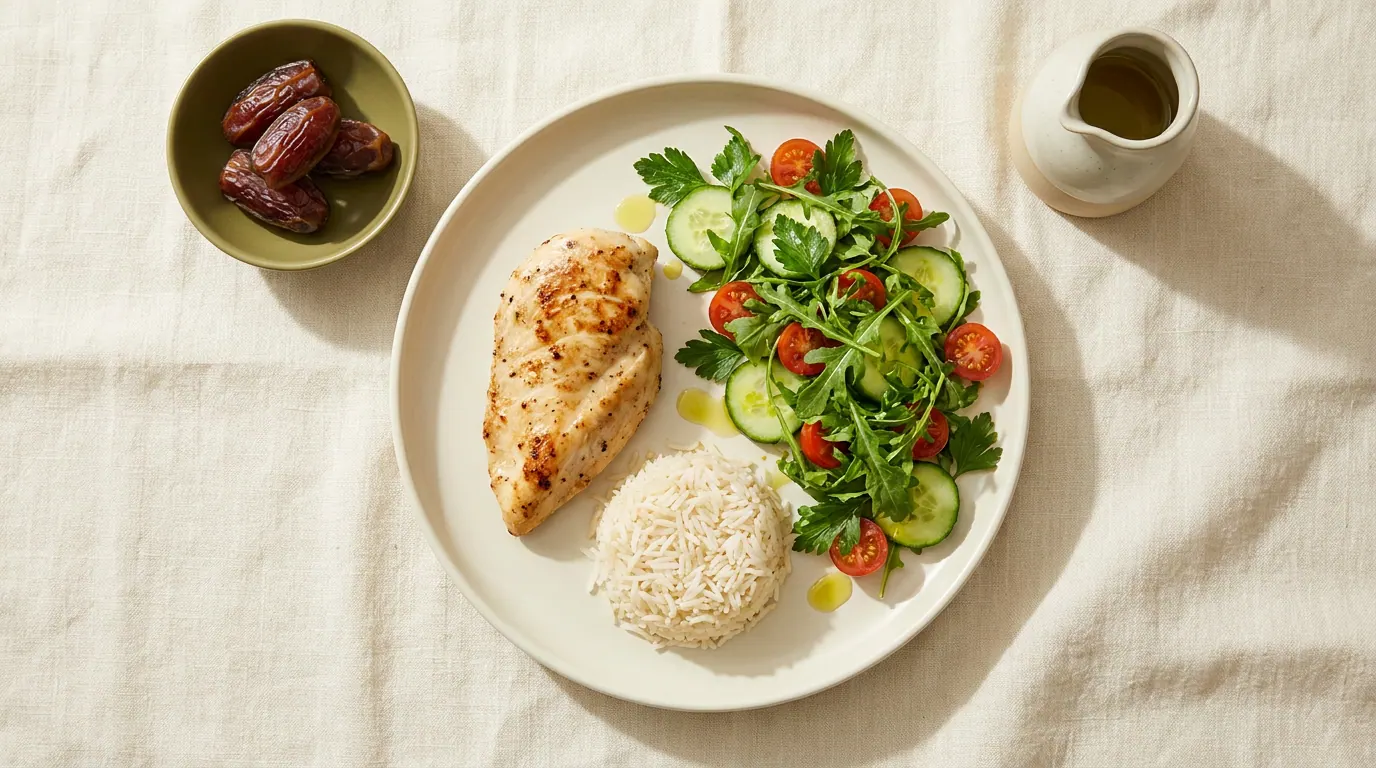
Practically, you must treat every bite as a limited opportunity. Since your stomach capacity is smaller, prioritize protein and nutrient-rich vegetables on your plate before carbohydrates and fats, ensuring you don't fill up on nutrient-poor food before getting what your body truly needs.
Medication's Prevalence in Saudi Arabia — A Digital Reality
This phenomenon isn't just imported from Western media; it has a documented Saudi presence. A study of 1,264 adults with overweight and obesity in the Eastern Province found that 18.2% had previously used GLP-1 medications, and 14.2% were using them at the time of the study, with injectable semaglutide (Ozempic) being the most used at 73.9%. Notably, 36.5% started the medication on their own decision, raising concerns about unsupervised use. Consequently, the Saudi Ministry of Health launched regulatory efforts in August 2025 to monitor adherence to medical prescriptions.
The nutritional message here is twofold: the medication's prevalence is high, but the accompanying nutritional aspect is often neglected, especially for those starting independently without a nutritionist's guidance, missing the opportunity to protect their muscle and nourish their body correctly.
Is Your Nutrition on Medication Needing Attention? — Self-Assessment
This is a guiding nutritional assessment, not a diagnosis, and does not replace follow-up with your doctor and nutritionist. Select what applies to your habits while using the medication:
Why You Lose Muscle, Not Just Fat
When your food intake suddenly decreases, your body doesn't just draw energy from fat; it also breaks down some of your muscle. This is precisely what has been observed with the medication: in the STEP 1 study, users lost about one-seventh of their weight over more than a year, and a significant portion of this loss was muscle, not fat. The general rule is that muscle can account for approximately one-fifth or more of lost weight when you reduce calories without protection, and women often lose less muscle than men. The practical message: the scale goes down, but what's going down might be beneficial muscle, not just excess fat, unless you intervene.
Muscle loss isn't just cosmetic: muscle is the metabolic engine that burns calories and regulates blood sugar. Losing it slows metabolism and increases the risk of weight regain later. Therefore, protecting muscle is not a luxury but a cornerstone of the entire journey's success.
Adequate Protein — How Much Exactly and Why
The primary shield against muscle loss is protein, and your need for it is now greater than usual because your intake is lower. Guidelines for users of these medications raise the target to 1 to 1.5 grams of protein per kilogram of ideal body weight daily, meaning about 80 to 120 grams for someone with a target weight of 80 kilograms. Simply put, protein is what convinces your body to preserve its muscle instead of consuming it while you eat less.
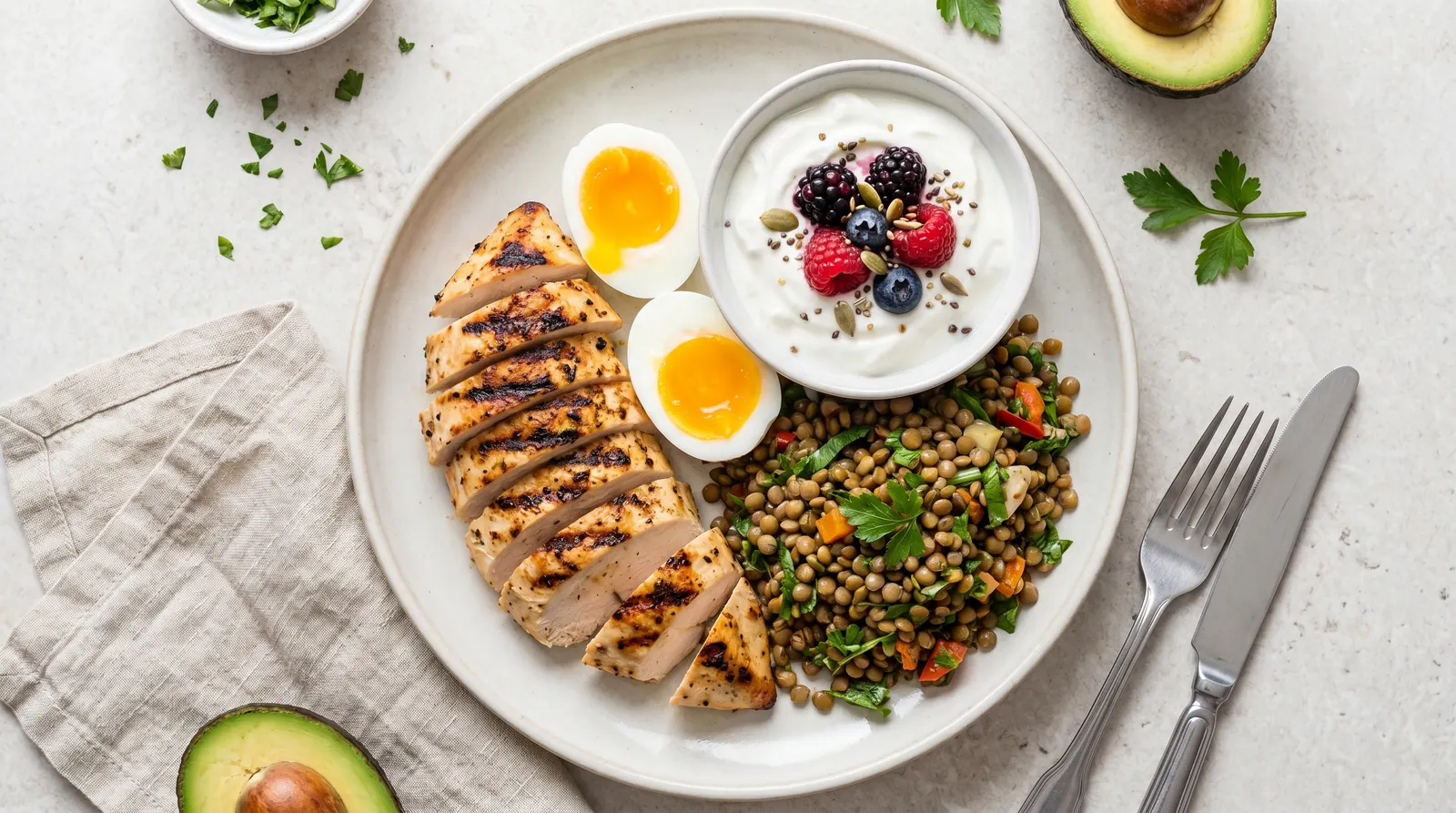
However, protein alone isn't enough: reviews confirm that without regular resistance training, it remains insufficient to preserve muscle. Practically, start every meal with protein (eggs, chicken, fish, dairy, lentils) because your stomach capacity is now smaller, ensuring it reaches you first before you feel full.
Distributing Protein Throughout the Day, Not Stacking It
It's not just the amount of protein that matters, but also its distribution. Muscle building is stimulated by adequate protein intake at each meal, not by one massive meal with the rest of the day being deficient. The recommendation is to get 20 to 30 grams of protein per meal for efficient muscle building stimulation, and older adults may need 30 to 40 grams because their anabolic response is weaker.
This challenge is amplified with the medication: when you only eat two small meals because you're not hungry, you might never reach your daily protein target. The solution is to distribute protein across three or more small meals, incorporating concentrated, stomach-friendly sources like Greek yogurt, labneh, and eggs between meals to accumulate sufficient doses despite reduced appetite.
Resistance Training — The Indispensable Partner
Protein provides the building material, but resistance training is the signal that tells the body to preserve muscle rather than break it down. Reviews are clear: increasing protein alone is likely insufficient to preserve muscle mass in the absence of structured resistance training. The practical recommendation is resistance training two to three times a week, consuming 20 to 30 grams of protein within a few hours post-exercise to enhance muscle recovery and adaptation.
A costly gym isn't necessary: bodyweight exercises (squats, push-ups, lunges), resistance bands, and light weights at home are sufficient to start. The idea is to give your muscles a reason to stay while your weight decreases, so that what you lose is fat as much as possible, not muscle.

Hidden Malnutrition and Vitamin Deficiencies
As food intake shrinks, vitamin and mineral intake silently declines. In a large study of users of these medications, about one in five developed nutritional deficiencies within a year, with vitamin D deficiency being the most common, followed by anemia and B vitamin deficiencies. The problem is that this deficiency doesn't show obvious signs initially but gradually manifests as fatigue and weakness, which users blame on themselves without linking it to their diet.
Practically, because calories are low, food must be nutrient-dense; choose whole, rich foods (eggs, fish, legumes, colorful vegetables, dairy) over empty calories, and discuss vitamin D, B12, and iron checks with your doctor, especially given the prevalence of vitamin D deficiency in Saudi society.
Nausea — How Food Choices Can Alleviate It
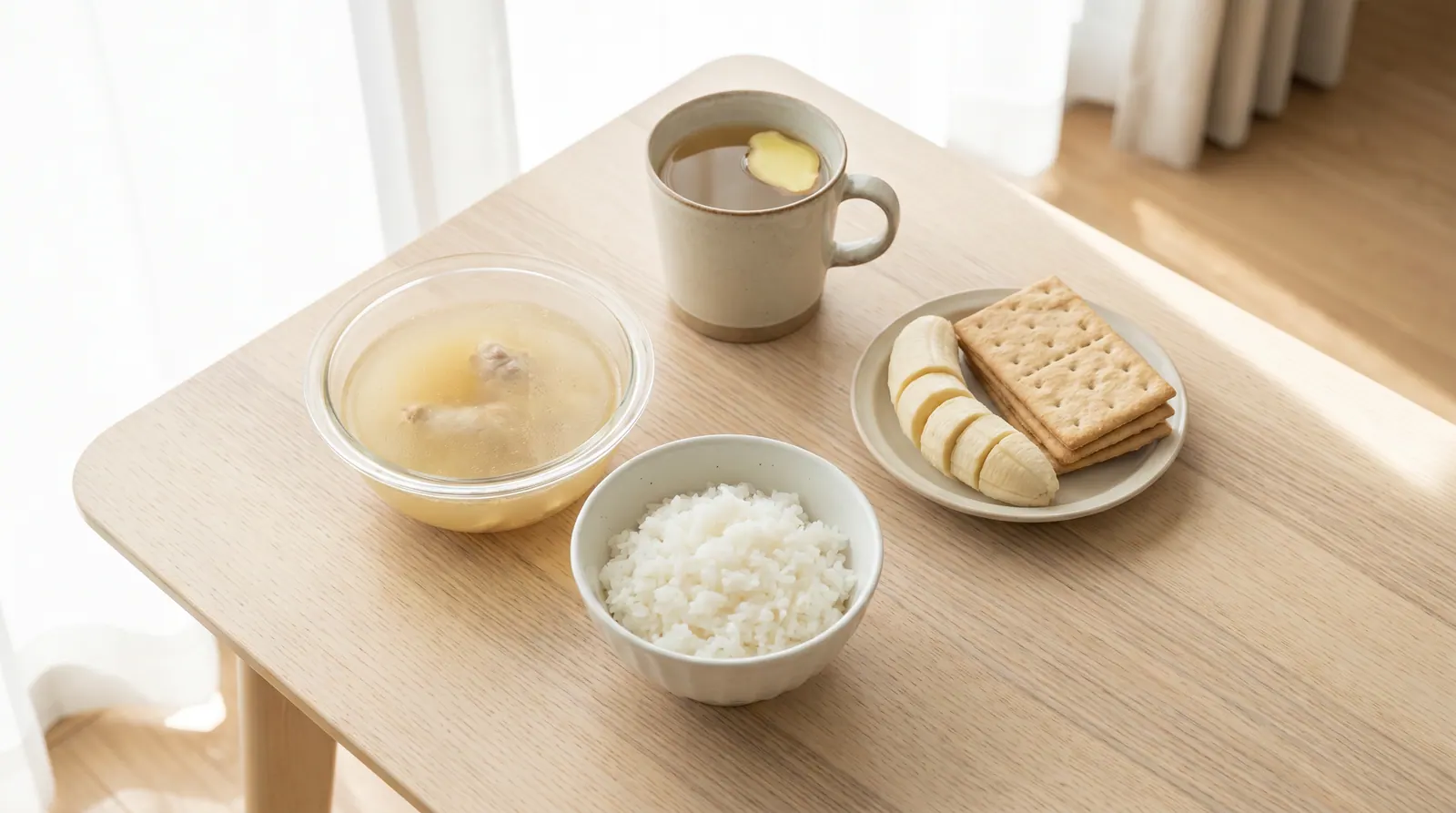
Nausea is one of the most common side effects, often appearing at the beginning of treatment and with dose increases because the stomach empties slowly, leaving food in it for longer. Here, food plays a real role in relief: fats further slow the stomach beyond the medication's effect, so avoiding fried and fatty foods directly reduces nausea. Foods that are gentle on the stomach are better tolerated: oatmeal, yogurt, eggs, bananas, soups, and steamed vegetables.
When nausea is severe, a temporary shift to a bland, low-fiber diet including chicken breast, egg whites, white fish, bananas, unsweetened applesauce, and toast can be beneficial. Eating five or six small meals instead of three large ones prevents excessive stomach fullness that can trigger nausea.
Hydration — Your Thirst May Be Diminished, But Your Need Hasn't Changed
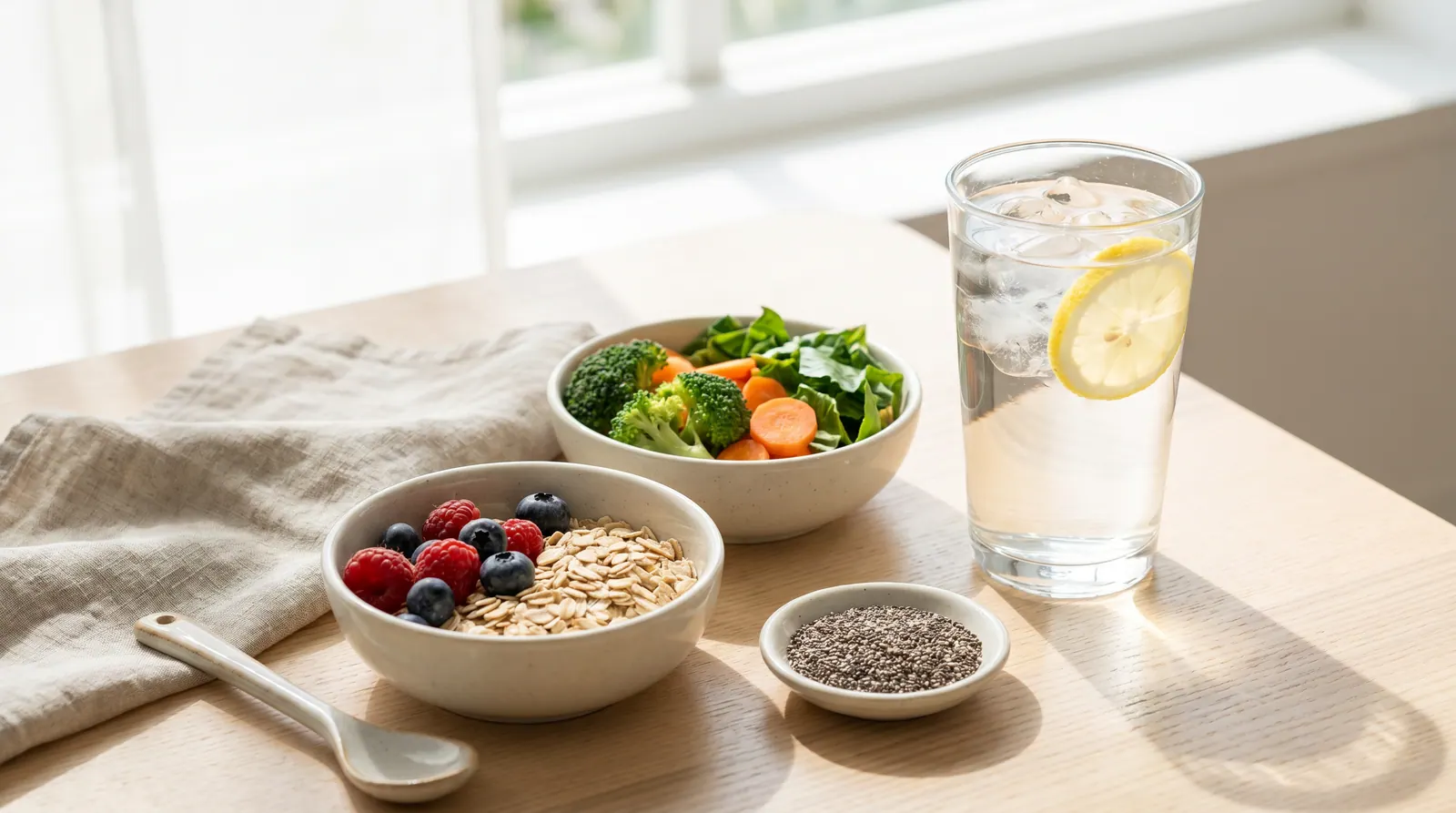
Ironically, the medication may weaken thirst signals, leading people to drink less without noticing, while their need for water remains the same or increases. Dehydration exacerbates constipation and increases fatigue and headaches. The recommendation is to drink about 2 to 3 liters of water daily unless your doctor advises otherwise. Since the sensation of thirst is unreliable now, make drinking a scheduled habit, not a response to thirst: a glass with each meal and between meals, and always keep a water bottle handy.
In the Saudi context, summer heat increases the need, and during Ramadan, intake is concentrated in the hours between sunset and sunrise. It's advisable to distribute water intake in small amounts during those hours rather than all at once. These are general hydration principles, not a medical protocol, and any dietary adjustments during fasting with appetite suppression should be discussed with your doctor.
Fiber and Constipation — Gradual Increase with Water
Constipation is a common side effect, caused by slowed intestinal transit, giving the colon more time to absorb water, making stool harder and more difficult to pass. Fiber is the direct nutritional solution: the recommended daily intake is 25 to 30 grams from sources like legumes, lentils, vegetables, fruits, and whole grains.
However, there's an important caution: fiber should be increased gradually and with adequate water, as adding it all at once without sufficient fluids can worsen bloating and constipation instead of alleviating them. Also, consuming large amounts of cruciferous vegetables and legumes might increase bloating when gastric emptying is already slow. Therefore, gradual introduction, moderation, and sufficient water are key, along with simple daily physical activity like walking to stimulate the bowels.
What Happens After Discontinuing Medication — Weight Regain and Nutrition
The aspect many overlook: discontinuation. In the STEP 1 extension study, after stopping semaglutide, participants regained about two-thirds of their lost weight within a year. The reason is that the medication artificially suppresses appetite; when it wears off, hunger returns, and old habits may resurface.
This is where the value of the entire nutritional perspective becomes apparent: the habits you built during treatment (sufficient protein, resistance training, nutrient-dense foods, regular meals) are what determine your fate after stopping. Those who relied solely on the medication without changing their lifestyle often regain weight, while those who established real habits maintain a larger portion of their gains and protect the muscle they built.
Building a Smart Plate with a Small Stomach Capacity
All the above converges into one plate rule: because your capacity is small now, prioritize. Start with protein (a quarter to a third of the plate: chicken, fish, dairy, eggs, lentils), then nutrient-rich vegetables and fiber, followed by moderate whole grains, while reducing added fats that slow digestion and trigger nausea. Eat slowly, chew thoroughly, and stop at the first sign of fullness to avoid discomfort.
In the Saudi context, local dishes can be adapted: light lentil stew instead of fried options, a bland soup before the meal, labneh or yogurt as an easy protein source, and reduced use of ghee and heavy rice. The goal is not deprivation but nutrient density: in every limited bite, maximize protein and vitamins and minimize empty calories.
Illustrative priority ranking based on the above recommendations for muscle protection and nutrient density, not absolute portion sizes.
| Nutritional Goal | Recommended Amount | Practical Saudi Sources |
|---|---|---|
| Daily Protein | 1 to 1.5g per kg of ideal weight | Chicken, fish, eggs, labneh & yogurt, lentils |
| Protein per Meal | 20 to 30 grams | Distribute across 3+ small meals |
| Water | 2 to 3 liters daily | A glass with each meal and between meals, on a schedule, not by thirst |
| Fiber | 25 to 30 grams gradually | Lentils, vegetables, fruits, whole grains |
| Resistance Training | 2 to 3 times weekly | Bodyweight, resistance bands, home weights |
| Added Fats & Fried Foods | Minimize as much as possible | Slows stomach emptying and triggers nausea |
Five Common Myths About Weight Loss Medications
Half-truths circulate around these medications, causing users to miss opportunities to protect their muscle and nourish their bodies. Here are the most common ones, and what the guide says:
"Since the medication causes weight loss, I don't need to pay attention to my diet."
"All the weight I lose on Ozempic is fat."
"Eating less is always better as long as I'm losing weight."
"Protein alone is enough to preserve my muscle."
"If I stop the medication, I'll automatically maintain my weight."
Practical Tips You Can Implement Today
Before we consolidate everything into a protocol, here are small tricks that make a big difference, drawn from the above and applicable from your next meal:
- Start every plate with protein: Your stomach fills up quickly now, so make sure to eat chicken, fish, eggs, lentils, or dairy first, before rice or bread, so your body gets its needs met before you feel full.
- Shop with a ready-to-eat protein list: Stock your fridge with easy sources that don't require long cooking (Greek yogurt, labneh, eggs, canned tuna, low-fat cheese) to cover any incomplete meals.
- Distribute protein throughout the day: Instead of one large meal, aim for 20 to 30 grams in each small meal, and include a protein snack between meals to reach your target despite reduced appetite.
- The busy-day trick: When you don't have time to cook, keep quick, ready-to-eat alternatives handy (a cup of labneh, a boiled egg, a handful of nuts) so no day goes by without sufficient protein.
- Drink water on a schedule, not by thirst: Your thirst sensation has diminished with the medication, so make drinking a glass of water a habit with each meal and between them, and carry a bottle with you always to prevent constipation and fatigue.
- Increase fiber gradually with water: Add lentils, vegetables, and fruits gradually with sufficient water, as adding them all at once without fluids can worsen bloating and constipation instead of alleviating them.
- For nausea, try bland foods: Temporarily avoid fried and fatty foods, and switch to oatmeal, yogurt, bananas, soup, and chicken breast, eating five small meals instead of three large ones.
- Ask your doctor to check your vitamins: Tell them frankly that you are on GLP-1 medication and your intake has decreased, and request checks for vitamin D, B12, and iron, especially given the prevalence of vitamin D deficiency in Saudi Arabia.
EEINA's Nutritional Protocol on Medication
A practical plan that combines the above into three progressive layers, purely from a nutritional perspective, while the medication remains under your doctor's supervision. Start layer by layer, and log your food and symptoms to understand what works for you.
The protocol is based on GLP-1 user nutrition association guidelines and the above muscle protection and hydration recommendations.
Protect Your Muscle and Nourish Your Body
Four habits every day.
Move Your Muscles and Manage Symptoms
Cornerstones to protect your results.
Habits That Last After Medication
Results that endure, not disappear.
Golden Rule: Medication causes weight loss, but your eating habits determine whether you lose fat or muscle, and whether your results last after its effects wear off.
When to See a Doctor — Red Flags
Most of the following relate to medication management and its side effects, which are purely medical decisions. Consult your doctor without delay if:
- You start or stop the medication on your own decision without medical supervision, as this is a strictly medical decision between the patient and their doctor.
- Very rapid weight loss with significant muscle weakness and severe fatigue, which may indicate muscle loss and nutritional deficiency.
- Persistent nausea or vomiting preventing eating and drinking for days, with a risk of dehydration.
- Severe constipation not improving with water and fiber, or sharp abdominal pain.
- Clear deficiency symptoms (severe fatigue, numbness, paleness, hair loss) that may indicate B12, D, or iron deficiency; request a blood test.
- Purchasing medication from unauthorized sources or social media ads without a prescription.
The presence of any of these signs means the issue goes beyond nutrition and requires immediate medical evaluation.
Frequently Asked Questions
How much protein do I need daily while on Ozempic?
How can I alleviate nausea with food?
Why am I losing muscle and not just fat?
Will I regain weight if I stop the medication?
Do I need vitamin supplements?
Start Your Next Step with EEINA
High-Protein Meal Plans
Nutrient-dense Saudi recipes that start every meal with protein, designed for smaller stomach capacity to protect your muscle.
Get Your Plan →Modify Your Favorite Recipes
Adapt your favorite Saudi dishes into higher-protein, lower-fat versions that are gentler on the stomach and more nutrient-dense.
Try It →EEINA App
Calculates your daily protein, distributes it across your meals, and reminds you about water and fiber, providing reports for your doctor.
Download →