The Secret of Allicin in Garlic
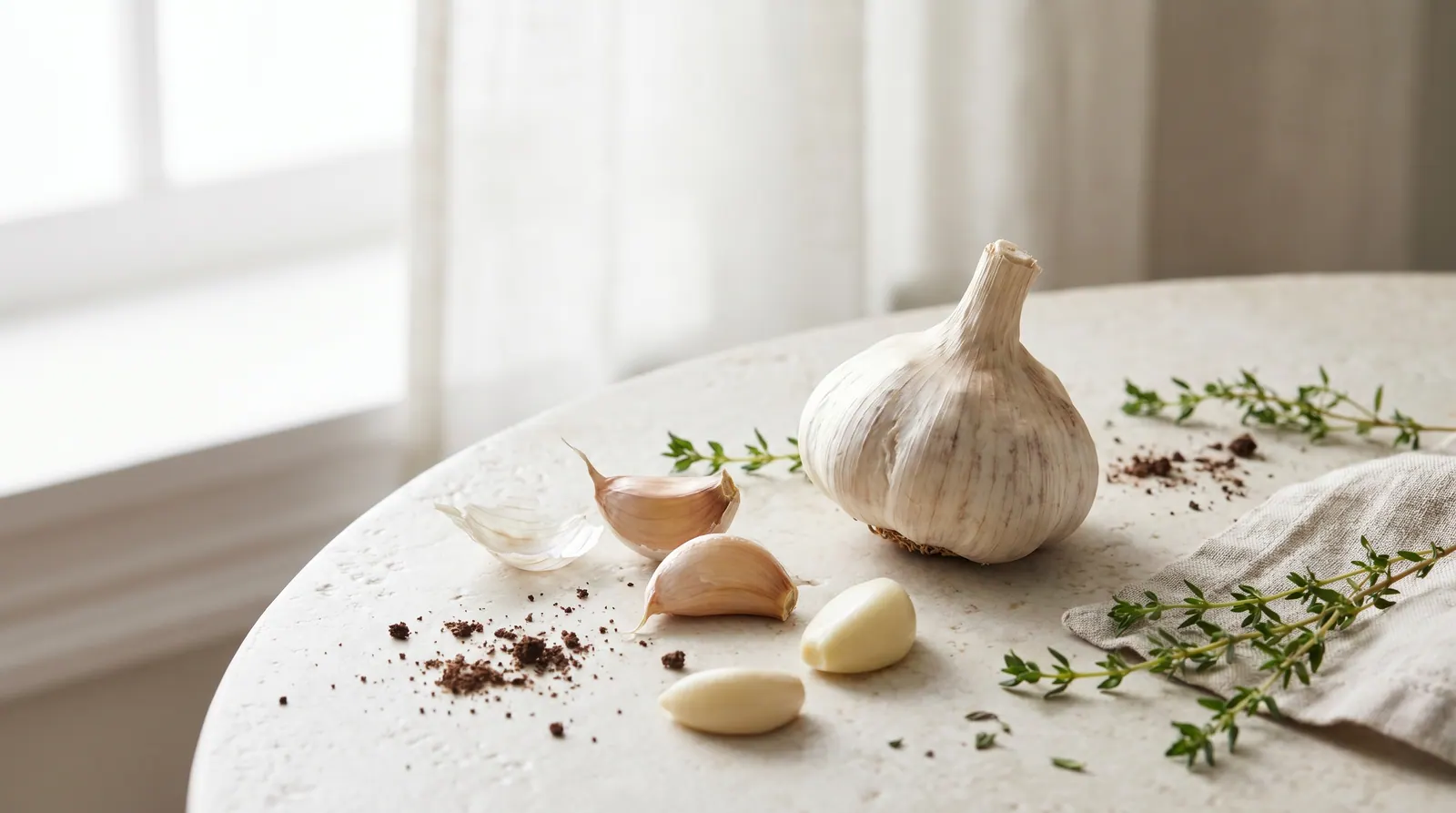
Garlic's secret is a compound called allicin, but it doesn't exist ready-made in an intact clove. When you crush or chop garlic, an enzyme called alliinase is released, which converts a precursor compound into allicin, from which other organosulfur compounds are formed, believed to be responsible for many of garlic's effects.
Practically speaking, this explains why garlic differs from garlic: a clove swallowed whole releases less allicin than one that is crushed. But be aware: allicin formation is one thing, and proving it cures a specific disease is another. Allicin explains the chemistry, not the promises. The rest of this guide distinguishes what's proven from what's exaggerated.
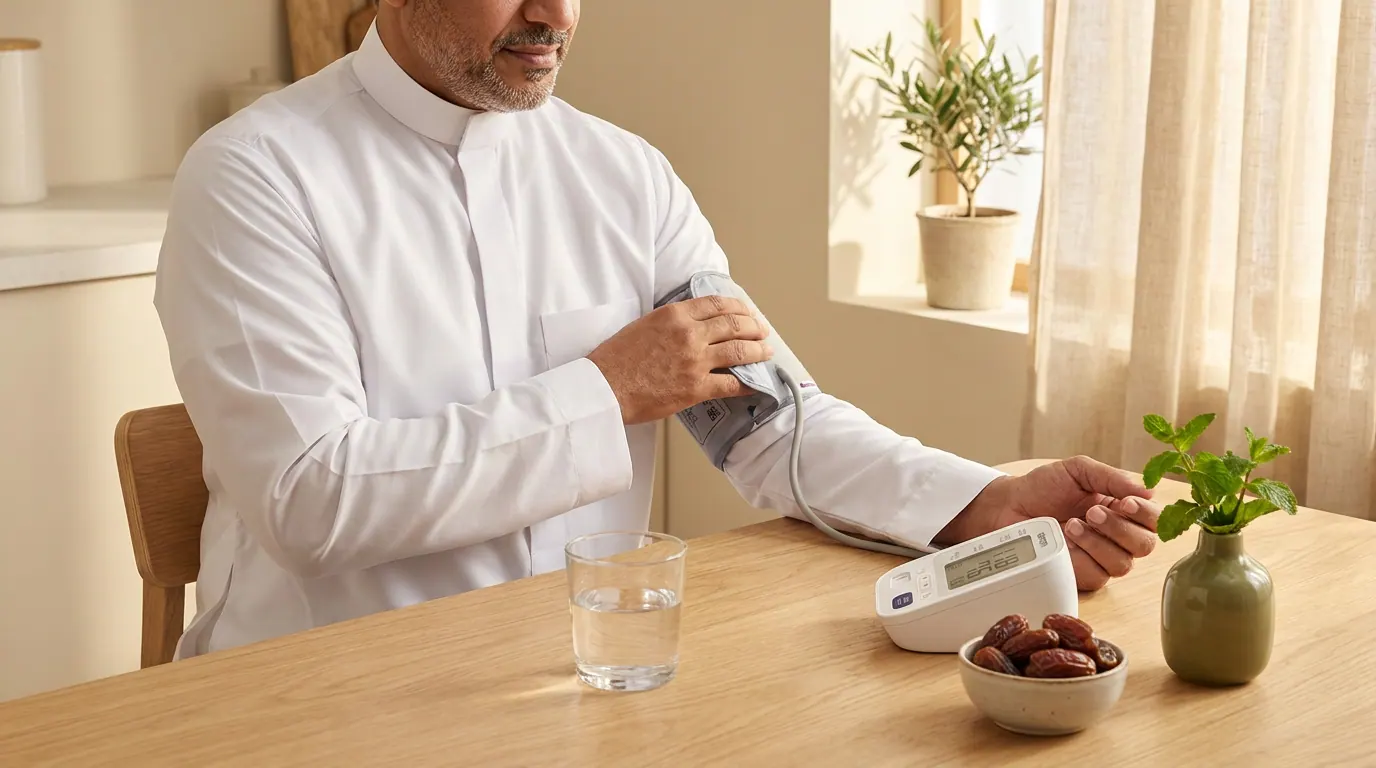
Garlic and Blood Pressure: A Modest Documented Effect
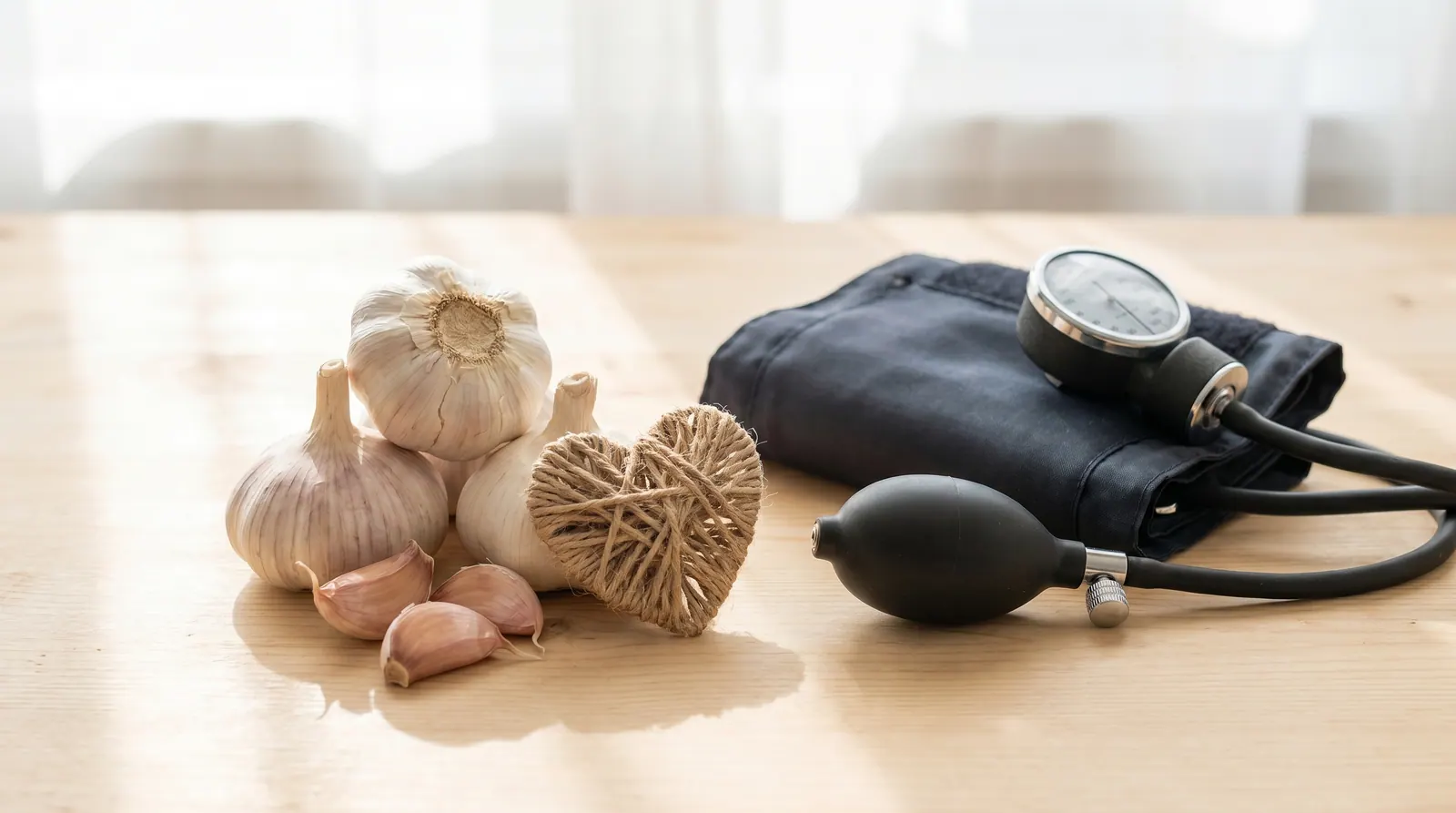
Here, garlic stands on firmer ground. A meta-analysis of nine double-blind trials involving about 482 people found that garlic preparations lowered systolic blood pressure by about 9 points and diastolic by about 4 points compared to placebo.
However, honesty requires caution: when the comparison was limited to higher-quality trials, the effect on systolic pressure was smaller. The U.S. National Center for Complementary and Integrative Health (NCCIH) describes the evidence as limited, stating that garlic may lower blood pressure slightly in those with hypertension. The practical takeaway: garlic is a potential supportive factor, not a substitute for blood pressure medication or your doctor's follow-up.
Garlic and Cholesterol: Mixed Evidence
Here, the stories vary. The NCCIH states that garlic supplements may lower total and LDL cholesterol slightly in those with high levels, but describes the results as mixed.
Conversely, a meta-analysis of 13 trials involving 1056 people found no significant effect of garlic on total or LDL cholesterol, triglycerides, or HDL cholesterol, concluding that available evidence does not show a confirmed benefit. The honest message: do not rely on garlic to lower cholesterol. Adopt a comprehensive diet rich in fiber and whole grains, and leave treatment decisions to your doctor.
Are You Overestimating Garlic's Benefits? A Self-Check
This is a guiding self-assessment to reveal if you are expecting too much from garlic. It does not replace consulting a doctor or monitoring your health. Choose what applies to you:
Garlic, Colds, and Immunity: Weak Evidence
The most promoted benefit of garlic on social media is for immunity and cold prevention, and here the evidence is weakest. A Cochrane systematic review found only one trial that met the inclusion criteria out of eight studies, involving 146 people who took a garlic capsule or placebo daily for 12 weeks.
The garlic group in that trial reported fewer colds compared to placebo, but the authors concluded that clinical evidence is insufficient to determine garlic's role in preventing or treating colds, and that more studies are needed. The takeaway: do not promise yourself immunity from colds with a clove of garlic. Make it part of a balanced diet, not a substitute for sleep, hygiene, or vaccination.
Raw vs. Cooked: How to Preserve Allicin
A recurring question: should I cook garlic or eat it raw? The answer lies in allicin chemistry. Heat deactivates the alliinase enzyme responsible for its formation, and a study published in the Journal of Agricultural and Food Chemistry found that cooking reduces beneficial compounds, with greater reduction in whole garlic and less in crushed garlic before cooking.
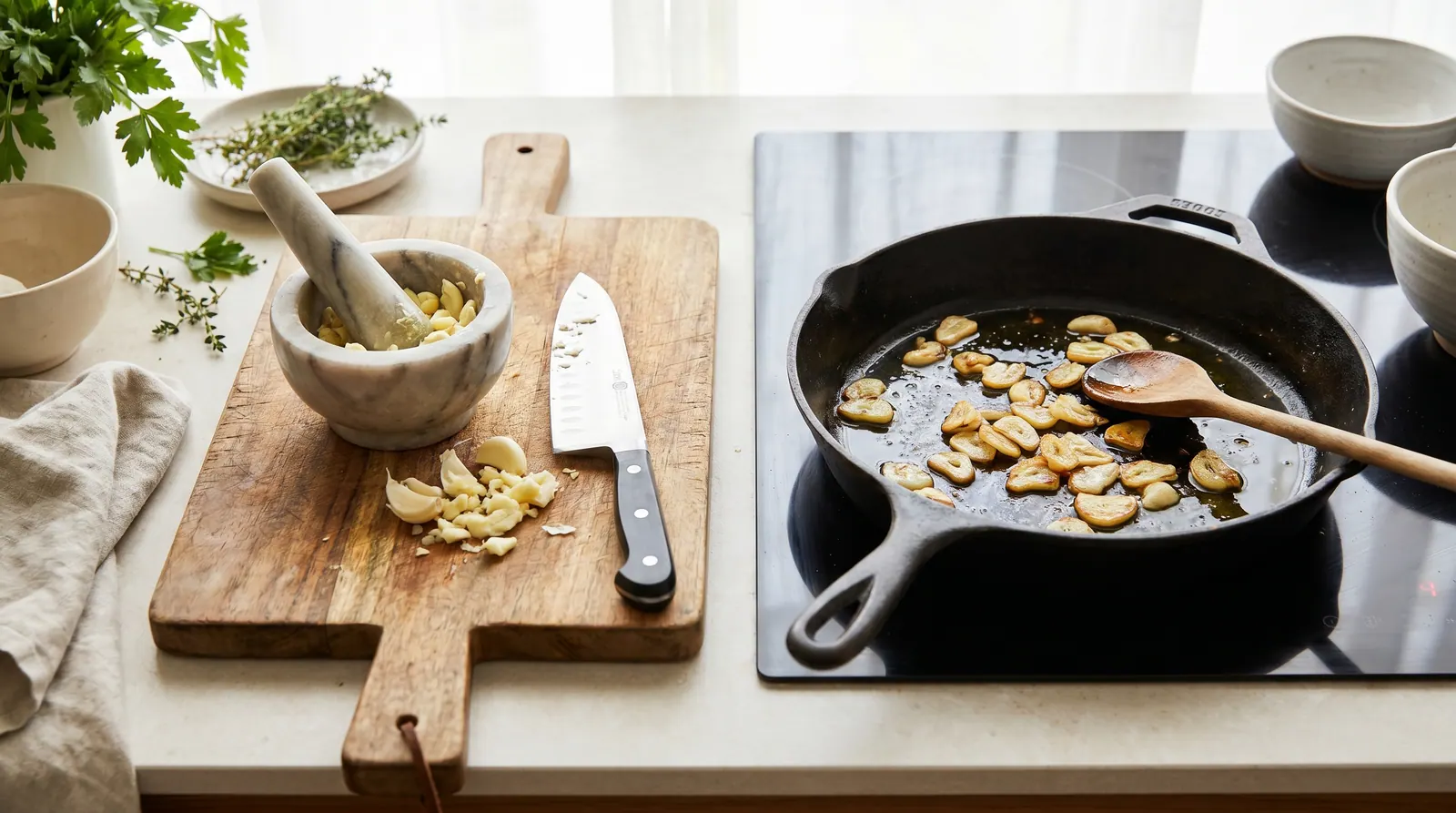
The practical solution proposed by researchers: crush or chop the garlic, then let it sit for about 10 minutes before cooking. This waiting period allows the enzyme to form allicin before heat deactivates it, so some of it survives in the dish. Remember, this is a method to preserve compounds, not a cure. Cooked, crushed garlic remains a delicious and beneficial food.
Dosage and Bad Breath
There is no magic dose of garlic, and studies have used varying preparations and amounts. Therefore, consider it part of your diet, not a measured medicine. Its most common side effects are breath and body odor, followed by stomach pain, gas, and nausea, especially with raw garlic on an empty stomach.
Practically: If the odor bothers you, distribute garlic throughout your meals, cook some of it after crushing, and pair it with food. If raw garlic causes heartburn or digestive upset, reduce the amount or cook it. Garlic is a culinary pleasure, not a tolerance test, so don't force your stomach to endure discomfort in pursuit of exaggerated benefits.
Why Your Saudi Dish Helps Here
Garlic is present in our cuisine without fuss: in Kabsa, Murtabak, soups, sauces, pickles, and Daqoos. This abundance is a blessing because it allows you to consume garlic as part of a balanced meal, not as an expensive supplement bought based on a post.
The practical message: benefit from the natural presence of garlic in your dishes instead of chasing supplements. Crush it, let it sit briefly before adding it to your cooking, and make it part of a diet rich in vegetables, legumes, and whole grains. The modest, confirmed benefit in your dish is better than the exaggerated promise in a pill.
Aged Garlic Extract: Where Does It Differ?
Many studies that showed an effect on blood pressure used a specific form called aged garlic extract (AGE), not regular garlic cloves. Recent reviews have found that AGE may lower systolic blood pressure in hypertensive patients, although results vary between studies.
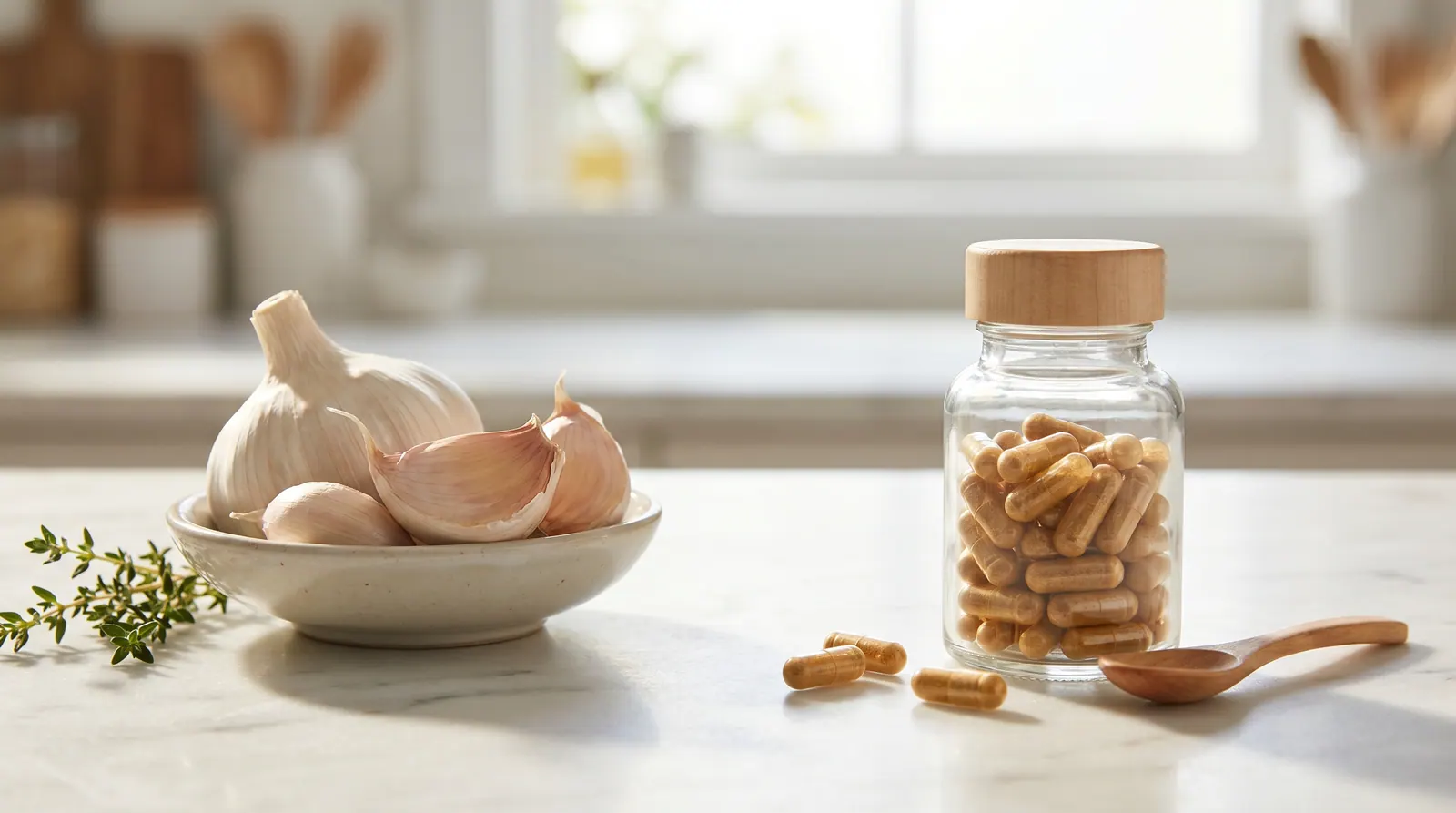
This distinction is important: when a post promises the effects of aged garlic, it is usually referring to a standardized, studied supplement, not the clove you add to your cooking. Practically: most people do not need a supplement. If you are considering it for a health condition, consult your doctor first, especially if you are on blood pressure medication or blood thinners.
When Garlic is Dangerous: Important Warnings
Garlic is safe for most people, but certain situations require real caution. Garlic supplements may increase bleeding risk, so those taking blood thinners like warfarin or aspirin should consult their doctor before consuming large amounts.
The strict rule: stop garlic supplements before any surgery and consult your surgeon, as increased bleeding risk can complicate the procedure. Raw garlic can also irritate the stomach and may not be safe topically on the skin, potentially causing irritation or burns. High doses may not be recommended during pregnancy and breastfeeding. Do not start a garlic supplement with a chronic medication or health condition without consulting your doctor or pharmacist.
What Science Actually Says
If we piece together the picture calmly: garlic is not a cure for any disease. Its strongest evidence is a modest effect on blood pressure in hypertensive patients, estimated by a meta-analysis at about 9 points in systolic pressure, with reservations about the quality of some studies. For cholesterol, the evidence is mixed, and a meta-analysis of 13 trials found no significant effect.
For colds, the evidence is weak and based on a single trial insufficient for a confident recommendation. The NCCIH describes the overall evidence as limited and many studies as small or low-quality. The practical takeaway: treat garlic as a delicious food and a potential supportive factor, not a proven solution for disease. Believe what is proven, and be skeptical of what is exaggerated.
Five Common Garlic Myths
Half-truths promising more than garlic delivers circulate around it. Here are the most prominent, and what the evidence says:
"Garlic on an empty stomach cures everything and detoxifies the body."
"Garlic lowers cholesterol like medicine."
"A daily clove of garlic makes you immune to colds."
"Cooked garlic has the same benefits as raw."
"Garlic is always safe in any quantity and without caution."
Practical Tips to Apply Today
Before you get to the full protocol, here are small guidelines from the core of the above, helping you benefit from garlic honestly without exaggeration or harm:
- Crush it and let it sit before cooking. Crush or chop garlic, then let it sit for about 10 minutes before adding it to your dish. This waiting period preserves some allicin against heat.
- Make it part of the dish, not medicine. Distribute it across your meals in Kabsa, soups, and sauces. Do not count its cloves as if you are taking medication; it is a delicious food, not a magic recipe.
- Do not stop your medication based on garlic. Garlic is a modest supportive factor for blood pressure, not a substitute for medication prescribed by your doctor or for follow-up with them.
- Listen to your stomach. If raw garlic causes heartburn or gas, reduce it or cook it and pair it with food. No benefit is worth upsetting your stomach.
- Be cautious if you are on blood thinners. Consult your doctor before consuming large amounts of garlic or its supplements if you take warfarin or aspirin.
- Stop supplements before surgery. Inform your surgeon about any garlic supplement and stop it before the procedure, as it may increase bleeding risk.
- Do not buy a supplement based on a post. Most people do not need garlic supplements. If you are considering one for a health condition, consult your doctor first.
- Believe what is proven, not what is exaggerated. Expect a modest, supportive effect from garlic, not a cure, and you will save yourself the disappointment of big promises.
EEINA's Protocol for Honestly Benefiting from Garlic
A practical plan combining the above into three graduated layers. Start layer by layer, and treat garlic as it is: a beneficial food and a modest supportive factor.
The protocol is based on evidence for blood pressure and cholesterol, allicin chemistry, and documented safety warnings.
Benefit from it in Your Dish
Four simple habits.
Adjust Your Expectations
Believe what is proven.
Be Cautious Under Guidance
Before any supplement.
Golden Rule: Garlic is a delicious food and a modest supportive factor, not medicine or a miracle. Benefit from it in your dishes, adjust your expectations, and be cautious where necessary, so you gain its benefits without deceiving yourself.
Frequently Asked Questions
Does garlic actually lower blood pressure?
Does garlic lower cholesterol?
Is raw garlic stronger than cooked garlic?
Does eating garlic on an empty stomach cure diseases?
When should I be cautious about garlic?
When to Consult a Doctor: Red Flags
Garlic is a safe food in most cases, but certain situations go beyond it and require medical evaluation without delay:
- Taking blood thinners like warfarin or aspirin and considering consuming large amounts of garlic or its supplements.
- Having an upcoming surgery: Stop garlic supplements and inform your surgeon before the appointment.
- High blood pressure or cholesterol that you are trying to manage with garlic instead of your doctor's medication and follow-up.
- Persistent digestive upset or heartburn after raw garlic that does not resolve by reducing intake or cooking it.
- Pregnancy, breastfeeding, or a chronic health condition before starting any garlic supplement.
- Skin irritation or burns from applying raw garlic directly to the skin.
Start Your Next Step with EEINA
Meal Plans for a Healthier Heart
Balanced Saudi recipes that utilize garlic in your dishes within a vegetable and legume-rich diet.
Get Your Plan →Recipes with Garlic
Easy ideas that involve crushing garlic and letting it sit before cooking, to benefit from its flavor in our Saudi dishes.
Try Them →The EEINA App
Helps you build a balanced diet and distinguishes verified information from exaggerated promises.
Download →