Before Your Workout — Fuel the Tank
The goal one to one and a half hours before your workout: replenish glycogen stores, avoid hunger, and prevent stomach upset. The ideal meal:
- Moderate Carbohydrates: 40 to 60 grams (oats, basmati rice, whole wheat bread).
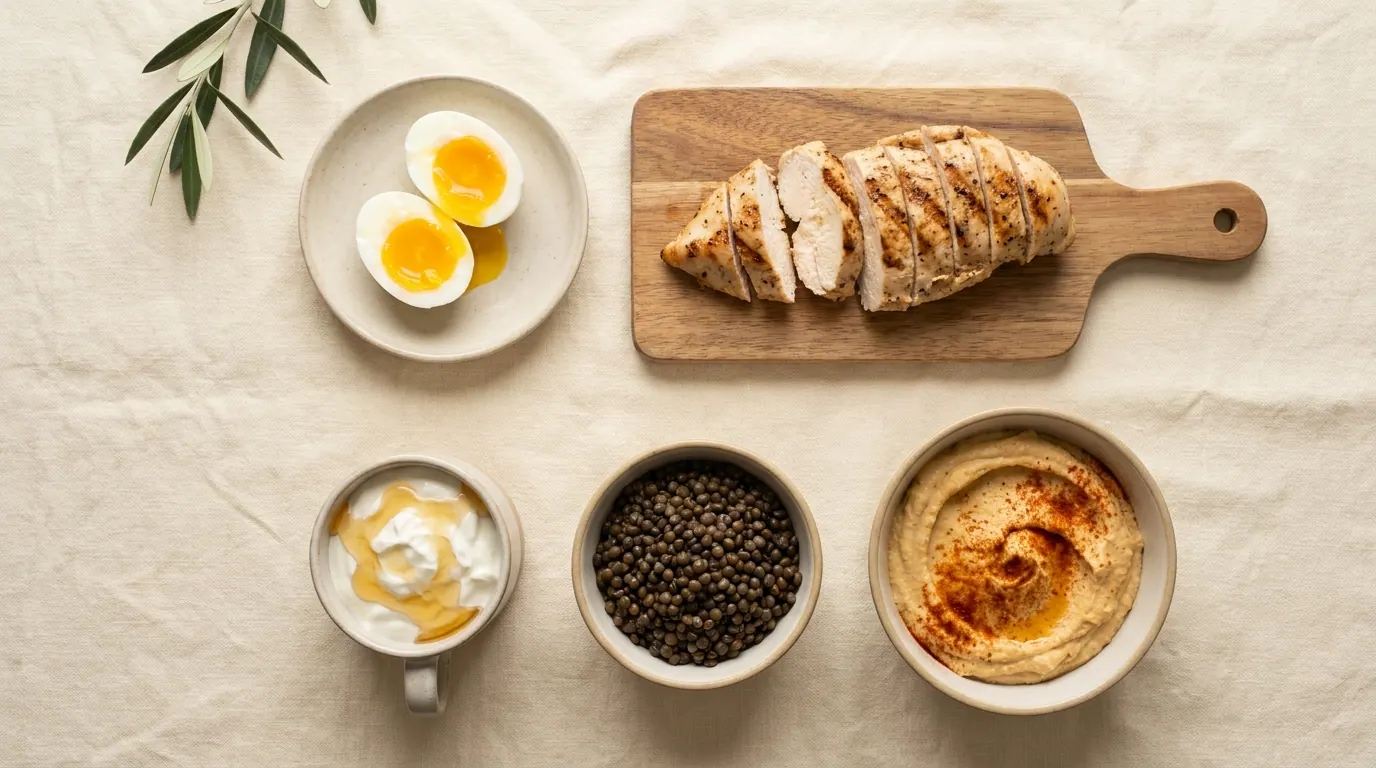
- Light Protein: 15 to 20 grams (eggs, yogurt, chicken breast).
- Low Fat: Fat slows digestion, so minimize it right before exercise.
- Water: About 500 ml one hour prior.
A simple Saudi example: Oatmeal with banana, two boiled eggs, and a glass of water.
During Your Workout — Hydration First
For workouts under an hour: water is sufficient. For longer sessions or in summer heat, you need electrolytes to replace what's lost in sweat:
| Workout Duration | Fluids | Additives |
|---|---|---|
| Less than 60 minutes | 150 to 300 ml water every 15 minutes | None |
| 60 to 90 minutes | Water with electrolytes | Sodium around 500 mg |
| More than 90 minutes | 6% to 8% sports drink | Carbohydrates 30 to 60 g/hour |
After Your Workout — The "Golden Window" is Partially a Myth
The post-workout window is twenty-four hours, not thirty minutes. However, a balanced meal within one to two hours remains a smart practice.
The old advice was: "Eat protein within thirty minutes or lose your gains." Modern research[1] has shown the window to be much wider. What truly matters is your total daily protein intake. But if you trained while fasting or on an empty stomach, a quick meal afterward is beneficial. The ideal post-workout meal:
- Good protein source: 20 to 40 grams (eggs, chicken breast, Greek yogurt, or whey protein).
- Carbohydrates: 40 to 70 grams to replenish glycogen.
- Fluids and electrolytes for rehydration.
Calculate Your Daily Protein
The most crucial number in sports nutrition is your total daily protein intake, not its timing. This calculator estimates your needs based on your weight and goal, distributing it over four meals:
An indicative estimate based on International Society of Sports Nutrition ranges. Individuals with kidney disease or specific conditions should adjust protein intake with their doctor.
And where do you get this protein? Here are common Saudi servings and their protein content:
Source: USDA FoodData Central. Values are approximate and vary by product and preparation method.
Nutrition by Sport Type
Cardio — Hydration is Key
Before: Light carb snack (banana, dates, oats). During: Water every 15 minutes. After: Moderate protein around 20g with 40g carbs.
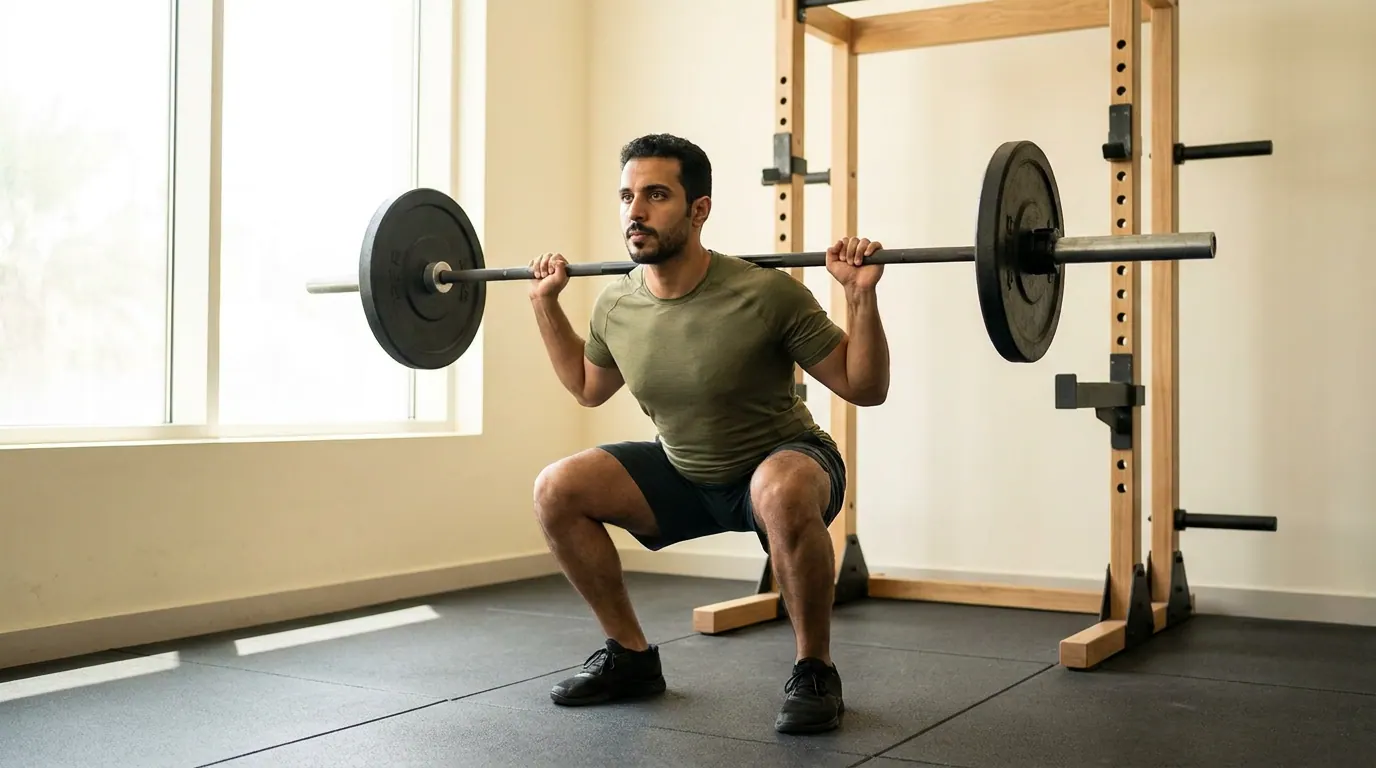
Weightlifting — Protein is King
The most important factor is total daily protein, not timing: 1.6 to 2.2g per kilogram, distributed over four to five meals. See our Protein Guide and Muscle Building Guide.
Endurance Sports (Marathon & Long Cycling)
- Carbohydrate Loading 48 hours prior: 10 to 12 grams per kilogram daily.
- During: 30 to 60 grams of carbohydrates per hour with 500 to 700 ml of fluids.
- After: 1.2 grams of carbohydrates per kilogram with 20 grams of protein within an hour.
Supplements — What's Actually Worth Your Money
The market is full of promises, but scientifically proven options are few. Only three are worth mentioning:
Creatine Monohydrate. The most evidence-backed supplement for increasing strength and muscle mass[2]. Take 3 to 5 grams daily, anytime, with a glass of water. Safe for healthy individuals at the usual dosage.
Caffeine. A proven performance enhancer taken about 30 to 60 minutes before exercise. A cup of plain Arabic coffee is a natural and inexpensive option. Avoid it before bedtime.
Whey Protein. Not magic, but a convenient way to meet your protein goals when food intake is challenging. It's a substitute for a deficit, not an addition to sufficiency.
Fasted Training — Does it Burn More Fat?
Morning cardio on an empty stomach increases fat burning during the session, but studies show minimal long-term fat loss difference if total calories and protein remain constant. If it suits you and doesn't cause dizziness, it's fine. However, intense weightlifting sessions are better performed after a light meal.
Exercising During Ramadan and Saudi Heat
In summer generally, exercise in the early morning or after sunset. Drink before you feel thirsty, as thirst is a late indicator. Light-colored urine is a good hydration indicator.
Frequently Asked Questions
- There's no need to rush. As long as you meet your total daily protein intake distributed across meals, muscle building is ensured. A meal within one to two hours is perfectly adequate, unless you trained while fasting, in which case, speed up slightly.
- No. Sufficient food, exercise, and sleep build muscle on their own. Creatine and whey can facilitate the process but are not prerequisites. Build your nutritional foundation first, then consider supplements.
- If time is tight, a banana or three dates with a glass of water is enough to boost energy without feeling heavy. Those who tolerate early eating can add some light protein. And if you prefer fasted cardio, there's no harm.
- A practical rule: drink until your urine is light yellow. Add to your usual intake to compensate for sweat in the heat, about half a liter to a liter per hour of exercise, with a pinch of salt for long workouts.
- Yes, the caffeine in it is a proven performance enhancer if consumed plain about half an hour before exercise. Adjust the amount to your tolerance, and avoid it in the evening so it doesn't steal your sleep, which builds muscle.
Six Points to Remember
- Total Daily Intake is King. Protein and calories throughout the day before any specific timing.
- Carbohydrates Around Your Workout. Before for energy, after to replenish glycogen.
- The Window is Wide. Twenty-four hours, not thirty minutes.
- Hydration is Half the Battle in Our Heat. Drink before you feel thirsty.
- Few Proven Supplements. Creatine, caffeine, and whey when needed.
- Sleep Seals the Deal. Without adequate sleep, half your workout is wasted.
A Calculated Sports Nutrition Plan
EEINA calculates your protein, carbohydrate, and fat needs based on your exercise and weight, with Saudi recipes and smart meal timing.