Your Body Cleanses Itself Already
The core idea you must first grasp: your healthy body doesn't wait for a product to get rid of waste. A system of organs breaks down toxins and waste daily, eliminating them without you noticing, from digestion byproducts, alcohol, and medications to dead cells and environmental pollutants.
Practically, this means your question shouldn't be 'How do I expel my toxins?' but 'How do I support the organs that expel them?' The answer isn't in a juice bottle, but in simple daily habits we'll detail. When you understand that cleansing is a continuous function, not a seasonal campaign, half of the detox claims crumble on their own.
Who Actually Cleanses the Body
The liver is the body's primary filter, breaking down toxins and converting them into harmless or excretable forms, and producing proteins that neutralize heavy metals like lead, cadmium, and mercury. The kidneys are also efficient blood filters, eliminating waste in urine; urine tests are even used to detect toxins, testifying to their efficiency.
The digestive system completes the picture by regularly eliminating waste in feces. The skin also plays a role, along with the lymphatic system and lungs, which assist in waste elimination. Waste exits daily through urine, feces, and sweat without any external product. An important note that experts correct a common myth: toxins are not expelled through sweat as often promoted; sweating is not a detoxification method.
What the Trend Promises — And How Big Is the Promise
Detox products range from juices and herbs to strict diets and cleansing kits. A typical kit marketed for intestinal cleansing often consists of a fiber-rich supplement, a 'support' supplement with herbs or enzymes, and a laxative tea, each used daily for weeks.
The promises are dazzling: expelling toxins, inner purity, energy, and weight loss. But the British Dietetic Association clearly describes it: 'The whole concept of detox is nonsense,' and it's closer to a marketing myth than a nutritional reality, as no pills, drinks, or patches perform better than your body does. The practical rule: the more dazzling the promise, the more you should ask for evidence before you pay.
Do You Really Need a Detox? — A Self-Check
This is a guiding checklist to help you identify the real motivation behind your desire for 'cleansing' and does not replace consulting a doctor. Choose what applies to you:
What the Evidence Actually Says
When we search medical literature for evidence on detox diets, we find a striking void. A scientific review concluded that there is no compelling research supporting the use of detox diets for weight management or toxin removal from the body. The few available studies are of low quality due to design flaws, small participant numbers, or lack of peer review.
More starkly: there are no studies on the long-term effects of 'cleansing' programs at all. The practical conclusion: don't promise yourself purity or healing from a product that hasn't been well-tested. This doesn't mean every dietary change is worthless; it means the value comes from a balanced habit, not from the name 'detox' on a package.
Detox Juices and Crash Diets
Many who try detox juices see the scale drop, mistaking it for success. However, reviews show this initial loss is due to severe calorie reduction, not toxin expulsion, and the weight returns once normal eating resumes. More importantly, what drops first is often water and glycogen, not fat.
Crash diets have a price: you might feel tired, dizzy, stressed, have difficulty concentrating, and lack energy because your body is deprived of its fuel. Detox programs are also often unbalanced, potentially failing to provide the protein, nutrients, and electrolytes your body needs. Practically: if you want lasting change, build a balanced plate instead of chasing temporary loss that quickly returns.

When Detox Can Be Harmful
Detox isn't just a waste of money; it can be harmful in some situations. Drinking large amounts of water and herbal tea without food for consecutive days can lead to dangerous electrolyte imbalances. Many programs include laxatives that can cause diarrhea, and severe diarrhea leads to dehydration and malabsorption.
Severe calorie restriction can also disrupt metabolism and blood sugar levels, making it more sensitive for those with diabetes, who should consult their healthcare provider before any major change. Unpasteurized juices can also cause illness. Practically: if you are taking chronic medications or have a health condition, do not start any detox program before consulting your doctor, as some conditions and medications are affected by severe restriction.
The Toxin Buildup Myth in the Body
Many 'colon cleanse' advertisements are based on a frightening image: hardened waste stuck to your intestinal walls for years, requiring a product to scrape it away. This image is incorrect; waste does not adhere to the colon walls in hardened masses, and the digestive system eliminates it regularly.
The truth is that the concept of 'toxin buildup' that drives the industry lacks a solid basis in most cases. Your body is not a warehouse where toxins accumulate waiting for a cleansing campaign; it's a continuous elimination system. Practically: when you hear a promise of removing 'years of toxins,' consider it a warning sign, not a sign of benefit.
Why the Saudi Plate Helps You Here
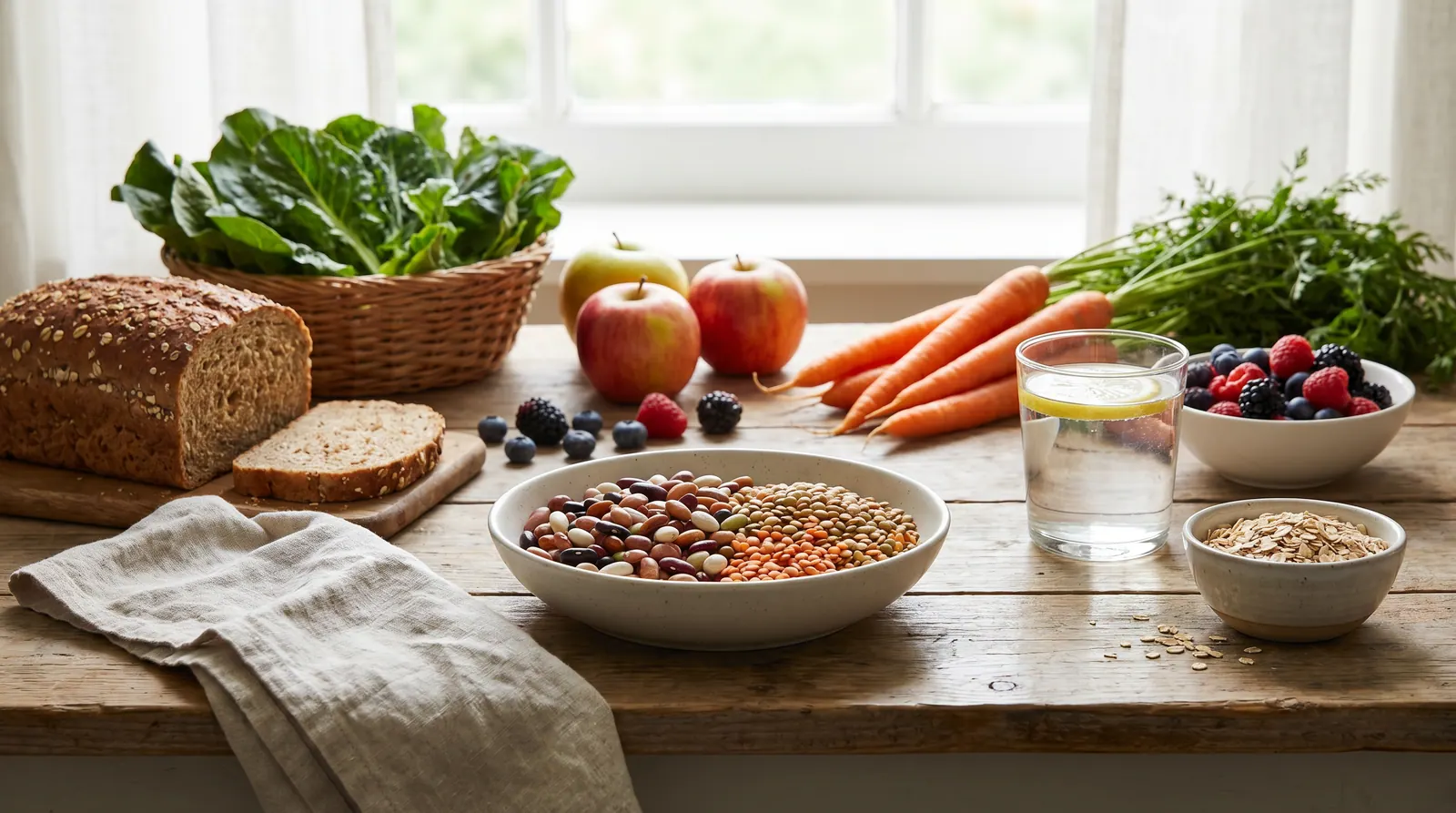
Our cuisine offers natural support tools without cost or expensive products: vegetables in salads and stews, legumes like lentils, chickpeas, and beans, and fruits like dates and pomegranates, plus whole grains like bulgur and jareesh. These foods provide the fiber, water, and nutrients that support cleansing organs, which is what medical authorities recommend instead of detox diets.
The practical message: don't replace your rich table with a green juice in a bottle. Incorporate five servings of vegetables and fruits daily, make legumes and whole grains a regular part of your diet, and drink enough water. This is cheaper, more enjoyable, and more proven than any cleansing program.
What Truly Supports Your Natural Pathways
If you want to support your body's natural cleansing systems, the path is known and supported by evidence: give your body what it needs to maintain its self-system, which is healthy food, adequate fluids, regular physical activity, sufficient sleep, and periodic medical follow-up.
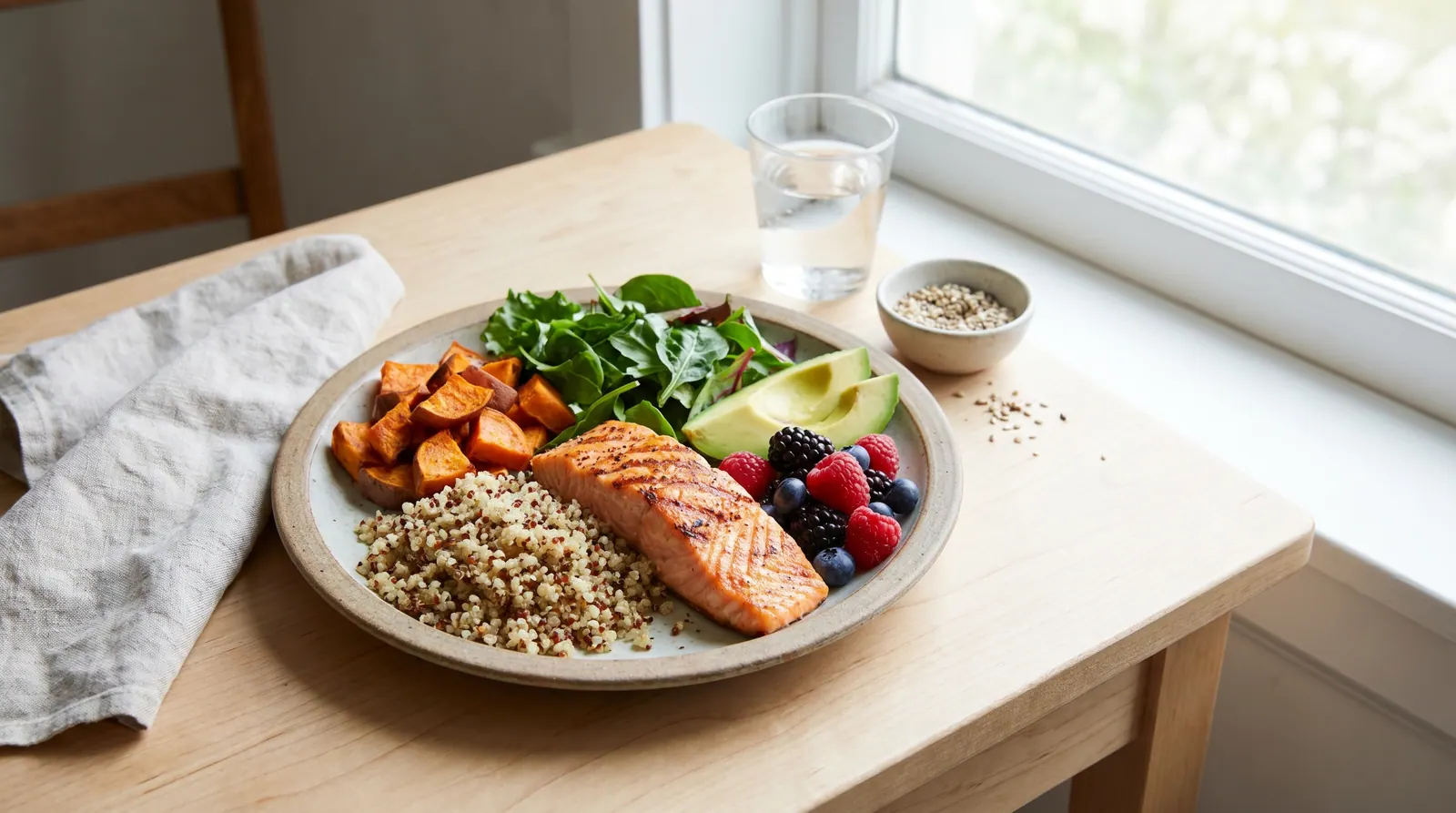
Add to this a solid nutritional foundation: five servings of vegetables and fruits daily, whole grains, legumes, unsaturated fats, and enough water, while reducing alcohol and smoking, which burden your liver and lungs. The practical rule: there is no single magic food that expels toxins, but a complete lifestyle that keeps your organs functioning efficiently. This is the only proven 'detox'.
Five Common Detox Myths
Half-truths promising more than they deliver circulate around detox. Here are the most prominent, and what the evidence says:
"You need a detox product to expel accumulated toxins."
"Detox juice causes weight loss and expels toxins."
"Detox is always safe because it's natural."
"Toxins accumulate in the colon, requiring a cleanse."
"Sweating expels toxins, so saunas detoxify you."
Practical Tips to Implement Today
Before reaching the full protocol, here are small guidelines from the core of the above, supporting your body's natural cleansing without products or crash diets:
- Save your money on juices and kits. There's no compelling evidence that detox products remove toxins or improve health. It's more beneficial to spend it on vegetables, fruits, and whole grains.
- Make five servings of vegetables and fruits your daily rule. They provide fiber, water, and nutrients that support cleansing organs, which is what medical authorities recommend instead of crash diets.
- Drink enough water throughout the day. Kidneys eliminate waste in urine, and adequate water supports their function without the need for detox tea or special drinks.
- Get enough sleep. Sleep is an integral part of your body maintaining its self-system, and it's cheaper and more powerful than any purity product.
- Reduce alcohol and smoking. They are the heaviest burdens on your liver and lungs. Reducing them is true support for elimination pathways, not a promise on a package.
- Do not fast on juices for consecutive days. It can cause electrolyte imbalances, dehydration, and protein deficiency, especially if combined with laxatives or detox tea.
- Be cautious of 'quick purity' promises. The more dazzling and grand the promise, ask for evidence before you pay. Purity is a habit, not a bottle.
- Consult your doctor before any cleanse if you are ill. Diabetes, kidney or liver disease, and chronic medications all require a doctor's opinion before any severe restriction.
EEINA's Protocol to Support Your Body's Natural Cleansing
A practical plan combining the above into three progressive layers. Start layer by layer, and note your response to understand what works for you.
The protocol is based on medical authority guidelines to support the self-cleansing system instead of detox products.
Nourish Your System
Four habits every day.
Reduce the Burden
Steps to ease your organs.
Avoid Harm
Before any cleanse.
Golden Rule: The goal isn't a detox bottle you buy, but a lifestyle that keeps your organs functioning efficiently. The only proven detox is diet, water, sleep, activity, and reducing what burdens your body.
Frequently Asked Questions
Do I need a detox product to cleanse my body?
Do detox juices and crash diets cause weight loss?
Can detoxing be harmful?
What truly supports the body's natural cleansing process?
Does toxin build up in the colon, requiring a cleanse?
When to Consult a Doctor — Red Flags
Cleansing is a natural function of your healthy body, but certain symptoms or conditions require medical evaluation before any program or if they appear:
- Severe dizziness, fainting, or general weakness during a fast or crash diet requires stopping and consulting a doctor.
- Heart palpitations or irregular heartbeat: May indicate an electrolyte imbalance; seek immediate medical attention.
- Severe diarrhea or signs of dehydration while using laxatives or detox tea.
- Diabetes, kidney disease, or liver disease: Consult your healthcare provider before any significant dietary restriction.
- Chronic medications: Consult your doctor or pharmacist before any detox program, as some medications are affected by severe restriction.
- Pregnancy or breastfeeding: Avoid cleansing programs and consult your doctor, as they can be dangerous during these stages.
Start Your Next Step with EEINA
Balanced Meal Plans Instead of Detox
Saudi recipes rich in vegetables, legumes, and whole grains that support your natural organs without crash diets.
Get Your Plan →Fiber-Rich Recipes
Easy ideas to incorporate vegetables, legumes, and whole grains into your plate without juice or bottles.
Try Them →EEINA App
Helps you build a balanced plate rich in fiber and water, and reminds you of habits that support your body's natural cleansing.
Download →