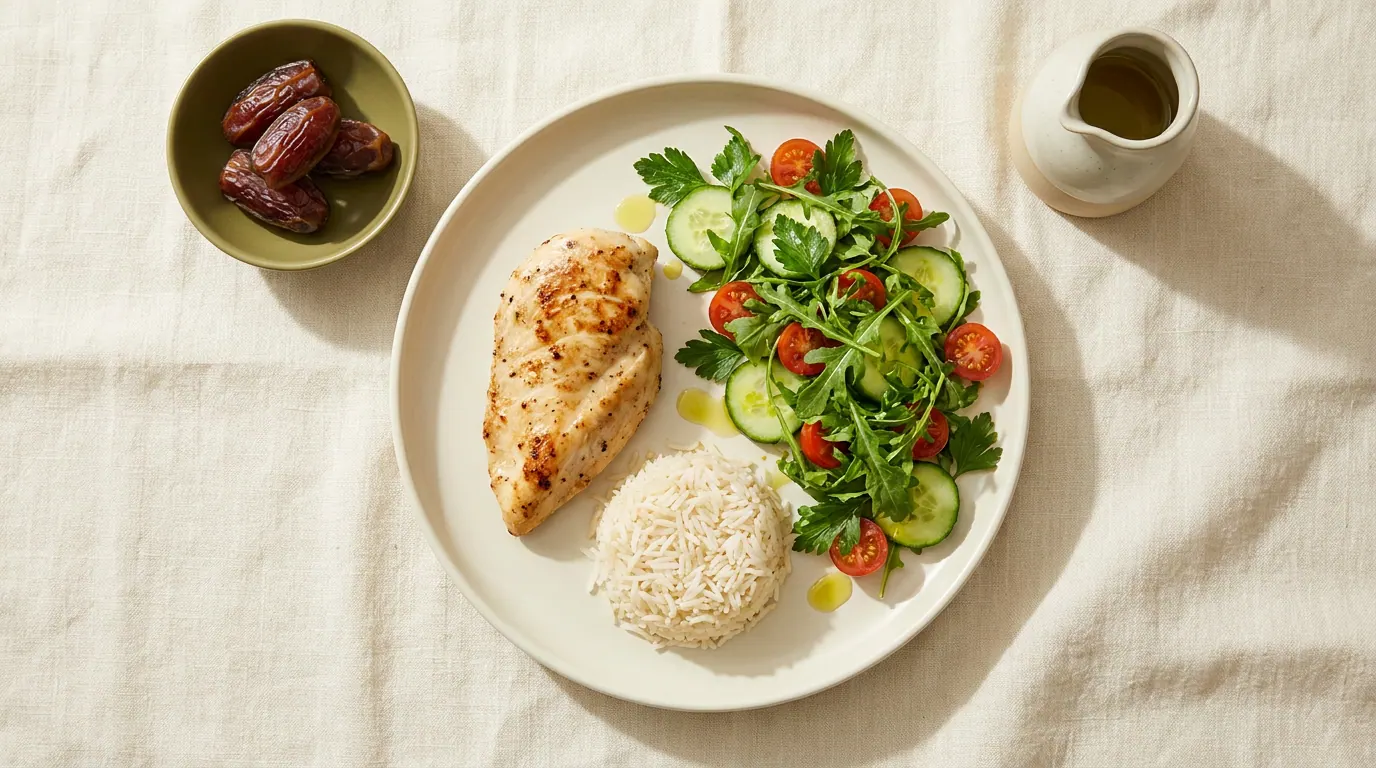
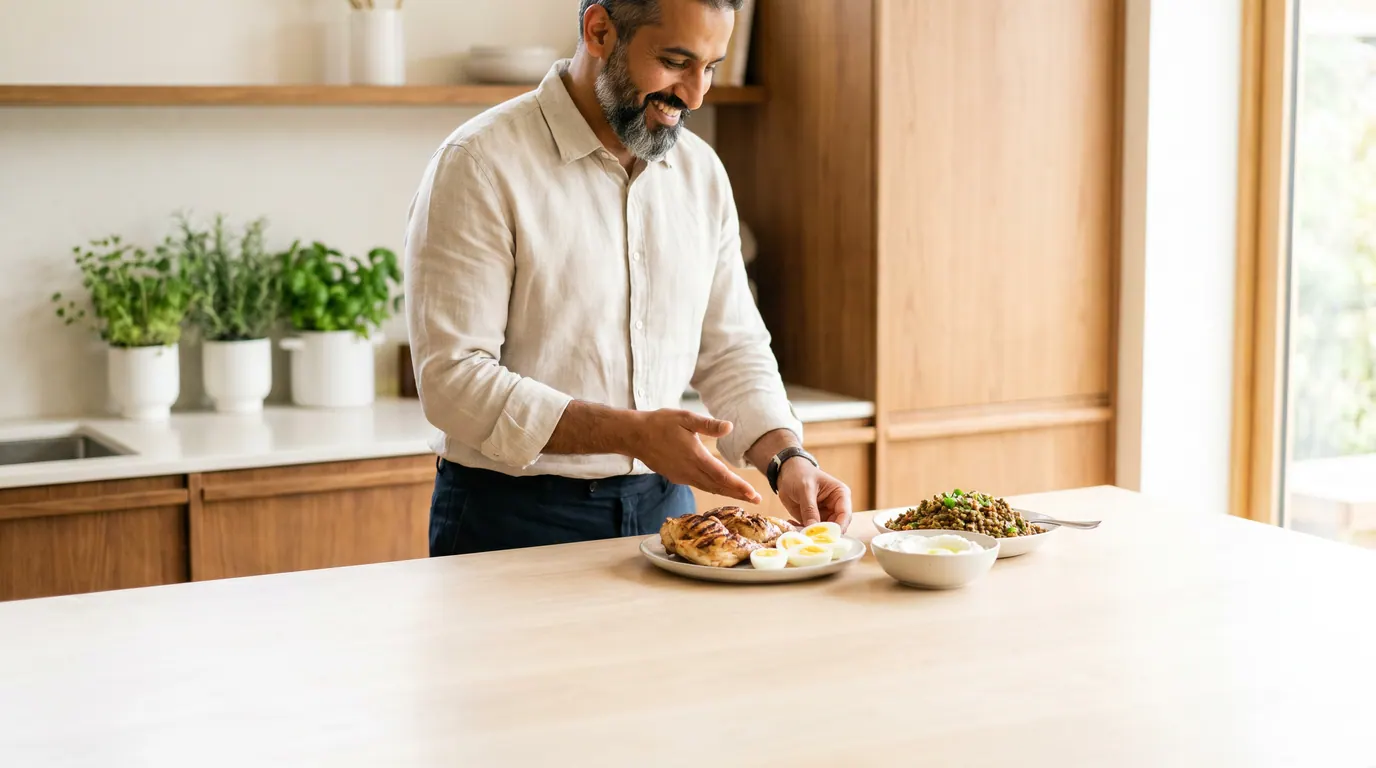
How Blood Sugar Rises After Meals
When carbohydrates and sugars are digested, they are converted into glucose that enters the bloodstream, causing a gradual rise that typically peaks 30 minutes to an hour later, before the body returns it to normal levels. The intensity and speed of this rise depend on the type and quantity of starch, and what accompanies it on the plate in terms of fiber, protein, and fats. Thus, the same food can raise your sugar sharply or gently, depending on what it's paired with.
A meal consisting solely of rapidly digestible starches, such as white bread, plain rice, or dessert, causes a sharp, narrow spike followed by a drop. In contrast, a balanced meal creates a gentler, longer wave. The practical takeaway is simple: don't eat starch alone; always pair it with something that slows its absorption, like vegetables, protein, and healthy fats, to transform a sharp peak into a gentle curve.
Why Frequent Sharp Spikes Are Harmful
The issue isn't the gentle rise in blood sugar after eating, but rather the frequent, sharp ups and downs. Research tracking sugar throughout the day has found that this sharp fluctuation is more taxing on the body than a constant rise at the same rate, even if the average sugar level appears reassuring in analysis. This means someone whose meals cause their sugar to spike and then drop suddenly might experience more fatigue than someone with slightly higher but stable sugar levels.
This implies that calming post-meal waves is an independent dietary goal, not solely measured by average sugar levels. Everything that smooths the post-meal curve—food order, fiber, and walking—is a protective investment, even for those with normal fasting sugar. This doesn't mean every transient spike causes permanent damage; evidence links chronic, repeated fluctuations to oxidative stress, not a single, occasional rise.
Are Your Habits Calming Your Sugar Wave? — Self-Check
This is a guiding assessment to gauge how closely your habits align with the principles supported by this guide. It does not replace blood sugar monitoring or a doctor's diagnosis. Select what applies to you:
Food Order: Vegetables and Protein Before Starch
The order of your bites alone makes a significant difference. In a study on people with type 2 diabetes, those who ate protein and vegetables before starch experienced a 73% calmer post-meal sugar wave compared to those who started with starch, despite consuming the exact same meal with identical calories. The difference wasn't in the food itself, but in the order of consumption.
The reason is simple: protein and fat slow down the emptying of food from the stomach, allowing sugar to reach the bloodstream gradually rather than all at once. The practical application in Saudi cuisine is straightforward: start with salad and vegetables, then meat, chicken, or fish, and finish with rice. For Kabsa, eat the meat and salad first, then the rice. This is a change without dieting or deprivation.
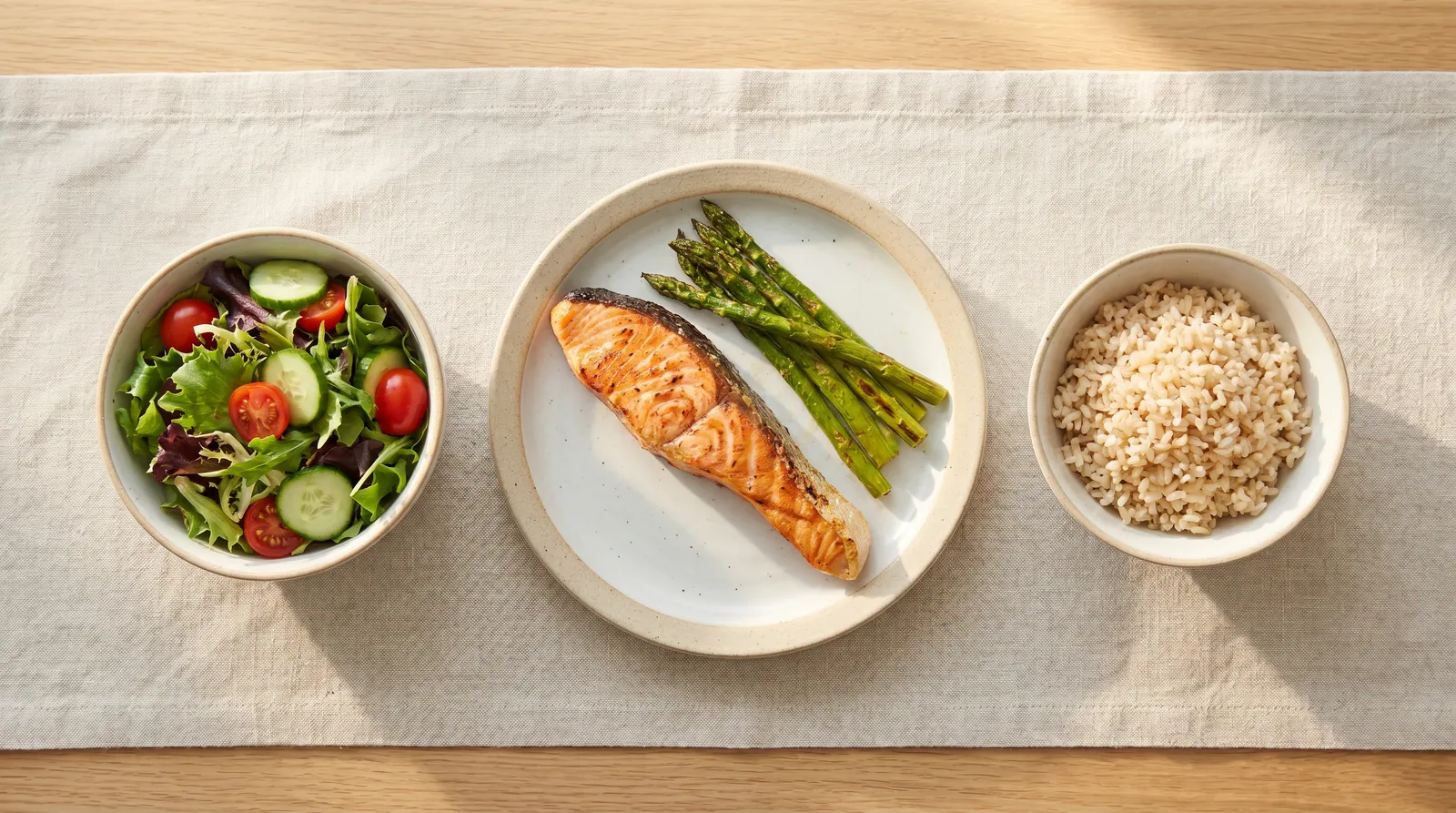
The effect is further confirmed in another group: in a study on healthy women who ate a standardized meal of fish, white rice, and vegetables, starting with vegetables before rice calmed the post-meal sugar wave by about 52% compared to those who started with rice. Notably, the benefit came from the order itself, appearing whether they ate slowly or quickly, as long as the vegetables came first. Make the salad bowl the first thing you reach for on the table, before bread and rice.
The Role of Fiber in Slowing Absorption
Fiber, especially soluble fiber, forms a gel-like substance in the intestines that slows the absorption of glucose into the blood, reducing the intensity of the post-meal rise and making it gentler and longer-lasting. This is why whole fruits with their skin, fiber, and water are gentler on blood sugar than their juices, and a whole apple is better than a glass of apple juice. Fiber also slows stomach emptying and increases satiety, reducing overeating.
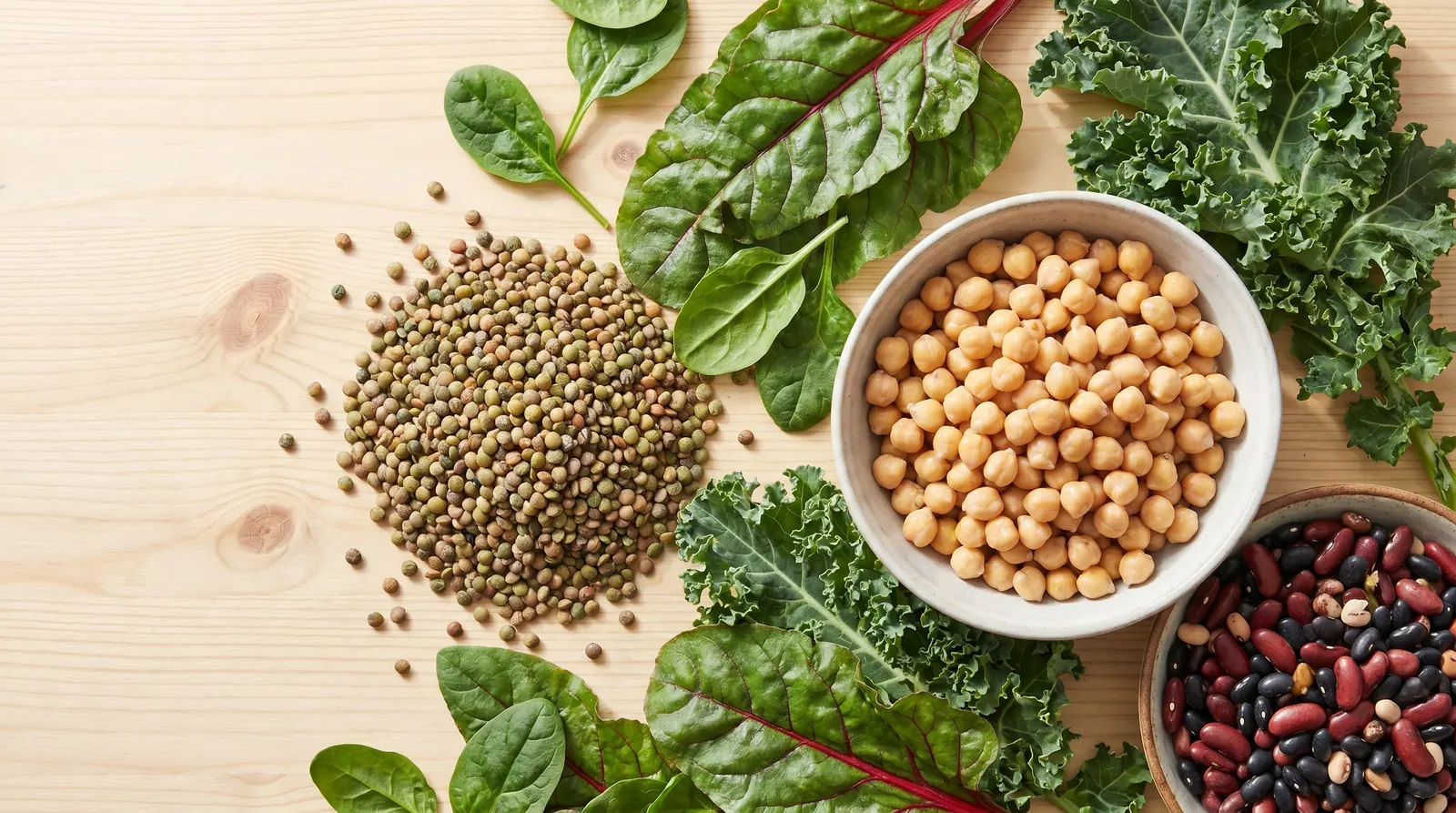
Practical application: Prefer whole wheat bread and bran over white bread, add legumes like lentils, chickpeas, and beans to your meals, eat the skin of cucumbers and tomatoes, and start with a generous salad. The practical goal is to have fiber in every main meal, not just one meal.
Protein and Fat: Natural Slowers
Protein and fat are not just fillers on the plate; they are tools for calming blood sugar. Fat is one of the most potent agents for slowing stomach emptying, especially when consumed before starch rather than mixed with it. Protein, when consumed before a meal, helps the body regulate subsequent blood sugar and sends signals that curb appetite and slow digestion. In short: a bite of protein before starch calms what follows.
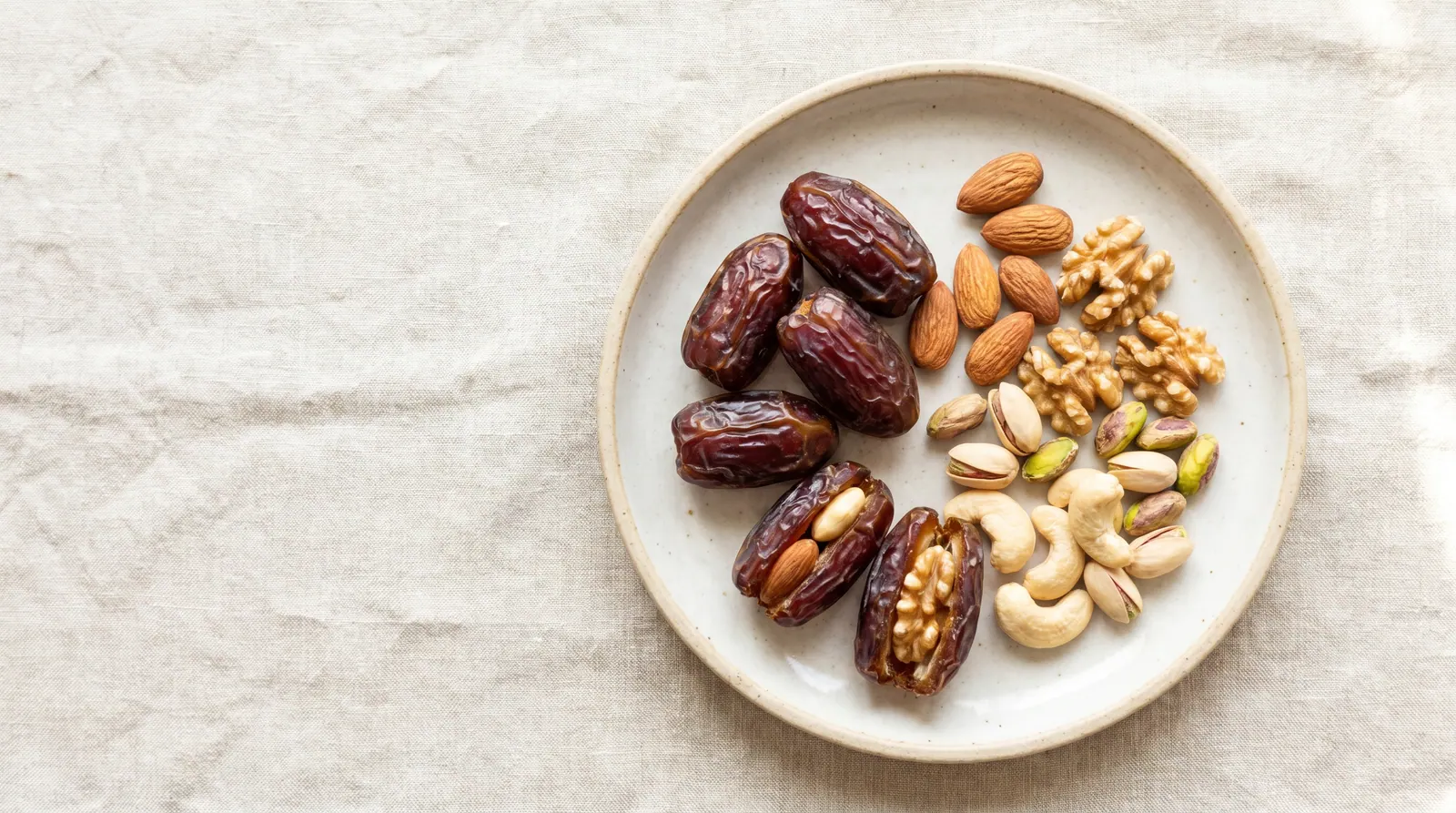
Practical application: Ensure each meal has a protein source like eggs, yogurt, chicken, fish, or legumes, and healthy fats like olive oil, nuts, or tahini. A date with a handful of almonds is much gentler on blood sugar than a date alone. Yogurt with breakfast softens the impact of bread.
Glycemic Load vs. Glycemic Index
The Glycemic Index (GI) measures how quickly a specific food raises blood sugar compared to glucose, but it doesn't account for the actual quantity consumed. Glycemic Load (GL), however, multiplies the GI by the amount of carbohydrates in a realistic serving, providing a more accurate picture. The classic illustrative example is watermelon, which has a high GI and might seem alarming, but a typical serving contains few carbohydrates, resulting in a low GL and thus a minimal real-world impact.
The practical rule: don't judge a food solely by its index; consider the portion size. A moderate slice of watermelon is fine, but a large serving of rice has a high GL even if its GI is moderate. Monitor quantity and composition, not just the name.
The Impact of Food Order in Numbers
Here's a comparison of results from two controlled crossover studies, demonstrating how consuming vegetables and protein before starch reduces the area under the glucose curve after a meal, using the same meal without changing calories:
These represent acute effects from single-meal studies on small samples. The long-term impact of food order on HbA1c is less certain, as a sixteen-week trial showed no significant difference in long-term control.
Walking After Meals: A Free Nutritional Medicine
Simple movement after a meal consumes some of the glucose in the muscles, thus lowering its peak. In a study on people with type 2 diabetes, fifteen minutes of moderate walking after a meal clearly reduced subsequent blood sugar levels. Another study found that three short bouts of fifteen minutes each after every meal improved 24-hour control in older adults at risk, and that walking after dinner was more effective than walking before.
The reason is that working muscles draw glucose from the blood to fuel themselves. The practical application is easy: instead of resting after lunch, take a ten to fifteen-minute walk, even if it's indoors or around the neighborhood.

Vinegar with Starchy Meals
Adding vinegar to a starchy meal can lower the subsequent blood sugar spike. A meta-analysis combining several trials concluded that vinegar significantly calms post-meal blood sugar. The reason is that it slows stomach emptying and slightly slows starch digestion, allowing sugar to reach the bloodstream more gradually. An important note: commercial vinegar tablets do not provide the same effect as liquid vinegar.
Dates in the Saudi Context
Dates are an integral part of our culinary culture, and the good news is that they have a low glycemic index. In a Gulf study on five varieties, the GI values ranged from about 46 to 55 in healthy individuals and were similar in diabetic subjects, with no significant sharp rise observed in diabetics within a balanced diet. The mechanism involves the fiber and fructose in dates slowing absorption relatively.
However, quantity matters, i.e., the glycemic load. A handful of dates alone can raise blood sugar. One or two dates with a handful of nuts or a cup of yogurt are much gentler than several dates eaten individually. This aligns with the principle of breaking the fast with a date followed by a balanced meal, rather than excessive sweets.
Diabetes and Prediabetes: Why It Matters to You
Prediabetes is a condition where blood sugar levels are higher than normal but not yet at diabetic levels. It's an early warning sign that can be reversed with diet and exercise before it progresses to diabetes. This condition is more common than we think: a large Saudi review indicates that about a quarter of adults have prediabetes, and it's more prevalent among men. A survey in Jeddah estimated that about one in eight adults actually have diabetes. This means it's not a distant problem but close to many tables.
The good news is that the habits described in this guide—food order, fiber, protein, and walking—are particularly beneficial for this group. However, a crucial caveat: lowering the wave in a single meal is one thing; improving long-term blood sugar is another, achieved only through consistent adherence. One experiment lasting sixteen weeks showed no significant difference in long-term control when only food order was applied. Therefore, consider these daily, ongoing habits, not one-time fixes.
The Ramadan Table and Stable Sugar
Ramadan offers an opportunity to apply these principles. At Iftar, starting with one or two dates, followed by soup and vegetables before the main dish, calms the post-fasting sugar wave. It's advisable to delay sweets slightly after Iftar. For Suhoor, a low-GI meal rich in fiber and protein—such as oats, eggs, yogurt, legumes, and whole wheat bread—helps maintain stable blood sugar throughout the fasting day and reduces early hunger, following the same principle of slowing absorption.
Make Suhoor a slow-digesting meal, not one high in fast sugars. Break your fast gradually, and take a short walk after Iftar instead of immediately resting. These are common, comfortable practices based on the physiological principle of slowing absorption, not on specific, controlled Ramadan studies.
Five Common Myths About Blood Sugar and Food
Misinformation about blood sugar can confuse people. Here are the most common myths and what the evidence suggests:
"Dates are strictly forbidden for diabetics."
"Fruit and its juice are the same."
"High GI foods are always harmful."
"Resting after eating is best."
"The same calories mean the same effect."
Practical Tips to Apply to Your Table Today
Here's a summary of the article in actionable steps, starting with your next meal without dieting or deprivation:
- Arrange Your Plate in This Order: Vegetables and salad first, then meat, chicken, fish, or legumes, and leave rice and bread for last. For Kabsa, start with the meat and salad, then the rice. Order alone calms the sugar wave without reducing the portion.
- Don't Eat Starch Alone: Ensure every main meal includes a source of fiber and protein, so no plain bread or rice. Pair bread with yogurt or eggs, and rice with plenty of meat and salad.
- Shop for Fiber: Choose whole wheat and bran bread over white, and fill your basket with lentils, chickpeas, beans, and vegetables. These are slower to raise blood sugar and provide longer satiety.
- Walk After Eating, Not After Resting: Take ten to fifteen minutes of light walking after your meal, even if it's around your home or neighborhood. Walking after dinner is particularly effective.
- The Busy Schedule Hack: If you don't have time for balanced cooking, focus on the single most powerful rule: serve vegetables and protein before starch. It's a step that costs nothing.
- Whole Fruit, Not Juice: A whole apple is much gentler on your sugar than a glass of apple juice because its fiber and water slow absorption. The rule: eat your fruit, don't drink it.
- Pair Dates, Don't Eat Them Alone: One or two dates with a handful of almonds or a cup of yogurt are much gentler than several dates eaten alone. This is the logic behind breaking the fast in Ramadan: a date followed by a balanced meal, rather than excessive sweets.
- Monitor Portions, Not Just Names: Quantity makes more of a difference than the type of food. A large plate of rice will raise blood sugar even if the food seems "healthy." Look at your starch portion size before worrying about its name.
- What to Tell Your Doctor: If you are taking glucose-lowering medication and plan to adopt these habits, inform your doctor, as medication dosage adjustments may be necessary, especially before fasting during Ramadan. These are supportive habits, not replacements for medication or follow-up.
EEINA's Protocol for Calming the Sugar Wave
An actionable plan combining the above into three progressive layers. Start layer by layer and note your response to understand what works best for you.
This protocol is based on controlled food order studies, post-meal walking experiments, vinegar use, and a balanced diet.
Arrange Your Bites
Four habits at the table.
Move the Wave
Steps to lower the peak.
Make It a Lasting Habit
Consistent adherence, not a temporary campaign.
Golden Rule: The goal isn't carbohydrate restriction, but calming their wave. Arrange, move, and adhere; the effect comes from habit, not a single step.
Frequently Asked Questions
Is food order alone enough to manage diabetes?
How long should one walk after eating for it to be beneficial?
Should I start with salad or protein?
Are dates safe for diabetics during Ramadan?
What is the practical difference between glycemic index and glycemic load?
Start Your Next Step with EEINA
Meal Plans to Calm Sugar Waves
Saudi recipes arranged to calm post-meal sugar, with balanced fiber and protein.
Get Your Plan →Calculate Glycemic Load
Understand your plate's real impact with Glycemic Load, not just the index.
Try It →The EEINA App
Organizes your meals, reminds you to walk after eating, and tracks your habits day by day.
Download →