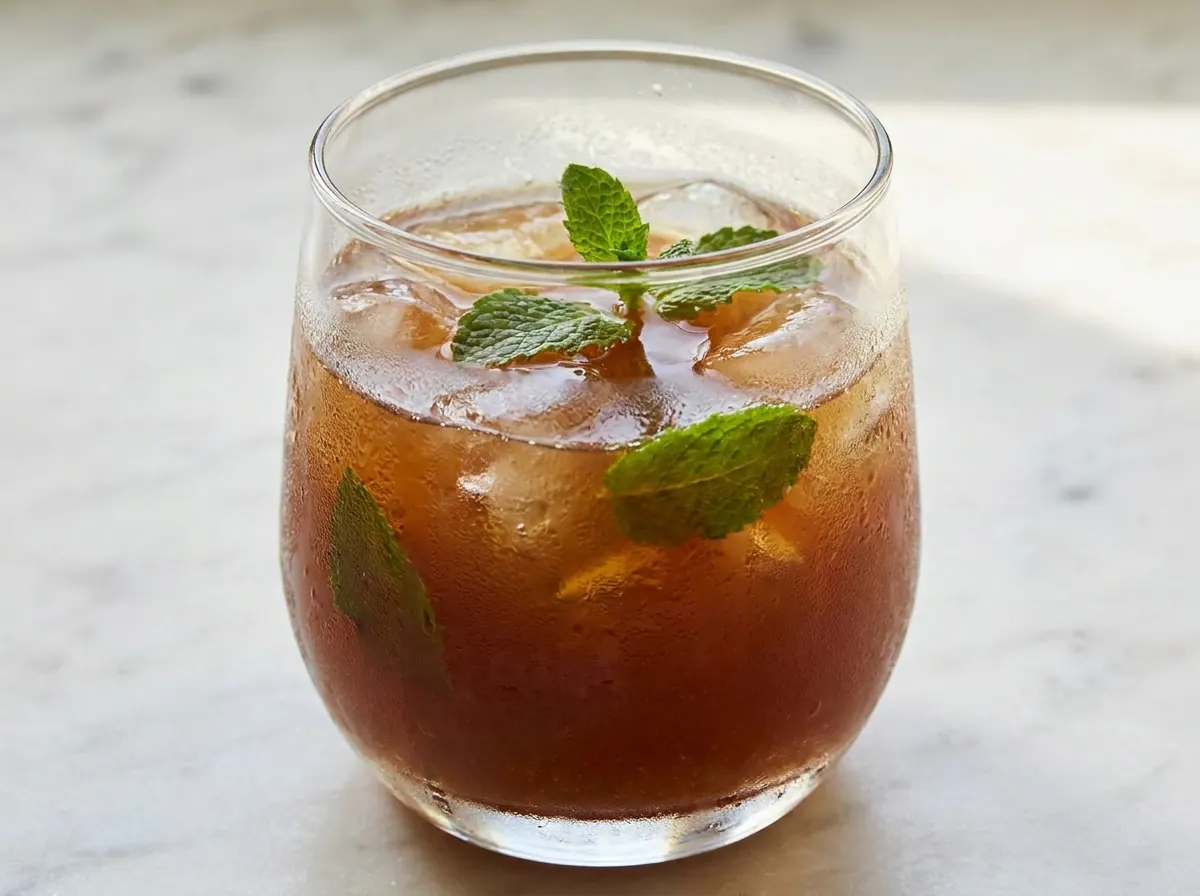
A traditional, refreshing Ramadan beverage made by soaking tamarind pulp, straining, and lightly sweetening. A tart, refreshing drink served cold after Iftar, and a good source of potassium.
Sources: USDA · SFDA · Sydney University · our methodology · Updated
The Story Behind This Drink
Tamarind drink is an ancient, popular beverage in the Levant and Egypt, prepared by soaking tamarind pulp in water, then straining and lightly sweetening it. Its refreshing tartness makes it a favorite Ramadan drink, served cold after Iftar alongside Qamar al-Din, Sobia, and Jallab.
Its natural sour taste comes from the organic acids in the fruit, primarily tartaric acid. Since it's a naturally sweetened drink, it's best to account for its sugar content within your daily intake, or prepare the lighter version with half the amount of sugar.
Preparation Steps
Soak the Pulp
Soak the tamarind pulp in about ½ liter of warm water for 15 to 20 minutes until completely softened, or in cold water for several hours for a deeper flavor.
20 min
Rub the Pulp
Rub the pulp with your hand or the back of a spoon in the water until the sticky flesh separates from the seeds and fibers.
3 min
Strain
Strain the mixture through a fine sieve or a clean cheesecloth, pressing the pulp to extract as much flavor as possible, then discard the seeds and fibers.
3 min
Adjust Volume
Add water until the total volume is about 1 liter. Adjust the consistency to your liking; use less water for a thicker drink.
1 min
Sweeten
Add sugar gradually and stir until dissolved. Taste and add only a little more, depending on the tamarind's tartness. For a lighter version, use only half the amount.
2 min
Flavor and Balance
Add a splash of rose water and a little lemon juice, if desired, to balance the flavor between tartness and sweetness.
1 min
Chill and Serve
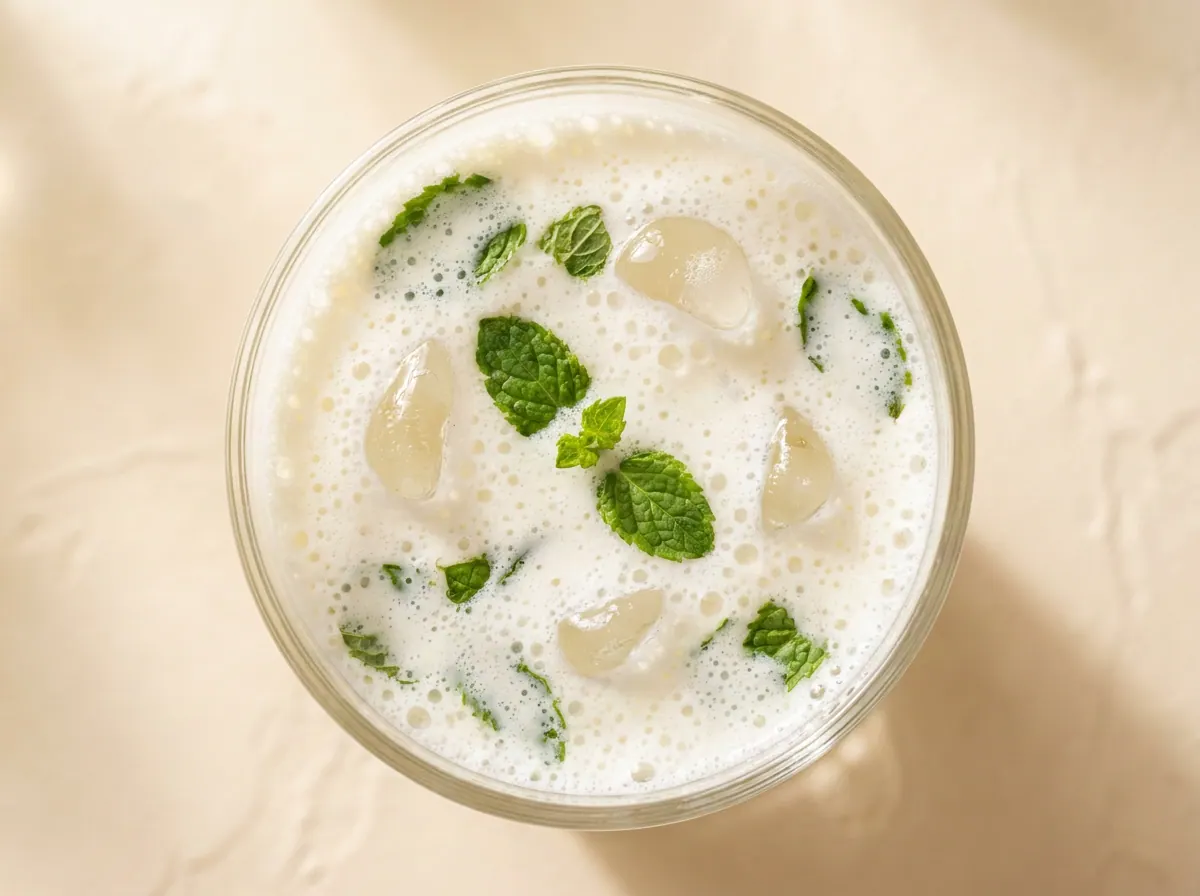
Chill the drink in the refrigerator and serve over ice cubes with fresh mint garnish.
To taste
Impact on Blood Sugar
The Glycemic Index (GI) measures how quickly blood sugar rises after consumption, and the Glycemic Load (GL) measures the magnitude of the rise for a full serving. Both readings together provide a complete picture of this sweetened beverage.
Glycemic Index
GI
55Low
Low0–55Medium56–69High70+
Tamarind pulp alone has a low GI. However, added sugar raises the estimated GI of the sweetened drink to the upper low range (≈55). This is an estimated value based on ingredients, not a direct laboratory measurement of the drink itself.
Glycemic Load
GL
15Medium
Low0–10Medium11–19High20+
The medium GL (15) reflects a full serving of the sweetened drink. For a lower GL: the lighter version with half the sugar reduces the load to a low range, or serve it with a meal containing protein and fiber.
Nutritional Information
Per CupUSDA + University of Sydney Calculation
Calories135 kcal
Carbohydrates28 g
Sugars26 g
Fiber1 g
Protein1 g
Fat0 g
Disclaimer: Most of the sugars in a traditionally sweetened cup are added sugars (sucrose), not fruit sugars, as the drink is naturally sweet like other Ramadan beverages. The lighter version with half the sugar reduces the sugars to about 18 to 20 grams per cup. The drink is a good source of potassium from the tamarind pulp, while most fiber is lost during straining and it's not considered a significant source of fiber.
Troubleshooting
Here are the most common issues encountered when preparing tamarind drink for the first time, with simple solutions based on common Levantine-Egyptian culinary experience.
The drink is too tart and astringent
Tamarind is naturally very tart, and the level of tartness varies between blocks and brands. To balance: add sugar gradually, tasting after each spoonful. You might need up to six tablespoons per liter instead of four. A splash of rose water can soften the astringency without increasing sweetness.
The drink is too thick, like concentrated juice
The ratio of pulp to water is too high, or it hasn't been diluted enough. Tamarind is very concentrated. After straining, add water until the total volume is about 1 liter per 150g of pulp. If it remains too thick, add cold water gradually until it reaches a drinkable consistency, not a syrup.
There are remaining granules and fibers in the cup
The straining was not fine enough. Strain twice: first with a regular sieve to remove seeds, then with a very fine sieve or clean cheesecloth for fine particles. Press the pulp to extract flavor, then discard it completely.
The pulp did not soften and remained solid
The water was too cold, or the soaking time was too short. Solid blocks need warm water and at least fifteen minutes to soften, or cold soaking for several hours. If it remains solid, mash it with the back of a spoon in warm water and wait a bit before rubbing and straining.
The sugar did not dissolve well and settled at the bottom
Sugar was added to a cold drink. Sugar dissolves faster in room temperature or slightly warm liquid. Stir until completely dissolved before chilling, or prepare a simple syrup by dissolving sugar in a little warm water, then add it to the drink.
Storage and Make-Ahead
Refrigerator (4°C / 40°F)
Prepared Drink: Three to four days in a covered pitcher or airtight bottle. Shake before serving as some pulp may settle.
Serving: Add ice and mint just before serving, not beforehand, to prevent the drink from becoming diluted and the mint from wilting.
Freezer (-18°C / 0°F)
You can freeze the strained, unsweetened concentrate in ice cube trays for up to two weeks. Thaw the cubes and dilute/sweeten as needed. This is useful for preparing Ramadan batches in advance.
Make-Ahead
Strained Concentrate: Prepare one day ahead and store in the refrigerator without sweetening.
Sweetening and Diluting: One hour before serving, to adjust sweetness to your guests' taste.
Chilling: At least two hours in the refrigerator before serving cold.
Serving
Serve cold over ice. Do not leave sweetened drink at room temperature for more than two hours, especially in hot weather, to prevent flavor degradation.
Tested Ingredient Substitutions
Note: Tamarind drink is based on the tart fruit pulp; the core ingredient cannot be substituted. The following are tested methods to adjust sweetness or flavor, suitable for those seeking a lower-sugar version or a different aromatic touch.
Original Ingredient
Tested Substitution
Ratio
Taste Difference
White Sugar
Low-calorie sweetener
According to package instructions
Fewer calories, suitable for sugar-conscious individuals, with a slight difference in the depth of sweetness
Full amount of Sugar
Half the amount (lighter version)
Half the amount
More pronounced tartness and milder sweetness, lower glycemic load
Rose Water
Orange Blossom Water
Same amount
Citrusy floral aroma instead of rose aroma
Tamarind Pulp (block)
Ready-made tamarind paste
Half the amount, as it's more concentrated
Faster preparation, ensure it's free of added sugar or pre-sweeteners
Garnish with Mint
Thin lemon slices
As desired
A refreshing citrus note instead of the herbal coolness of mint
How Much Do You Need? Scaling Guide
Tamarind drink is versatile, from a small pitcher for family Iftar to a large batch for a Ramadan gathering. The constant rule when scaling is: for every 150g of pulp, use about 1 liter of water. Sugar is added to taste, as tamarind tartness varies.
Number of Cups
Tamarind Pulp
Water
Sugar (Approximate)
2 (Small pitcher)
75 g
½ liter
2 to 3 tbsp
4 (Standard)
150 g
1 liter
4 to 6 tbsp
8 (Large family)
300 g
2 liters
8 to 12 tbsp
12 (Ramadan gathering)
450 g
3 liters
12 to 18 tbsp
For large batches: prepare the strained concentrate first, then dilute and sweeten in two stages, tasting as you go. The pulp's tartness varies, and it's hard to correct over-sweetening.
EEINA Nutrition Tip
Sugar is the key factor: Tamarind pulp itself is low in calories and GI. The added sugar is what increases the drink's glycemic load. Start with the minimum amount of sugar that balances the fruit's tartness. The lighter version moves the cup from medium to low GL without losing the spirit of the Ramadan drink.
Add This Recipe to Your Plan
The EEINA app saves your favorite recipes, builds a smart shopping list, and tailors your plan to your goals. Start free, no credit card.
It's available at spice shops, health food stores, and major supermarkets, either as a packaged block or ready-made paste. The block is cheaper and requires soaking, while the paste is faster and more concentrated.
Is it suitable for diabetics?
The traditionally sweetened drink is high in added sugar. For those monitoring blood sugar, a lighter version or sweetening with a low-calorie sweetener is recommended, along with portion control and accounting for it in your daily intake.
How long does it keep in the refrigerator?
Three to four days in a sealed bottle. Shake before serving, and add ice and mint only at the moment of pouring.
Why is it so tart?
The tartness is natural, derived from the organic acids in the tamarind fruit, primarily tartaric acid. This is the source of its refreshing taste. It's balanced with sugar or a little rose water, not eliminated.