How Zinc Guards Your Immunity
Zinc is an essential mineral involved in the function of hundreds of enzymes. It plays a pivotal role in the growth and normal function of immune cells, in addition to protein and DNA synthesis, wound healing, and the senses of taste and smell. Defense cells that fight microbes need zinc to divide, mature, and perform their functions; it's the guard's equipment, not a luxury.
Practically: Zinc is not a stimulant you swallow when you feel sick, but a foundation that remains present on your plate every day to keep your guard ready. When your intake is sufficient, your defenses work as they should. The first solution is always dietary: distribute zinc sources across your meals instead of waiting for emergencies.
Why Deficiency Weakens Your Defenses
When zinc levels decrease, immune cell growth and function slow down, weakening your ability to fight infections. Zinc deficiency has been linked to weakened immunity, as well as delayed wound healing, poor appetite, and loss of taste.
Practically: If you frequently get infections or notice slow wound healing with a low intake of meat, legumes, and nuts, zinc might be one of the contributing factors, but not the sole one. Don't jump to supplements; review your plate first, as most people can improve their intake with simple adjustments. True deficiency is assessed by a doctor, not your intuition.
Signs That May Indicate Zinc Deficiency
Symptoms of deficiency are often non-specific: poor appetite, dulled sense of taste or smell, delayed wound healing, frequent infections, and hair loss, in addition to diarrhea and mood changes in more obvious cases.
These symptoms overlap with many causes, so do not self-diagnose based on them alone. The practical rule: If you have a low intake of zinc sources combined with such symptoms, start by adjusting your diet and consult a doctor to assess the cause. Deficiency is confirmed by medical evaluation, not symptoms alone.
Do Your Symptoms Suggest Potential Deficiency? — Self-Check
This is a guiding self-check that combines indicators of low intake with non-specific symptoms and does not replace a doctor's assessment or laboratory tests. Select what applies to you:
How Much Do You Need Daily?
The recommended daily intake for adults is approximately 11 mg for men and 8 mg for women. Needs increase during pregnancy to about 11 mg and during lactation to about 12 mg.
These figures are easily covered by food: a piece of meat or poultry with a bowl of legumes and a handful of nuts or a tablespoon of seeds will bring you close to your daily requirement. The practical rule: Don't chase numbers with a supplement; aim for at least one animal source and plant-based sources in your day, as animal zinc is more absorbable.
Where to Find It in Your Food — Top Sources
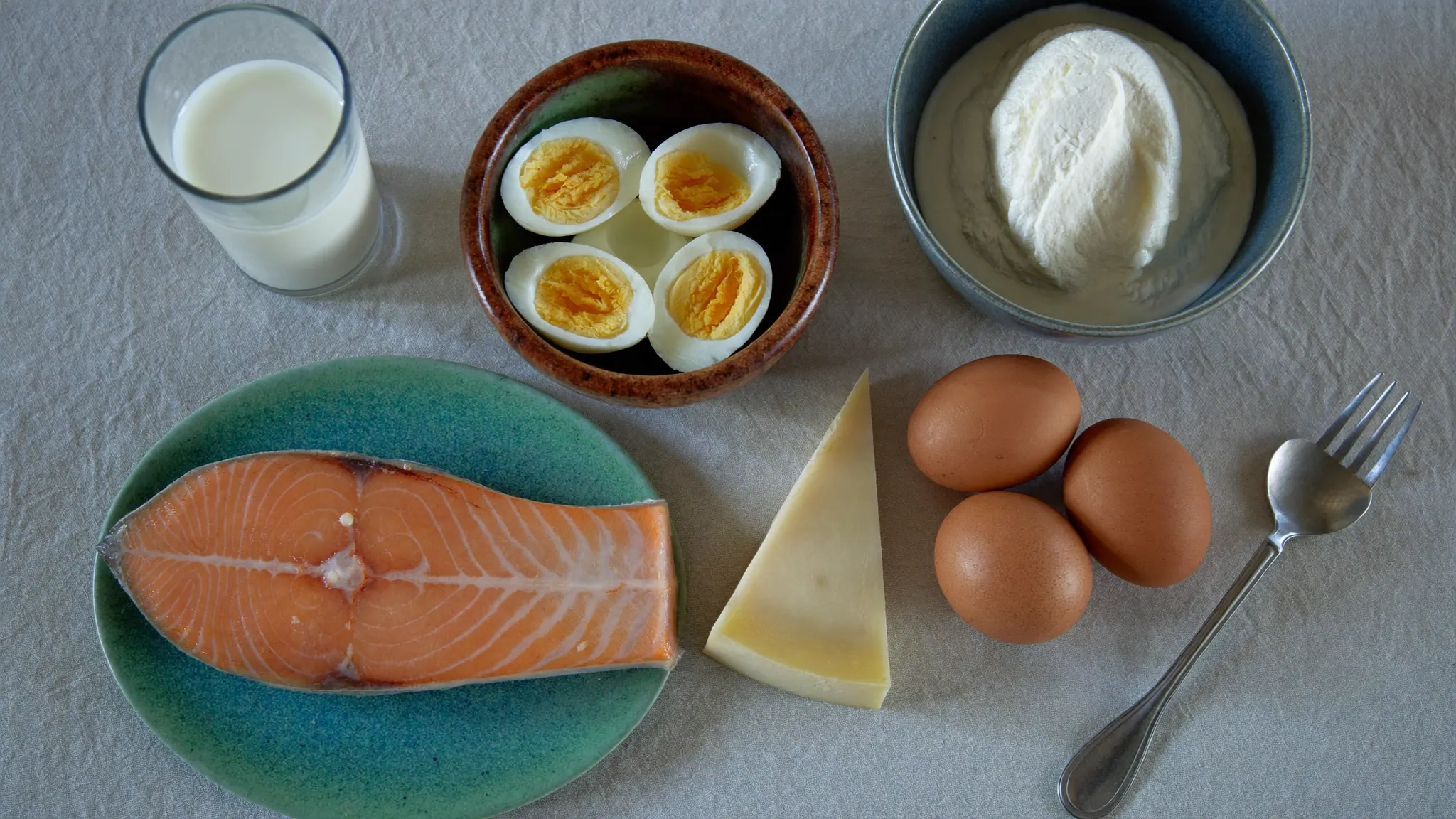
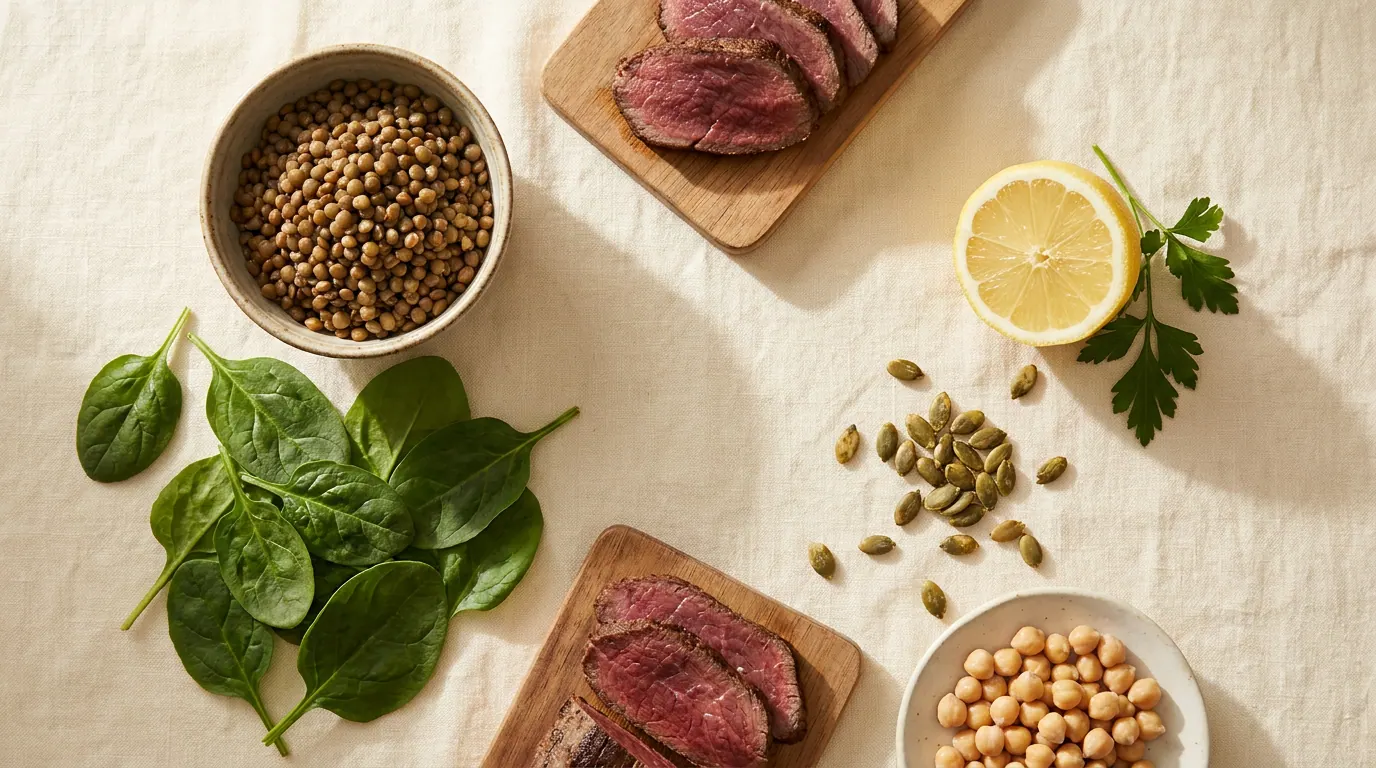
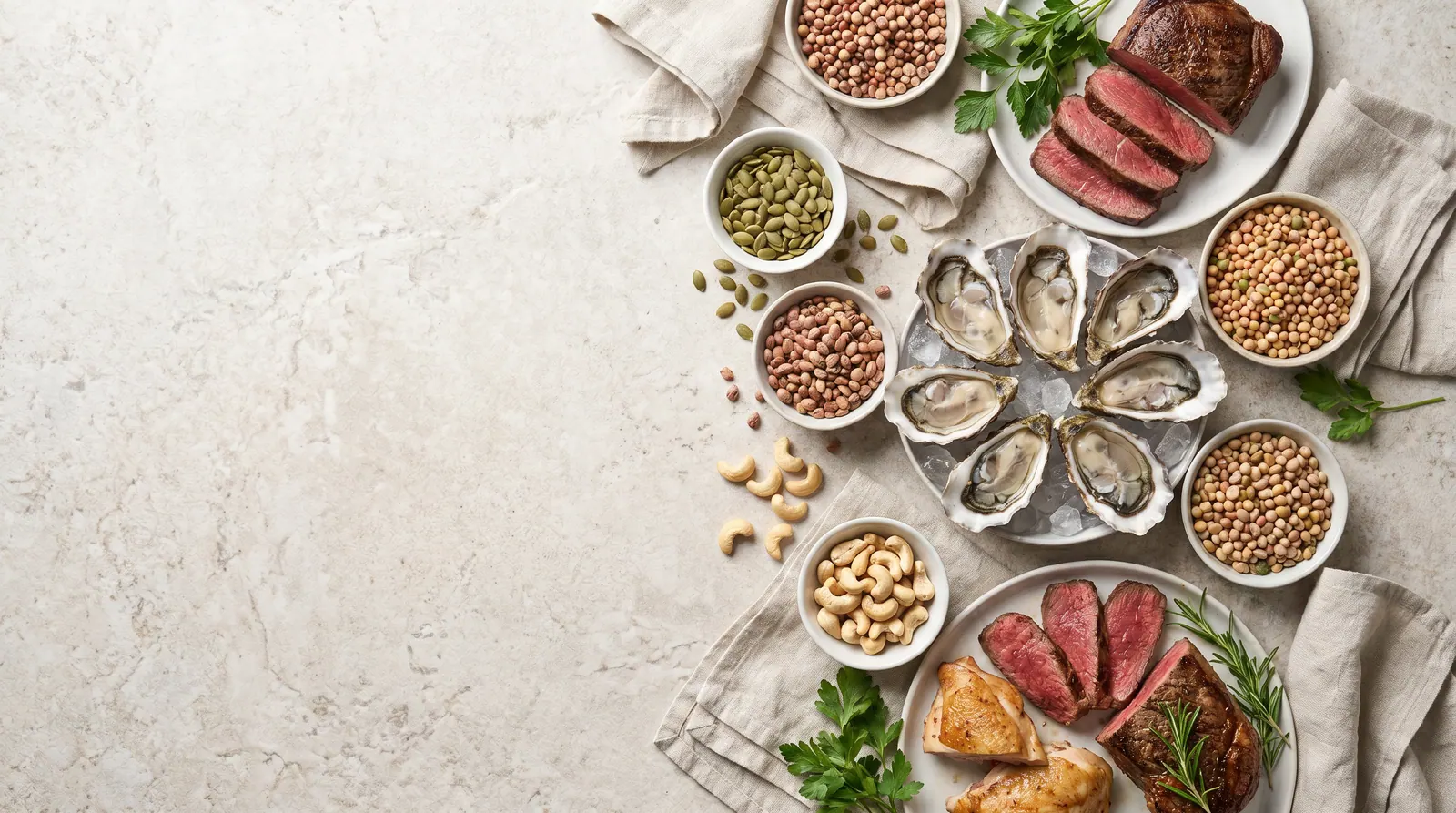
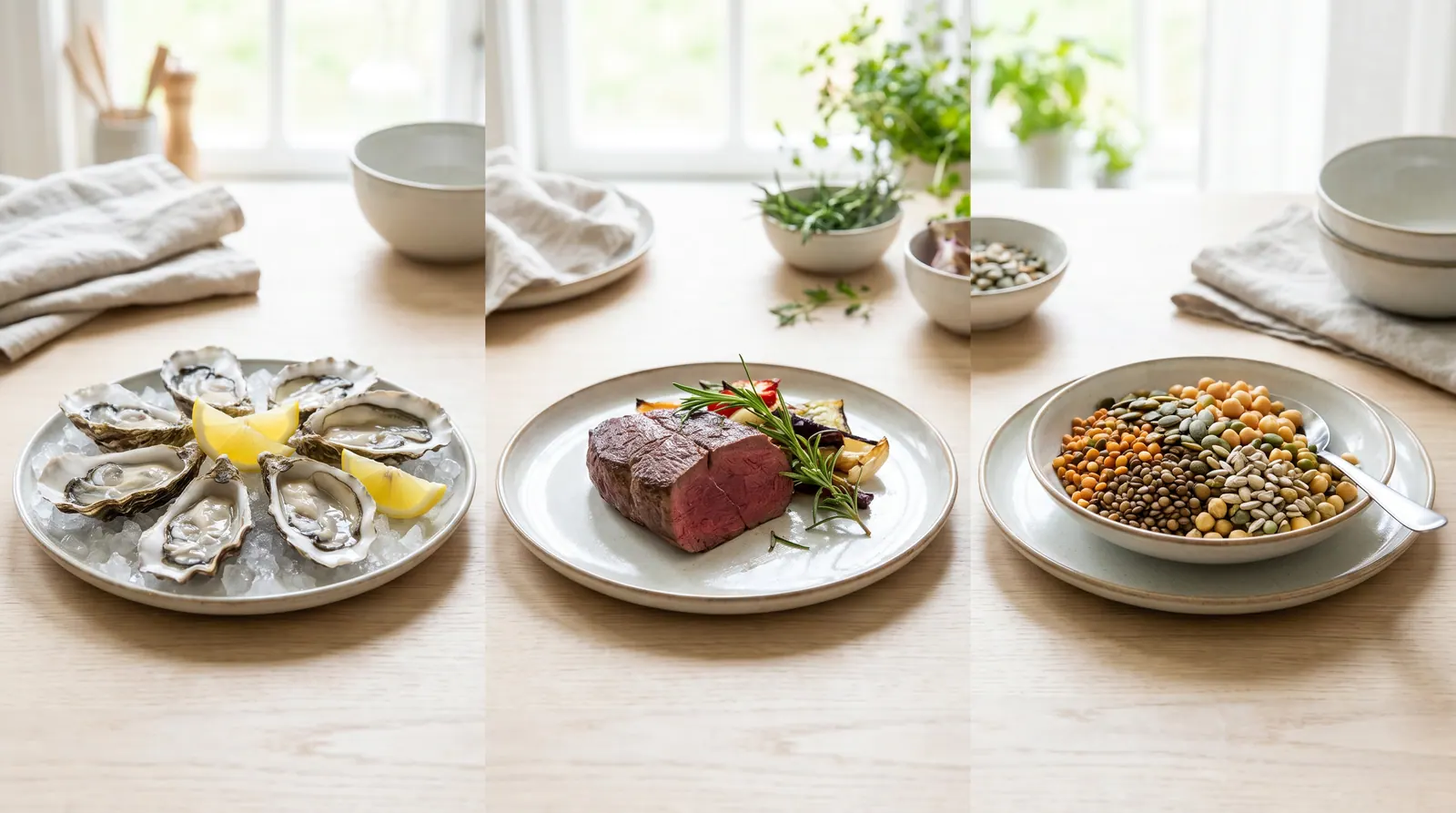
The richest sources are oysters and red meat, followed by poultry, legumes, nuts, seeds, and dairy. These are approximate values per serving based on published data:
Approximate values per serving based on published data, varying by quantity, type, and preparation.
| Source | Serving | Zinc |
|---|---|---|
| Oysters | 6 pieces | Approx. 33 mg |
| Crab | 100 g | Approx. 7.6 mg |
| Beef | 100 g | Approx. 4.8 mg |
| Hemp Seeds | 3 tbsp | Approx. 3 mg |
| Pumpkin Seeds | Handful | Approx. 2.5 mg |
| Dark Chicken Meat | 90 g | Approx. 2.4 mg |
| Cooked Chickpeas | 1 cup | Approx. 2 mg |
| Cashews | Handful | Approx. 2 mg |
| Yogurt | 1 cup | Approx. 1.6 mg |
| Cooked Lentils | 100 g | Approx. 1.3 mg |
| Cheddar Cheese | 28 g | Approx. 1 mg |
| Milk | 1 cup | Approx. 1 mg |
Practically: Include at least one animal source in your main meal and add legumes, nuts, and seeds throughout the day to approach your daily requirement. Note that phytates in legumes and whole grains reduce the absorption of plant-based zinc; therefore, soaking, fermentation, and sprouting help increase absorption.
Why the Saudi Plate Helps You Here
Our cuisine is rich in natural zinc sources without being costly: meats and poultry in Kabsa, Mandi, and daily dishes; chickpeas, fava beans, and lentils on tables; almonds, cashews, and pistachios as hospitality treats; and seeds and dairy. However, a national study of 3,432 Saudi adults found that 15.3% had zinc deficiency, with higher rates in women.
The practical message: Abundance in the market doesn't guarantee sufficiency on the plate if meals are dominated by white bread, refined rice, and fast food with low zinc content. Make sure to include an animal source in your main meal and incorporate legumes and nuts daily; this is simpler and cheaper than supplements.
Who is Most at Risk of Deficiency?
Certain groups are more prone to zinc deficiency than others, either due to low intake, poor absorption, or increased needs:
- Vegetarians and Semi-Vegetarians: Plant-based zinc is less absorbable due to phytates, and they may need a higher intake and attention to absorption-enhancing techniques.
- Individuals with Digestive System Diseases: Conditions that impair absorption or increase loss raise the risk of deficiency.
- Pregnant and Breastfeeding Women: Their zinc needs increase, and demand rises.
- Older Adults: They often have lower intake and weaker absorption, making them more susceptible to zinc deficiency.
- Alcohol Abusers: Zinc absorption decreases, and excretion increases.
Practically: If you fall into these categories, be more mindful of zinc sources in your diet and consult your doctor to assess your needs before taking any supplements, as needs vary from person to person.
The Truth About Zinc and Colds
The idea that zinc treats colds has become widespread, but the evidence is less conclusive than often promoted. A major systematic review of zinc trials for cold prevention and treatment found that zinc may not make a significant difference in preventing colds and might shorten symptom duration by about two days when used as treatment, but the confidence in the evidence is low to very low.
More importantly: The same review noted a potential increase in non-serious side effects with treatment, most notably stomach upset and taste disturbances. Practically: Do not rely on zinc as a substitute for standard prevention, and do not swallow high doses at every sneeze. Optimize your intake from food, and treat zinc as a supporting guard, not a quick cold remedy.
When a Supplement is an Option — Under Supervision
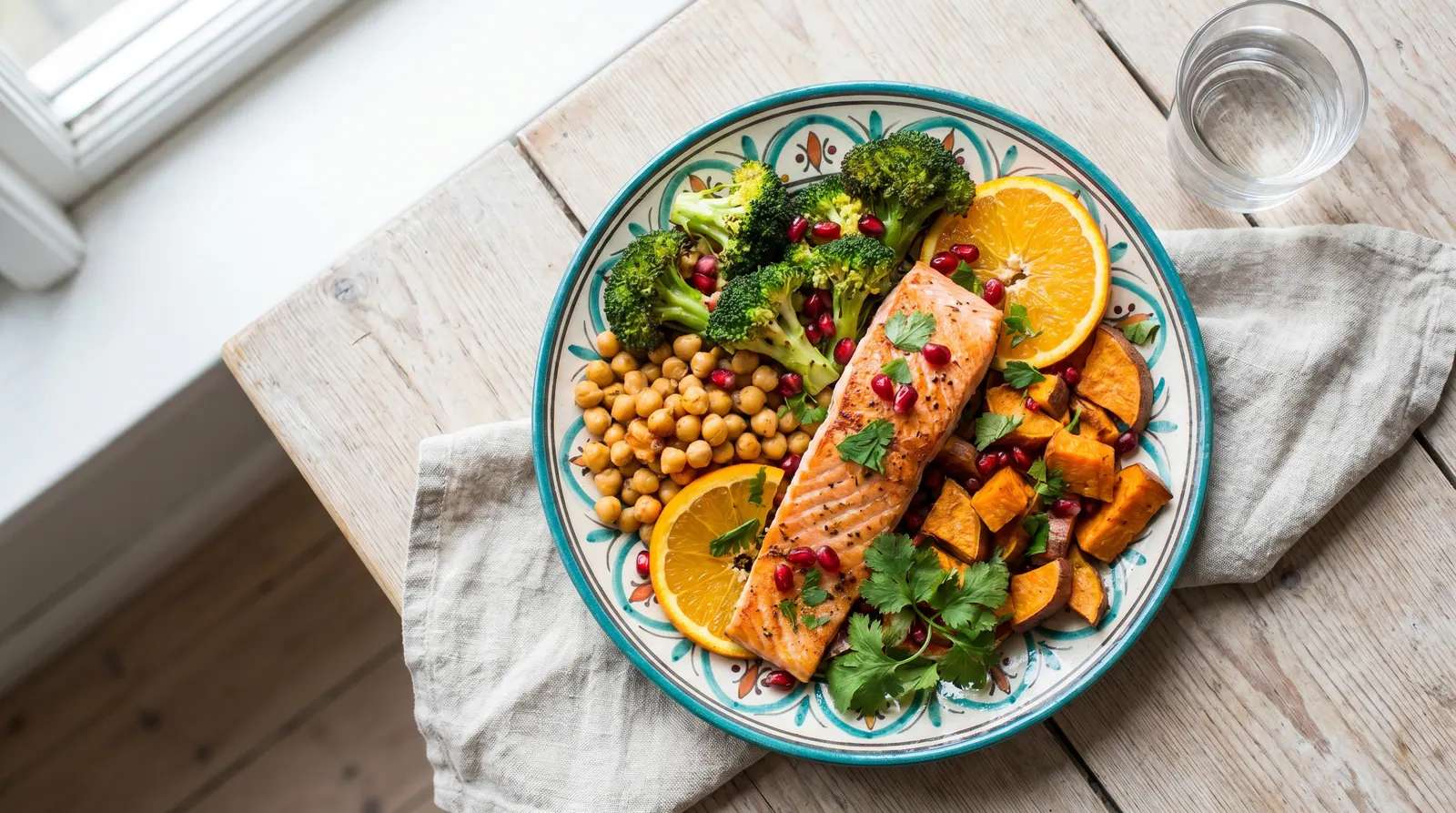
A supplement is not the first step. It is considered for confirmed deficiency, conditions causing loss or impaired absorption, and under medical supervision that assesses the need and dosage.
The strict rule: The maximum daily allowance for zinc in adults is 40 mg from all sources. Exceeding this for weeks can interfere with copper absorption, weaken immunity, and lower beneficial cholesterol. Therefore, high doses can backfire and harm immunity instead of strengthening it. Do not start a supplement with chronic medications or a health condition before consulting a doctor or pharmacist, as some medications can be affected by zinc or affect its absorption.
What the Science Actually Says
Science is clear on one point and vague on another. Clear: Zinc is essential for the growth and function of immune cells, and its deficiency weakens defenses; correcting deficiency is important,. Vague: That giving extra zinc to those without a deficiency leads to stronger immunity or reliably treats colds.
The systematic review of cold trials classified the quality of evidence as low to very low, indicating significant variation between studies. It concluded that current evidence is insufficient for a confident recommendation of zinc for prevention or treatment. The practical takeaway: Treat deficiency if present under supervision, fix your plate, and consider zinc a supportive factor for immunity, not a magic bullet for colds.
Five Common Myths About Zinc
Half-truths promising more than they deliver often circulate about zinc. Here are the most common ones, and what the evidence says:
"A zinc pill at the first sneeze banishes colds."
"The more zinc, the stronger my immunity."
"Symptoms alone are enough to diagnose zinc deficiency."
"Plant-based zinc sources are just as sufficient as animal sources."
"The abundance of meat and legumes in our cuisine means we get enough."
Practical Tips to Implement Today
Before diving into the full protocol, here are small guidelines from the core message that will boost your zinc and support your immunity without turning your life upside down:
- Include an animal source in your main meal. A piece of meat or poultry provides highly absorbable zinc and is a staple of the familiar Saudi plate, making it easy to adhere to.
- Add legumes, nuts, and seeds daily. Chickpeas or fava beans with a handful of cashews or a tablespoon of pumpkin seeds will increase your zinc from diverse sources without needing to track numbers.
- Soak legumes and whole grains. Soaking, fermentation, and sprouting reduce phytates and increase the absorption of plant-based zinc, which is significant for those relying on plant-based diets.
- Moderately substitute refined grains with whole grains. Replace some refined rice and white bread with whole grains to increase zinc intake along with other minerals, paying attention to soaking grains.
- Do not swallow a zinc dose at every cold. Evidence does not confidently support this, and it may be harmful. Let your food intake be the basis of your immunity.
- Pay extra attention to your diet if you are in a high-risk group. Vegetarians, older adults, and those with digestive issues need more care with zinc sources and should consult a doctor.
- Do not buy a supplement before fixing your plate. Even if needed, do not exceed 40 mg per day from all sources unless prescribed, and consult your doctor if you are on chronic medication.
- Monitor balance with copper. Chronic high doses of zinc interfere with copper. Do not take high-dose supplements long-term without supervision and monitoring.
EEINA's Protocol for a Zinc-Rich Plate and Stronger Immunity
An actionable plan combining the above into three progressive layers. Start layer by layer, and note your response to understand what works best for you.
The protocol is based on recommended daily allowances, food source values, and practical immunity evidence.
Meet Your Daily Needs from Your Plate
Four habits every day.
Attend to Your Specific Needs
If you are at higher risk.
Evaluate and Review Under Supervision
Before any supplement.
Golden Rule: The goal is not a pill to swallow at the first cold, but a plate that provides your daily needs throughout the day. Supplements are a last resort under supervision, not a first step, and excessive intake harms your immunity.
Frequently Asked Questions
Does zinc boost my immunity?
How much zinc do I need daily?
Does zinc treat the common cold?
Are vegetarians more prone to zinc deficiency?
When should I take a zinc supplement?
When to Consult a Doctor — Red Flags
Zinc is a supportive factor in most cases, but certain symptoms go beyond it and require prompt medical evaluation:
- Recurrent or severe infections beyond the usual, which do not improve with dietary adjustments.
- Significant delay in wound healing or non-healing sores that require cause assessment.
- Persistent loss of taste or smell or prolonged poor appetite without a clear reason.
- Noticeable hair loss or chronic diarrhea with poor dietary intake.
- Malabsorptive digestive disease, pregnancy, lactation, or chronic medications before starting any zinc supplement.
- Symptoms of zinc excess from supplements: nausea, stomach upset, or general weakness with chronic high doses.
Start Your Next Step with EEINA
Zinc-Rich Meal Plan
Saudi recipes that combine animal sources, legumes, and nuts into your daily meals to support your immunity from your plate.
Get Your Plan →Meat, Legume, and Nut Recipes
Easy ideas to incorporate meat, legumes, nuts, and seeds into your plate without tracking numbers.
Explore →EEINA App
Tracks zinc sources in your day, balances your plate between animal and plant sources to support your immunity.
Download →