Turmeric vs. Curcumin: What's the Difference?
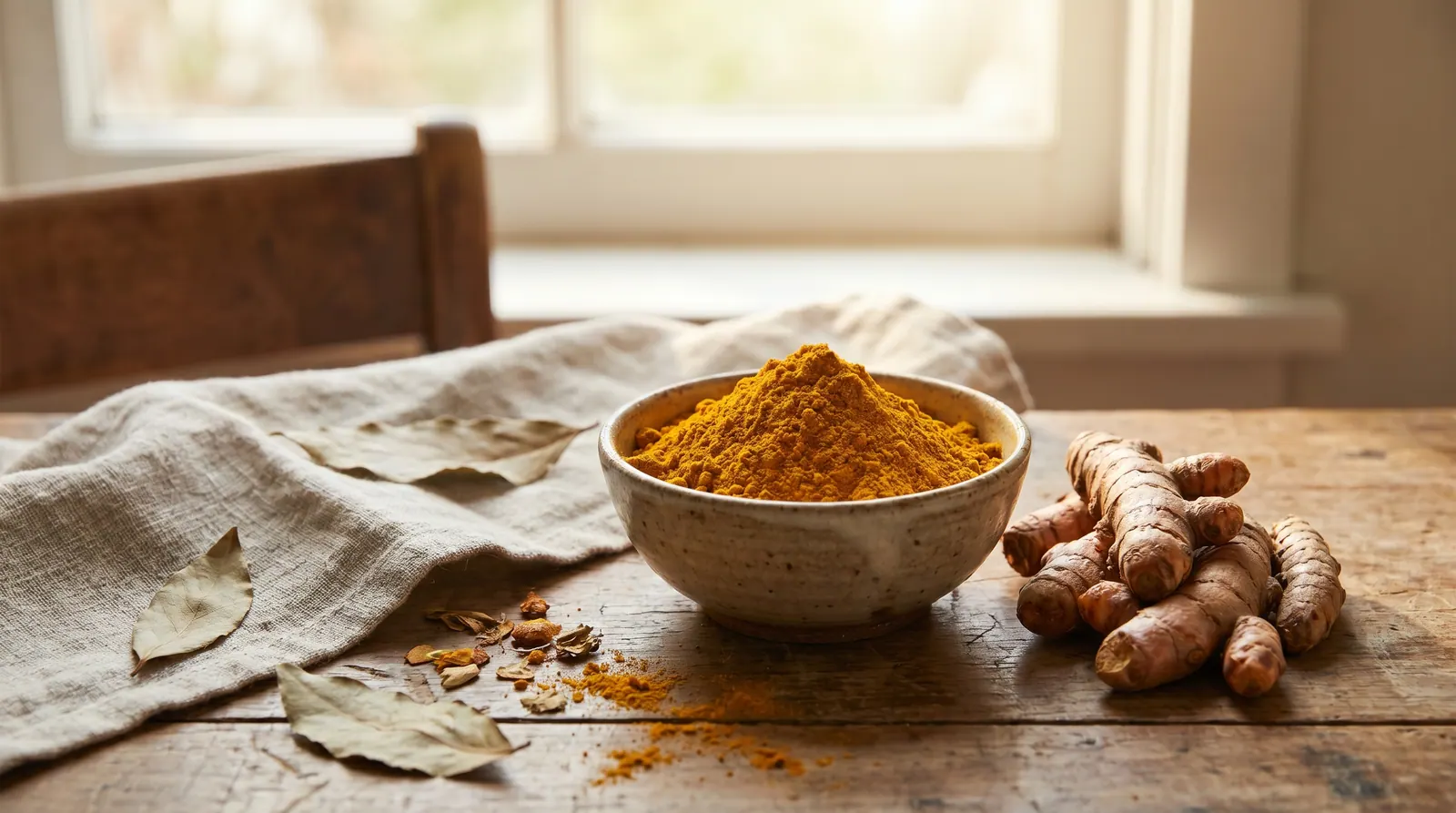
Many confuse these terms, and the distinction is crucial for understanding everything that follows. Turmeric is the yellow root, or the ground spice we know in our cuisine. Curcumin, on the other hand, is the active compound that gives turmeric its yellow color and is the star of most studies.
The practical paradox: a spoonful of turmeric in your cooking contains only a small amount of curcumin. Therefore, when you read about a 'study finding a benefit for curcumin,' it likely used a concentrated extract at high doses, far removed from a pinch of turmeric on rice. Do not assume the benefit of a concentrated supplement applies to the spice in your dish; this is the first exaggeration to watch out for.
Why Is Curcumin Absorption So Poor?
Here's a fact often overlooked by advertisements: curcumin is extremely poorly absorbed. When you consume it, it's rapidly broken down in the liver and intestines through metabolism, and most of it is excreted before it reaches the bloodstream in a significant amount. This is why the supplement industry constantly seeks ways to increase its presence in the body.
Practically, this means the amount of curcumin that actually reaches your blood from a regular spoonful of turmeric is modest. This is one reason for the gap between the impressive results in lab dishes, where curcumin directly contacts cells, and the underwhelming results in the human body. Poor absorption isn't a minor detail; it's the core of the entire story.
Black Pepper & Fats: How They Enhance Absorption
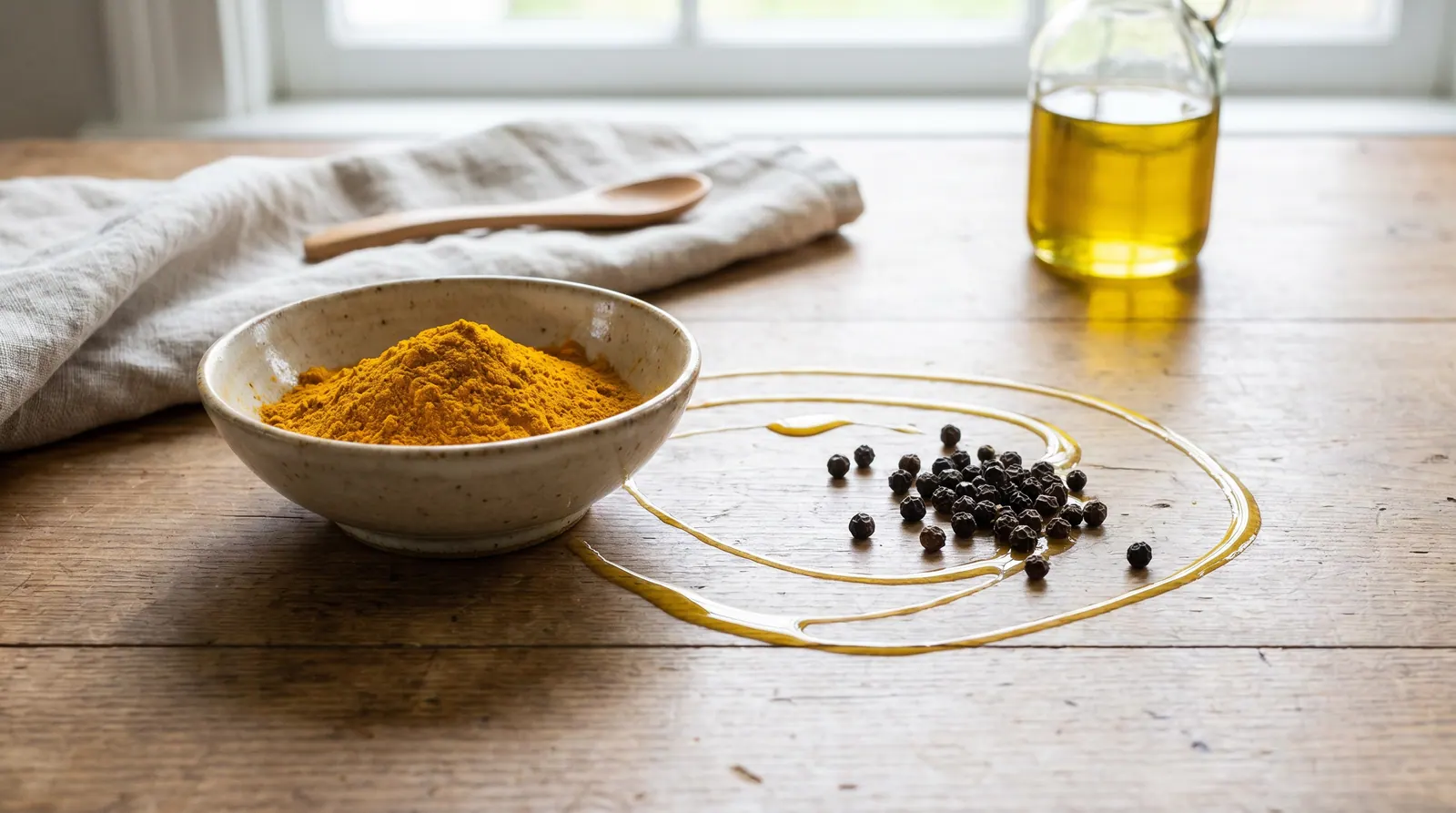
The encouraging news is that our traditional cuisine, unknowingly, addressed part of the problem. Piperine, a compound in black pepper, slows down the breakdown of curcumin in the liver and intestines, giving it more time to be absorbed. In one pharmacological study, the half-life of curcumin increased from about 2.2 hours alone to about 4.5 hours with pepper, and its excretion in urine over 24 hours increased from about 49 micrograms to about 218 micrograms, nearly fourfold.
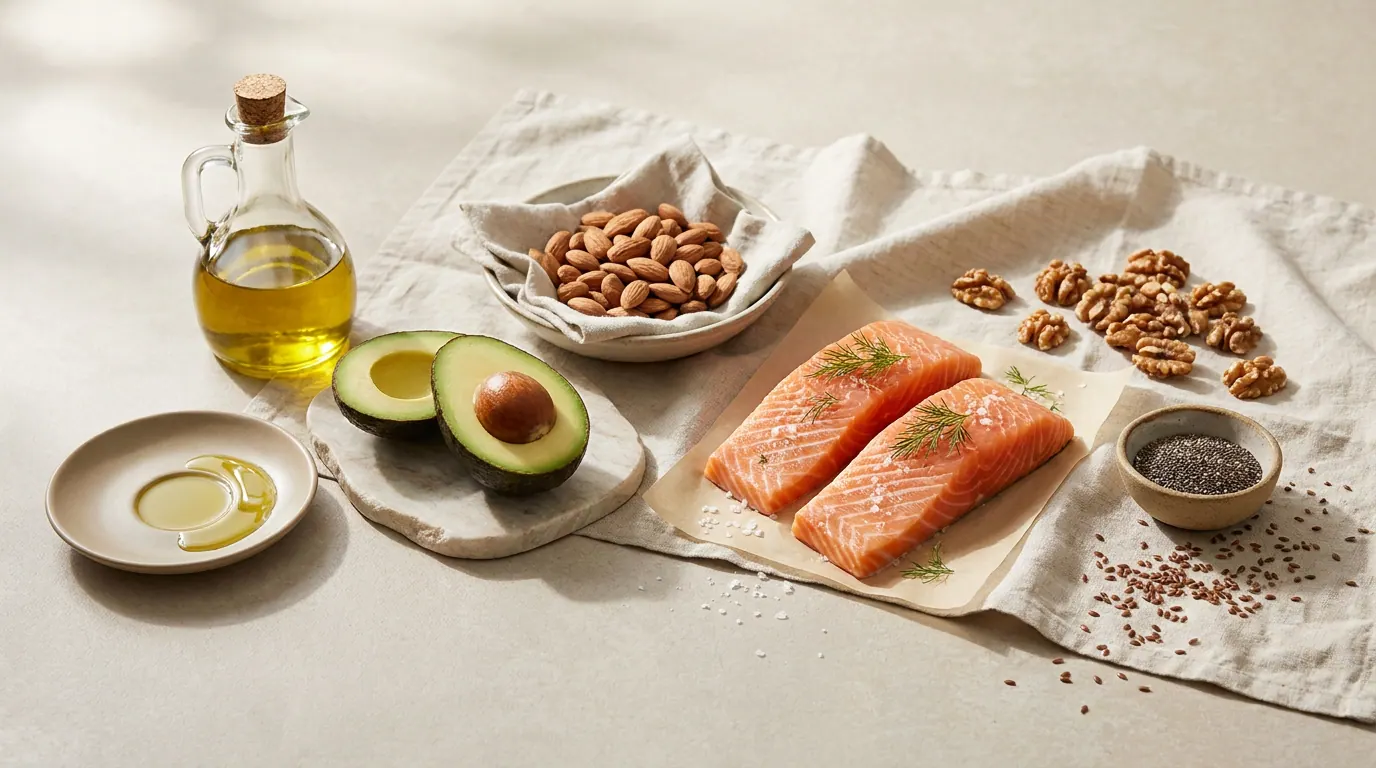
Curcumin is fat-soluble, not water-soluble. Therefore, consuming it with a healthy fat source, such as olive oil, ghee, or nuts, also aids its absorption. The practical rule in the kitchen: when using turmeric, pair it with a pinch of black pepper and a little healthy fat. This way, you get the most out of a delicious spice without illusions of therapeutic doses.
Self-Check: Are Your Turmeric Expectations Realistic?
This is a guiding self-assessment to help you gauge the realism of your expectations about turmeric. It does not replace consulting a doctor. Select what applies to you:
Turmeric & Inflammation: What Does the Evidence Say?
The most common promise associated with turmeric is its anti-inflammatory effect. Early laboratory research does suggest that curcumin may have anti-inflammatory properties, fueling enthusiasm around it. However, the US National Center for Complementary and Integrative Health (NCCIH) states that the evidence is insufficient to support the use of turmeric supplements for inflammatory disorders.
Practically: what happens in a lab dish, where curcumin directly contacts cells at high concentrations, is one thing; what happens in your body after poor absorption is another. A laboratory signal does not equate to proven clinical benefit. So, don't expect turmeric to extinguish chronic inflammation; treat it as part of a balanced diet, not a reliable anti-inflammatory agent.
How Strong Is the Evidence, Really?
Let's be precise with numbers. A systematic review examined dozens of meta-analyses of curcumin interventions across various conditions, from lipids and blood pressure to markers of inflammation, joints, and mood. It found potential positive signals in many results, but the most important judgment was on the quality of this evidence.
The candid conclusion: approximately 83% of the results were rated as low to very low certainty, with only four studies (about 3%) achieving high certainty, and no articles rated as high quality. The authors concluded that findings remain uncertain for many diseases and that the quality of published studies needs improvement. Bottom line: the existence of 'studies' does not mean 'strong evidence,' and the difference is what advertisements often hide.
Why Turmeric Isn't a Cure for Diseases
Perhaps the most truthful statement in this guide is the NCCIH's declaration: we don't know enough to conclude that turmeric or curcumin is beneficial for any health purpose definitively, and most evidence for disease prevention comes from laboratory studies, with limited clinical research.
Even for joints, where signals are more optimistic, the NCCIH states that preliminary evidence is positive but higher-quality evidence is needed for definitive conclusions. Health authorities also warn against marketing natural products for disease prevention without sufficient scientific backing. The crucial practical message: do not abandon prescribed medication or postpone doctor visits based on turmeric. Make it a delicious addition to a healthy lifestyle, not a substitute for treatment.
Our Kitchen & Turmeric: Enjoy It As It Is
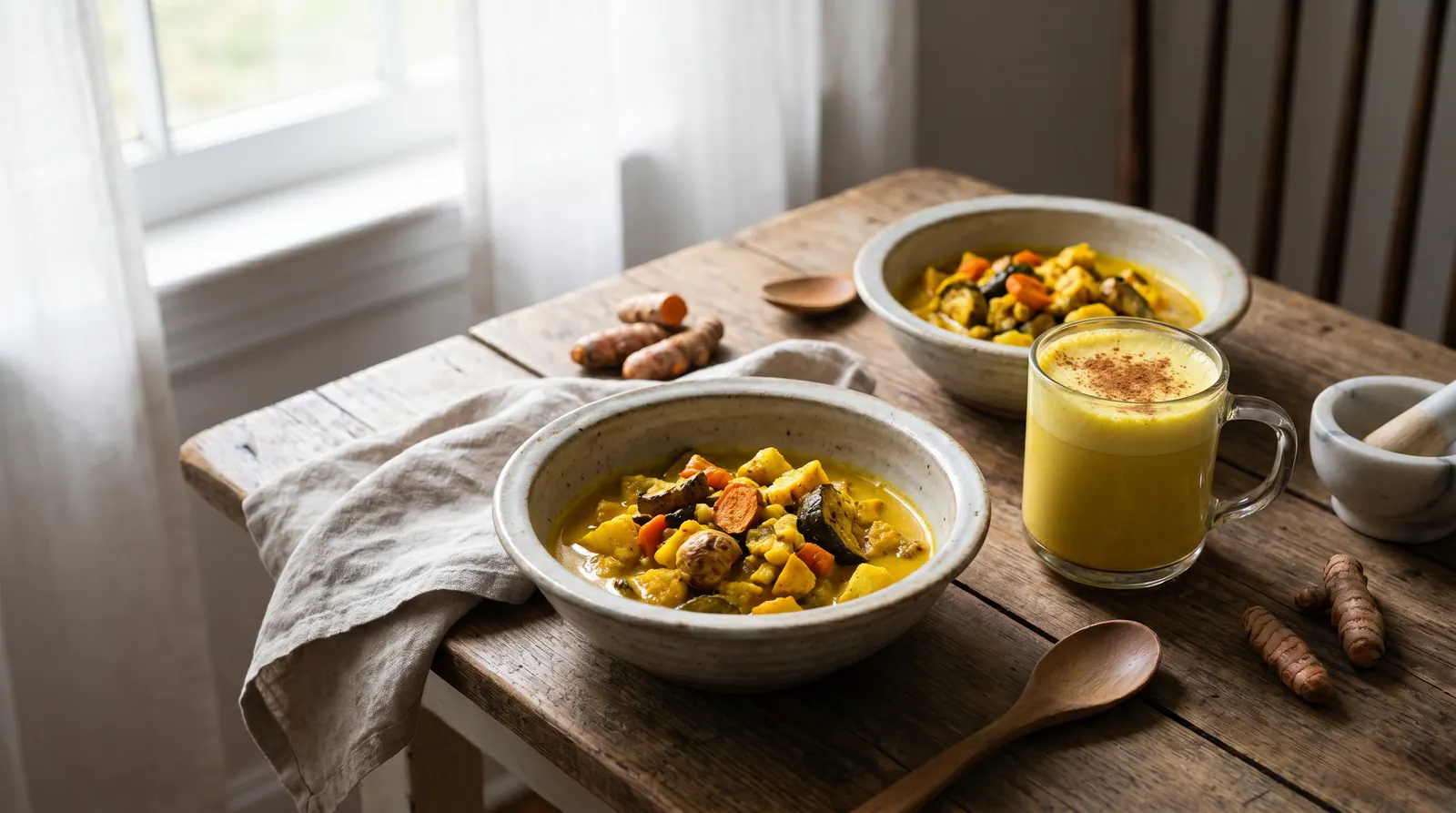
Turmeric has been a staple in our cuisine for generations: in Kabsa, Mandi, Murghub, and soups, often paired with black pepper and cooking oils. This tradition is beautiful in itself, adding warmth, color, and flavor, and coincidentally, it improves the absorption of its curcumin, as we've seen.
The practical message: treat turmeric as a spice that enriches your dish within a balanced, diverse diet rich in vegetables, legumes, and whole grains, not as a supplement you chase for therapeutic benefits. A balanced dietary pattern as a whole is what evidence supports with confidence, while betting on a single spice is an exaggeration. Enjoy your turmeric in a warm Kabsa, and set aside the grand promises.
Dosage & Safety
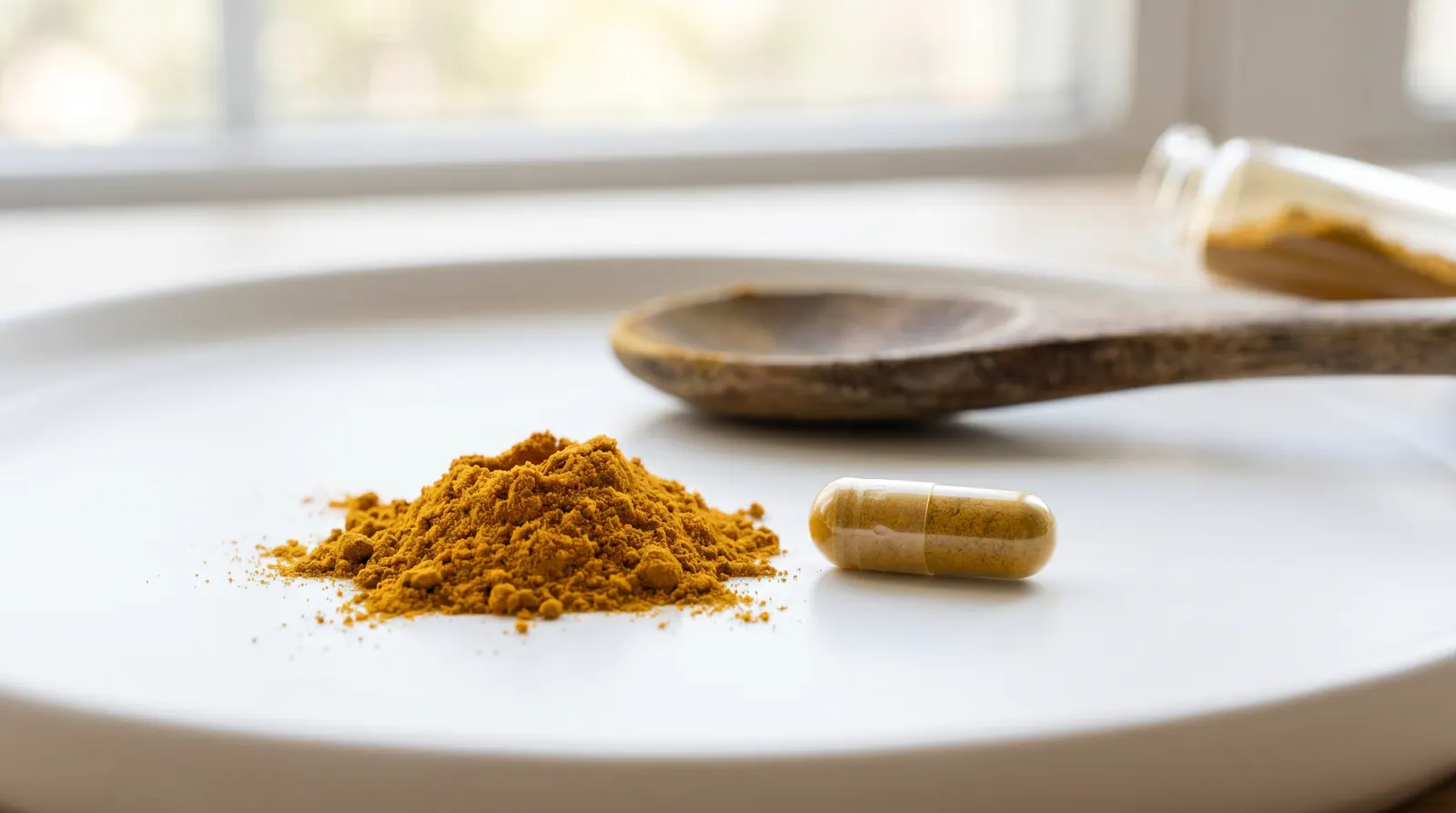
Turmeric in typical food amounts is safe for most people. However, supplements at higher doses present another side. Oral turmeric can cause side effects such as nausea, vomiting, heartburn, stomach upset, diarrhea, or constipation, especially with high doses.
More importantly: the NCCIH has warned that some high-absorption curcumin formulations may harm the liver, with reported liver damage in individuals who took them, showing symptoms like fatigue, nausea, loss of appetite, dark urine, or jaundice. The strict rule: do not assume 'more is better,' do not start a high-dose concentrated formulation without consultation, and if any liver-related symptom appears, stop immediately and consult a doctor.
Interactions & Warnings
This is the most critical section of the guide for anyone considering supplements. Turmeric has known interactions that warrant attention before any concentrated dose:
| Condition | Why Caution is Needed |
|---|---|
| Blood Thinners | Turmeric may slow blood clotting, increasing the risk of bruising and bleeding with medications like warfarin. Your doctor may need to monitor you more closely. |
| Before Surgery | May increase bleeding during and after surgery. It's recommended to stop turmeric supplements two weeks before scheduled surgery. |
| Gallstones or Bile Duct Obstruction | Turmeric may worsen gallbladder problems. It's advised to avoid it with gallstones or bile duct obstruction. |
| High-Absorption Formulations | May harm the liver in some individuals. Use with extreme caution and only under supervision. |
| Pregnancy, Chronic Conditions | Do not start any supplement without consulting a doctor. Food is different from concentrated supplements. |
Practically: If you take a blood thinner, have gallstones, have a scheduled surgery, or are on chronic medications, do not start a turmeric supplement without consulting your doctor or pharmacist. Turmeric in cooking in its usual quantities is a different matter and less concerning.
Five Common Myths About Turmeric
Exaggerations promising more than turmeric delivers are widespread. Here are the most common ones and what the evidence says:
"Turmeric is a natural cure that heals inflammation and chronic diseases."
"A spoonful of turmeric in cooking is enough to get the benefits seen in studies."
"Numerous studies mean the evidence is strong."
"High-absorption supplements are safer because they are natural."
"Turmeric is safe for everyone at any dose."
Practical Tips to Apply Today
Before you get to the full protocol, here are small guidelines from the core of the above, helping you enjoy turmeric as it truly is, without exaggeration:
- Treat turmeric as a spice, not medicine. Add it to your cooking for flavor and color, and don't pin hopes of curing or preventing diseases on it.
- Pair it with black pepper and fat. A pinch of black pepper and a little olive oil or ghee enhance the absorption of its curcumin – a traditional kitchen practice.
- Don't confuse turmeric with concentrated supplements. A cooking spoonful is different from a high-dose curcumin capsule, with entirely different risks.
- Read reliable sources, not advertisements. Grand claims on labels often far exceed what science proves.
- Do not abandon your prescribed medication. Do not postpone doctor visits or stop treatment based on turmeric or curcumin.
- Consult your doctor before any supplement. Especially if you take blood thinners, have gallstones, have surgery scheduled, or have a chronic condition.
- Mind your dose and your stomach. High doses can upset the stomach, and high-absorption formulations may harm the liver in some people.
- Bet on the pattern, not a single spice. Evidence supports a balanced, diverse dietary pattern, not reliance on one magic ingredient.
EEINA's Conscious Turmeric Protocol
A practical plan combining the above into three progressive layers. Start layer by layer, making honesty with yourself the foundation of each step.
The protocol is based on health authorities' statements on evidence limitations, absorption, and safety data.
Enjoy It As It Is
Four simple habits.
Adjust Your Expectations
Be honest with evidence limitations.
Before Any Supplement
Beware of interactions.
The golden rule: Turmeric is a spice that deserves its place on your table, not a miracle pill. Enjoy it for its flavor, adjust your expectations to the evidence, and consult your doctor before any supplement.
Frequently Asked Questions
Does turmeric cure diseases?
Why is it recommended to add black pepper to turmeric?
Is the evidence for turmeric's anti-inflammatory effects strong?
Is turmeric safe for everyone?
What is the difference between turmeric and curcumin?
Red Flags: When to See a Doctor
Turmeric in food is generally gentle, but certain situations warrant immediate medical evaluation, especially with supplements:
- Liver symptoms after a curcumin supplement: Fatigue, nausea, loss of appetite, dark urine, or jaundice – stop and consult a doctor immediately.
- Unusual bleeding or bruising in someone taking blood thinners with a turmeric supplement.
- Gallbladder pain or biliary colic in someone with gallstones or bile duct obstruction.
- Upcoming surgery: Consult your doctor about stopping turmeric supplements beforehand.
- Severe or persistent stomach upset with high supplement doses.
- Pregnancy, chronic medication, or health condition before starting any turmeric or curcumin supplement.
Start Your Next Step with EEINA
Balanced Meal Plans with Local Flavors
Saudi recipes that leverage spices like turmeric for warm flavor, within a diverse dietary pattern supported by evidence.
Get Your Plan →Recipes with Turmeric & Spices
Easy ideas pairing turmeric with black pepper and healthy fats for a delicious golden dish.
Try Them →The EEINA App
Helps you build a balanced, diverse dietary pattern, away from relying on a single magic ingredient.
Download →