The Pattern, Not the Magic Pill
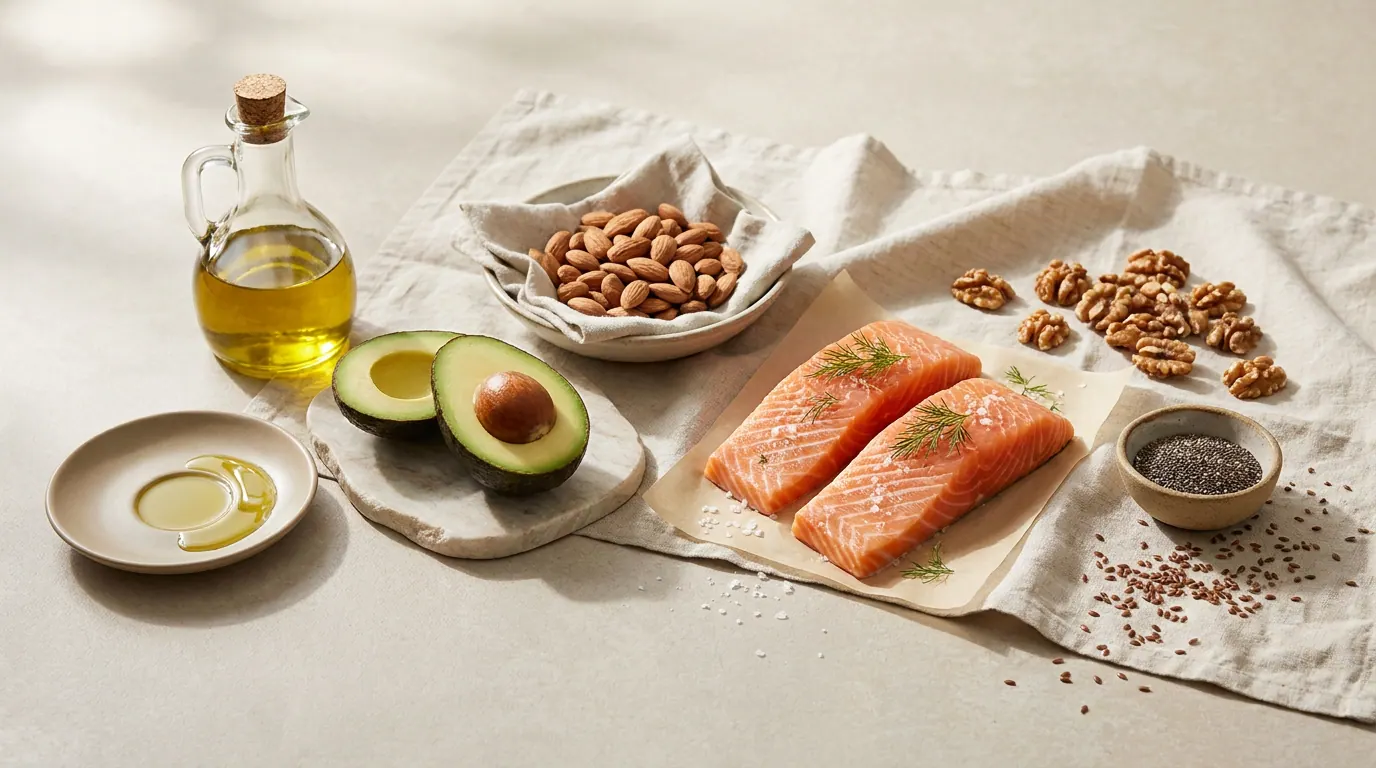
The most established scientific finding in brain nutrition isn't a single food but an entire pattern. The MIND diet, a hybrid of the Mediterranean and DASH diets, combines leafy greens, berries, legumes, nuts, whole grains, fish, and olive oil, while reducing red meat, sweets, and fried foods.
Practically: Don't chase a single "hero" food that fixes everything. As Harvard states, no single food guarantees a sharp mind; the overall dietary pattern is what matters. Think about your plate over weeks, not just one meal, and build a recurring habit instead of searching for a miracle recipe.
Why Evidence is Observational, Not Causal
Here's the crux. Most of what we know about diet and the brain comes from observational studies that follow people, noting who eats what and whose cognitive function declines, not from experiments proving food is the cause. These studies have found promising associations, but association is not causation.
The clearest evidence: a randomized controlled trial, stronger than observation, tested the MIND diet over three years and found no statistically significant cognitive difference compared to the control group; both groups improved. The practical takeaway: Don't promise yourself prevention of Alzheimer's or dementia. No diet has been proven to prevent them, and much of the evidence remains inconclusive. Treat your plate's pattern as a potential support for overall health, not a proven treatment.
Omega-3s and Fish
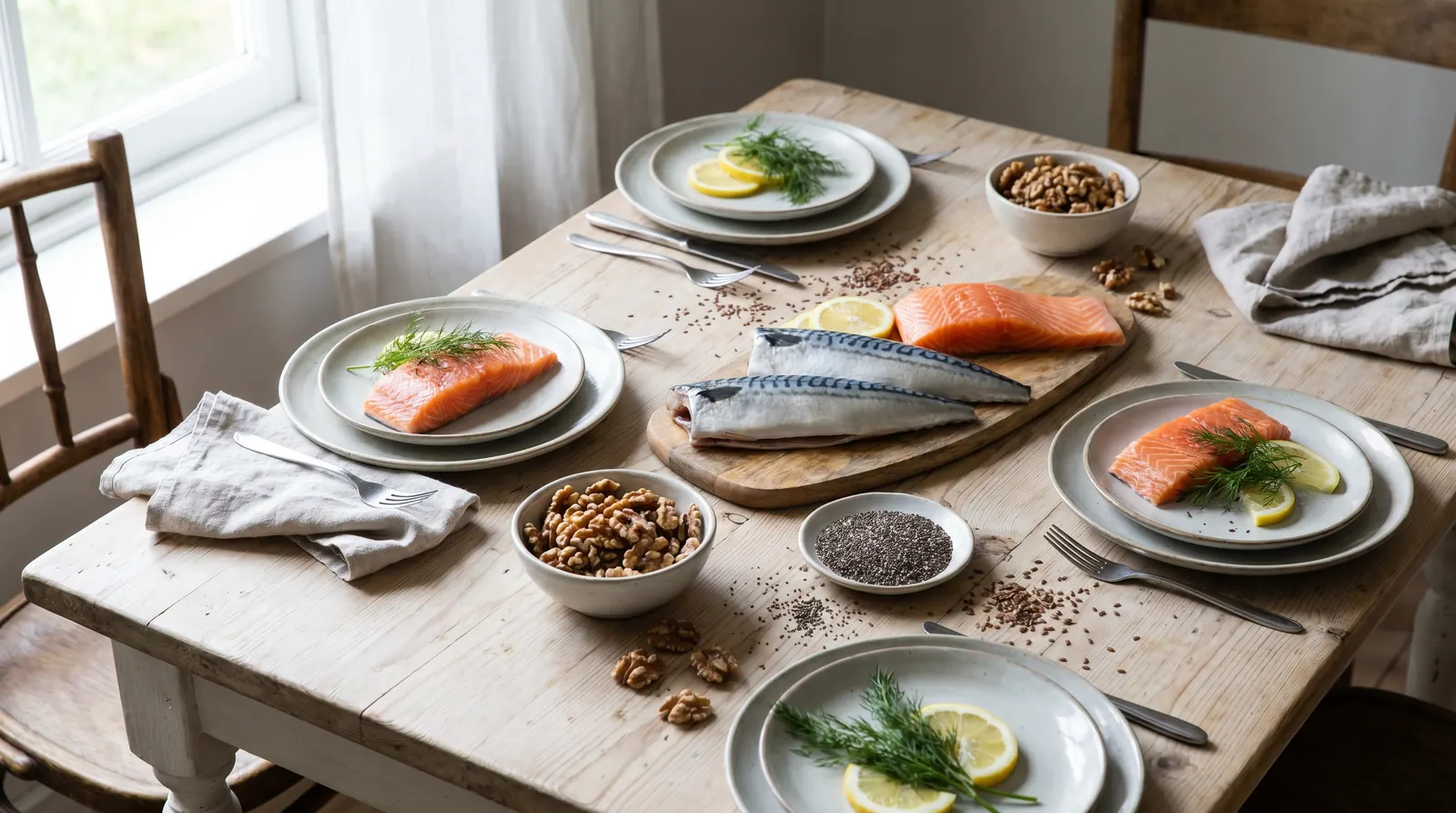
Fatty fish are rich sources of Omega-3 fatty acids and have been observationally linked to lower blood levels of beta-amyloid, a protein that accumulates in the brains of Alzheimer's patients. The common recommendation is to eat fish at least twice a week, favoring low-mercury varieties like salmon, cod, light canned tuna, and pollock.
Practically: Make fish a regular guest on your table twice a week, and vary the types to minimize mercury exposure. If fish isn't an option, walnuts are a plant-based source of alpha-linolenic acid, an Omega-3, and a university study linked higher walnut consumption to better scores on cognitive tests. Remember, this is an association, not a guarantee.

Berries, Leafy Greens, and Antioxidants
Leafy greens like spinach and kale are rich in brain-supportive nutrients such as vitamin K, lutein, folate, and beta-carotene. Research suggests they may help slow cognitive decline. The MIND diet recommends multiple servings of these weekly.
As for berries, flavonoids – the plant pigments that give them their vibrant colors – have been linked to memory improvements. A Harvard study found that women who ate two or more servings of strawberries and blueberries per week experienced a delay in memory decline of up to two and a half years. Practically: Add a handful of berries to your breakfast and make a plate of leafy greens a daily part of your lunch. These are simple habits with encouraging observational evidence, not magic solutions.
Does Your Plate Pattern Support Your Brain? — A Self-Check
This is a guiding self-assessment to gauge how closely your dietary and sleep habits align with those observationally linked to brain health. It does not diagnose any condition and is not a substitute for medical advice. Select what applies to you:
Blood Sugar and Focus
The brain is an energy-hungry organ, relying on a steady supply of glucose to perform its cognitive functions. When you eat a high-glycemic index meal, your blood sugar rises rapidly and then drops, and this drop is often accompanied by fatigue and distraction, explaining the post-meal slump after a sugary meal.
Practically: What matters is blood sugar stability, not just lowering it. Low-glycemic index foods like whole grains, legumes, and most fruits and vegetables release glucose slowly, supporting more stable focus throughout the hours. Persistently high blood sugar, even within the upper normal range, has been observationally linked to poorer cognitive performance in older adults without diabetes. Make your breakfast and lunch low-glycemic to protect your mental clarity.

The Gut-Brain Axis
There's a constant two-way communication between your gut and brain via the vagus nerve, neurotransmitters, and immune pathways. The gut produces neurotransmitters like serotonin, linked to mood and sleep, and its microbes generate short-chain fatty acids from fiber fermentation, which influence brain function.
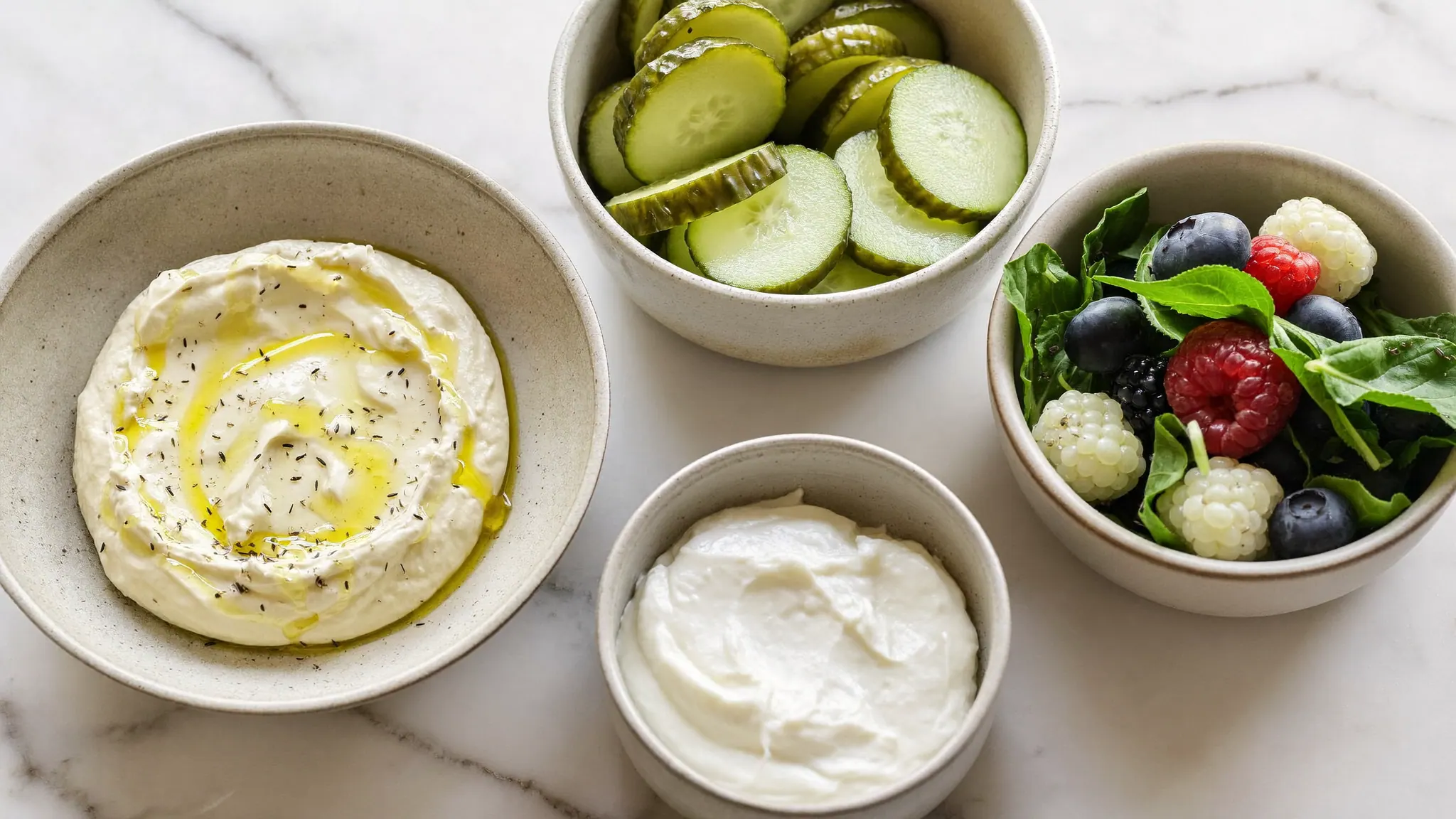
This is a promising area, but much of it is still emerging, so don't overstate your expectations. The clearest dietary leverage comes from fiber and fermented foods: whole grains, vegetables, and legumes feed beneficial microbes, while yogurt and fermented pickles add beneficial bacteria. Practically: Diversify your plate's fiber and include a fermented source daily; this serves your gut and overall health together.
Sleep and Memory Consolidation
A discussion about memory is incomplete without sleep. During deep sleep, memories are consolidated, and the glymphatic system, which helps clear brain waste, becomes more active. Research has shown that sleep deprivation impairs this clearance, and lack of sleep and poor sleep quality are associated with greater accumulation of beta-amyloid and tau, even before cognitive symptoms appear.
Practically: The best diet cannot compensate for a bad night's sleep. Maintain consistent sleep schedules, reduce caffeine after midday, and limit screen time before bed. Remember that the link between poor sleep and increased risk of cognitive decline is observational in population studies; good sleep is a habit worth nurturing, not a magic pill.
Why Your Saudi Plate Helps Here
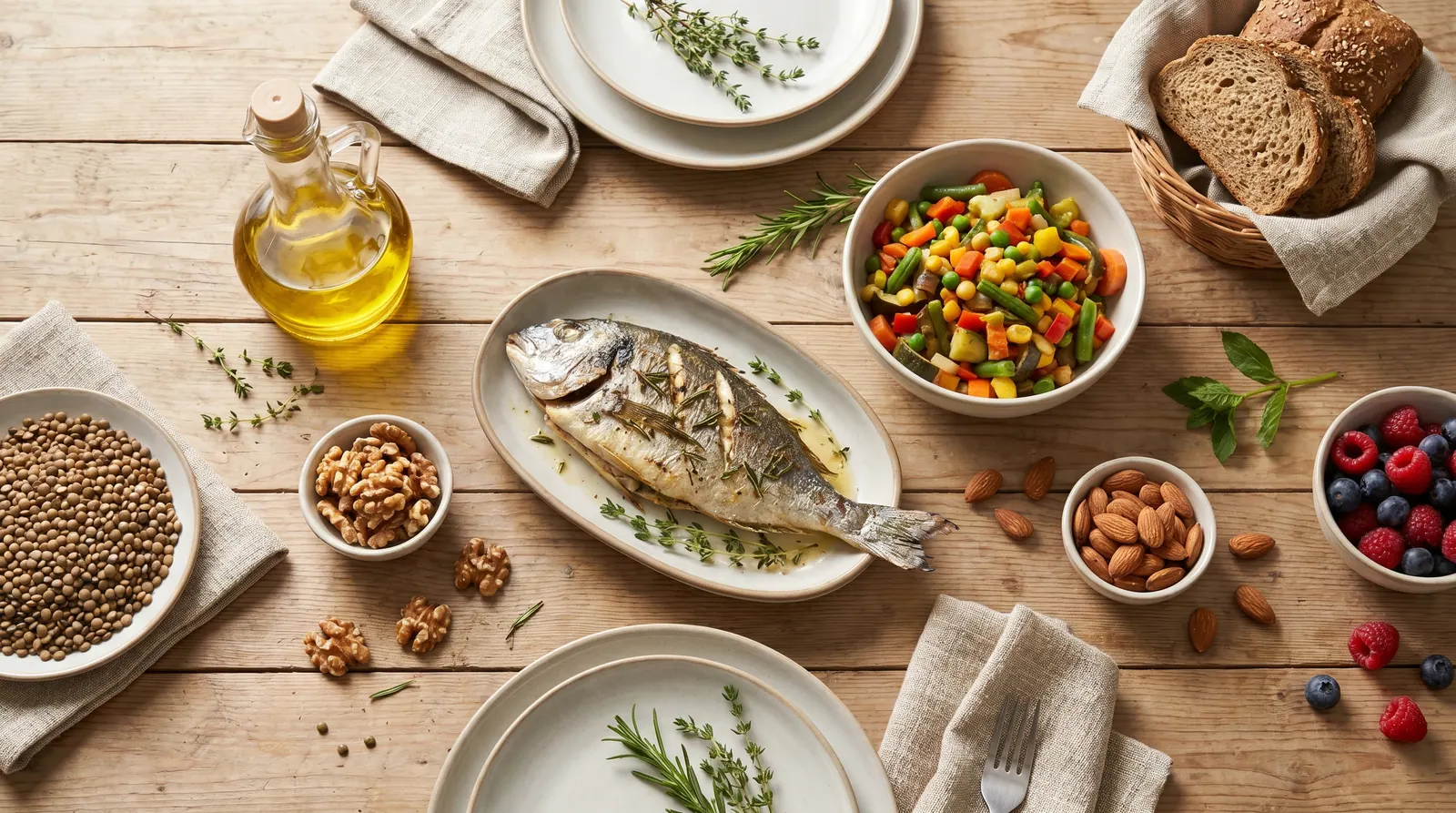
Our cuisine is already close to the Mediterranean pattern in many aspects: hummus, fava beans, and lentils are daily staples, leafy greens are common in salads, almonds and walnuts are traditional, and olive oil is present. Fish is also readily available in coastal cities. These are elements on which a brain-supportive pattern can be built without much effort.
The practical message: Proximity to the pattern doesn't mean we always follow it. When fast food, refined rice, and sweets dominate, the plate drifts away from the promising pattern. Replace some refined grains with whole grains, incorporate fish twice a week, and add a daily serving of berries and leafy greens. This is simpler, more affordable, and has stronger evidence than any supplement.
Supplements and Memory — Be Cautious
Supplements promising memory enhancement are widespread, but the evidence doesn't support them. No vitamin or supplement has been proven to prevent cognitive decline or Alzheimer's in people, and many studies have been small, short, or weak.
The practical rule: Whole foods, sleep, and activity are a stronger foundation than any pill. Supplements are considered for treating confirmed deficiencies, like vitamin B12 or D deficiency, under medical supervision, not as general memory boosters. Do not start any supplement with a chronic medication or health condition before consulting a doctor or pharmacist, as some supplements interact with medications.
What Science Actually Says
The most prominent observational study followed older adults free of dementia and found that those most adhering to the MIND diet had about a 53% lower incidence of Alzheimer's, and moderate adherence showed about a 35% reduction, compared to the least adherent. Brain autopsy studies have linked adherence to these patterns with fewer Alzheimer's markers like plaques and tangles.
And most importantly in the balance: When the MIND diet was tested in a randomized controlled trial over three years, it did not outperform the control group in cognition. A comprehensive scientific review found insufficient evidence to recommend any specific diet, although some patterns were linked to cognitive benefits. Conclusion: Healthy patterns are promising observationally, but the results are not conclusive. Treat diet as part of a lifestyle for overall health, not a proven solution that prevents decline.
Five Common Myths About Brain Nutrition
Half-truths promising more than the evidence supports are common regarding brain nutrition. Here are the most prominent, and what science says:
"Supplements boost memory and protect against dementia."
"The MIND diet prevents Alzheimer's."
"A single magic food sharpens memory."
"Sugar feeds the brain, so the more you eat, the better your focus."
"Sleep is a luxury with no connection to memory."
Practical Tips to Implement Today
Before diving into the full protocol, here are small guidelines from the core of the above, bringing your pattern closer to observationally linked brain-healthy habits without turning your life upside down:
- Think Pattern, Not Single Food. Don't chase a hero food; make leafy greens, berries, legumes, fish, and olive oil regular parts of your week.
- Have Fish Twice a Week. Prefer low-mercury varieties like salmon and light tuna. If fish isn't an option, a handful of walnuts is a plant-based Omega-3 source.
- Add Two Servings of Berries and a Plate of Greens. A handful of berries in your breakfast and a leafy green salad at lunch are simple habits with encouraging observational evidence.
- Choose Low-Glycemic Meals. Swap refined rice and white bread for whole grains and legumes to stabilize your blood sugar and maintain focus throughout the day.
- Care for Your Gut. Diversify your fiber intake and include a daily fermented source like yogurt, as the gut-brain axis is a promising area that benefits your overall health.
- Protect Your Sleep. Maintain consistent sleep schedules and reduce caffeine after midday. Deep sleep is when memories are consolidated, and no plate can replace it.
- Don't Buy Supplements Promising Memory. There's no supporting evidence. Supplements are for confirmed deficiencies under supervision. Consult your doctor if you have chronic medication.
- Give the Pattern Time and Lower Expectations. These are habits for overall health over years, not a promise to prevent Alzheimer's or dementia.
EEINA's Protocol for a Brain-Supportive Pattern
A practical plan combining the above into three progressive layers. Start layer by layer, and note your response to understand what fits your daily life.
The protocol is based on dietary patterns observationally linked to brain health and practical sleep guidelines, not a promise of prevention.
Integrate the Pattern into Your Plate
Four habits every day.
Solidify the Pattern Pillars
Steps repeated weekly.
Protect Your Sleep & Consult Wisely
Beyond the plate.
Golden Rule: The goal isn't a pill or a hero food, but a pattern that accumulates over years for overall health. The evidence is promising observationally, not a promise to prevent Alzheimer's.
Frequently Asked Questions
Is there any food that actually improves memory?
Do these foods prevent Alzheimer's?
How often should I eat fish for brain health?
Do supplements boost memory?
What is the relationship between blood sugar and focus?
When to Consult a Doctor — Red Flags
Diet is a supportive factor for general health, but certain symptoms go beyond it and require medical evaluation without delay:
- Increasing forgetfulness that interferes with daily life, or repeating the same questions, or getting lost in familiar places.
- Sudden difficulty speaking or finding words, or performing tasks you are accustomed to.
- A noticeable change in mood or personality noticed by those close to you.
- Severe distraction and poor focus that do not improve with better sleep and diet.
- Concerns about memory with a family history of dementia or Alzheimer's, warranting early evaluation.
- Any supplement with a chronic medication or health condition before starting, as some supplements interact with medications.
Start Your Next Step with EEINA
Mediterranean Pattern Meal Plan
Saudi recipes combining vegetables, berries, legumes, and fish into your week, following a pattern that supports your overall health.
Get Your Plan ←Fish and Leafy Greens Recipes
Easy ideas to incorporate fish, berries, greens, and legumes into your plate without hassle.
Try Them ←EEINA App
Tracks your plate pattern of greens, fish, and whole grains, and reminds you of light dinners and sleep routines.
Download ←