What Gallstones Really Are
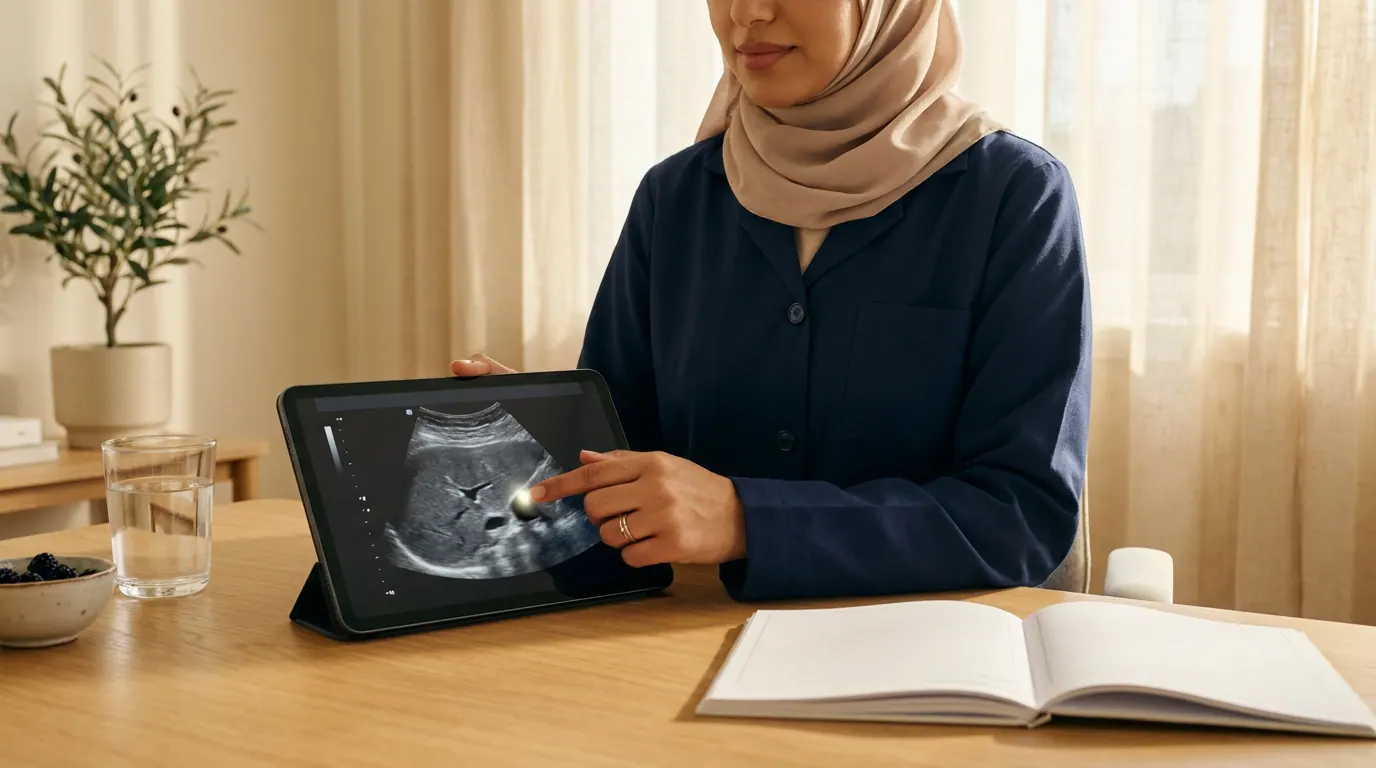
Gallstones are hard, pebble-like pieces that form inside the gallbladder, usually made of cholesterol or a substance called bilirubin. The most common type is cholesterol gallstones, which tend to be yellowish-green and form when there's too much cholesterol in bile for it to dissolve. Pigment stones are dark-colored and are associated with other conditions like blood and liver diseases.
In practice: The gallbladder is a sac that stores bile produced by the liver and releases it into the intestines when you eat to help digest fat. When the composition of bile is disrupted, or the gallbladder doesn't empty regularly, substances can precipitate and form stones. Many gallstones are silent and cause no discomfort, but some can block the bile duct, leading to pain and complications that require medical attention.
Risk Factors — From Silent to Symptomatic
Some risk factors are beyond your control, while others are within your control. Factors you cannot control include being female (women are more prone to gallstones than men), advancing age, family history, and certain ethnic backgrounds. Lifestyle-related factors include obesity, especially in women, rapid weight loss (as seen after bariatric surgery), and a diet high in calories, refined carbohydrates, and low in fiber.
Also associated are health conditions like diabetes and insulin resistance, high triglycerides, low HDL cholesterol, pregnancy, and the use of hormones that increase estrogen. The practical rule: You can't change your sex, age, or genes, but you can work on your weight and your plate's pattern, which are among the most powerful factors you control.
Signs Worth Noticing
Many gallstones are silent and cause no discomfort, often discovered incidentally during an examination for another reason. However, when stones block the bile duct, pain may occur in the upper right abdomen, sometimes radiating to the shoulder or back, often after a fatty meal. Nausea or vomiting may accompany it.
These are not signs for self-diagnosis. The practical rule: If you experience recurrent upper abdominal pain after fatty meals, don't just adjust your diet; consult a doctor to evaluate the cause. Some symptoms warrant immediate attention, as detailed in the Red Flags section below.
Are Your Diet and Weight Pattern Worth Noticing? — Self-Check
This is a guideline checklist combining known risk factors and lifestyle indicators. It does not diagnose gallstones or replace a doctor's evaluation. Select what applies to you:
The Role of Fiber — A Gallbladder's Quiet Ally
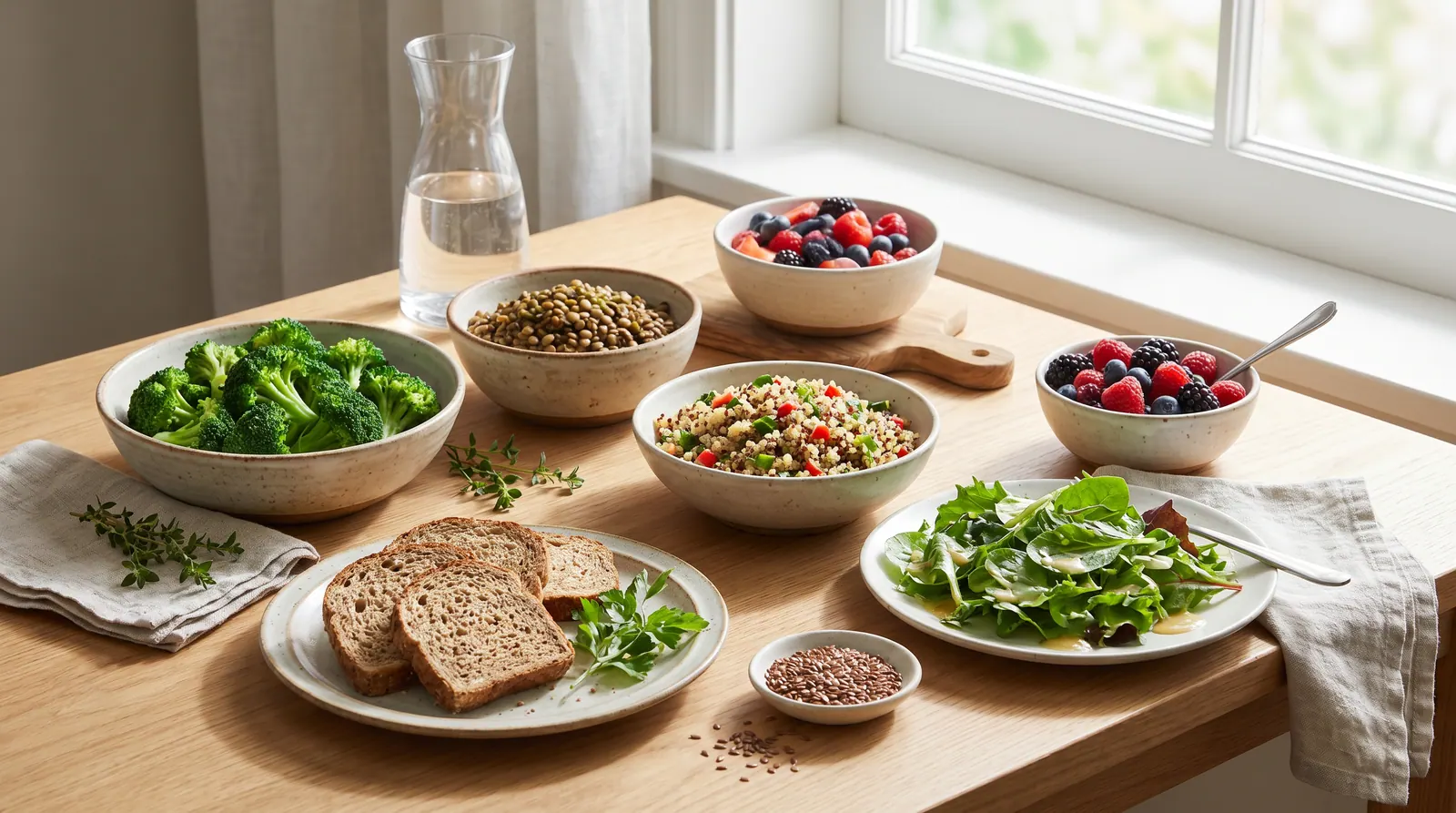
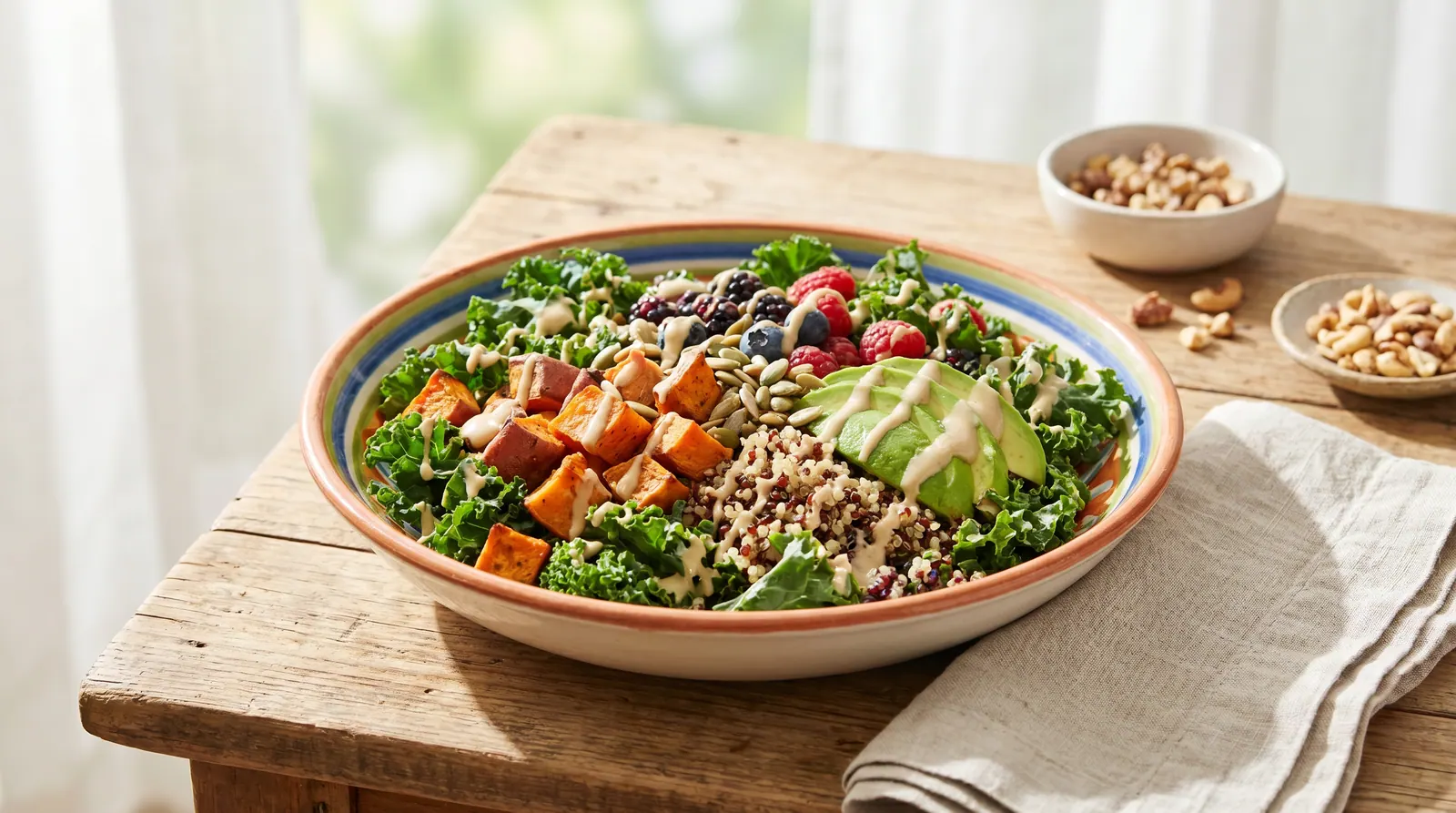
Fiber is one of the simplest things you can do to support your gallbladder. Reputable health sources recommend increasing fiber-rich foods like fruits, vegetables, legumes, and peas, as well as whole grains like brown rice, oats, and whole wheat bread, as part of a diet that reduces gallstone risk.
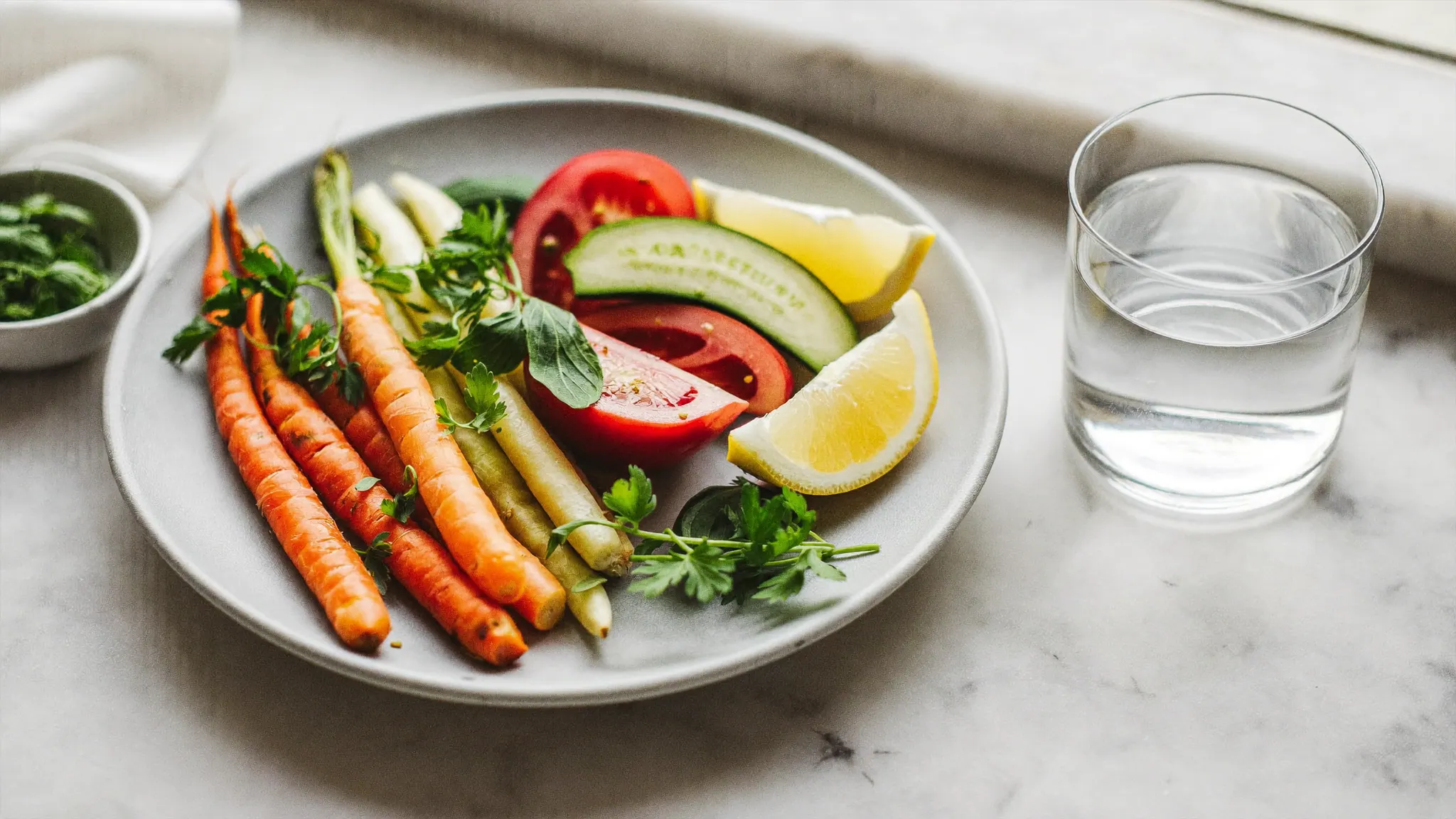
In practice: Make half your plate vegetables, incorporate legumes and whole grains into your daily meals, and gradually increase fiber intake with adequate water to avoid bloating. Fiber isn't a magic cure, but it's an essential part of a diet that lowers risk, bringing with it benefits for weight, blood sugar, and heart health.
Moderate Healthy Fats — No Complete Deprivation
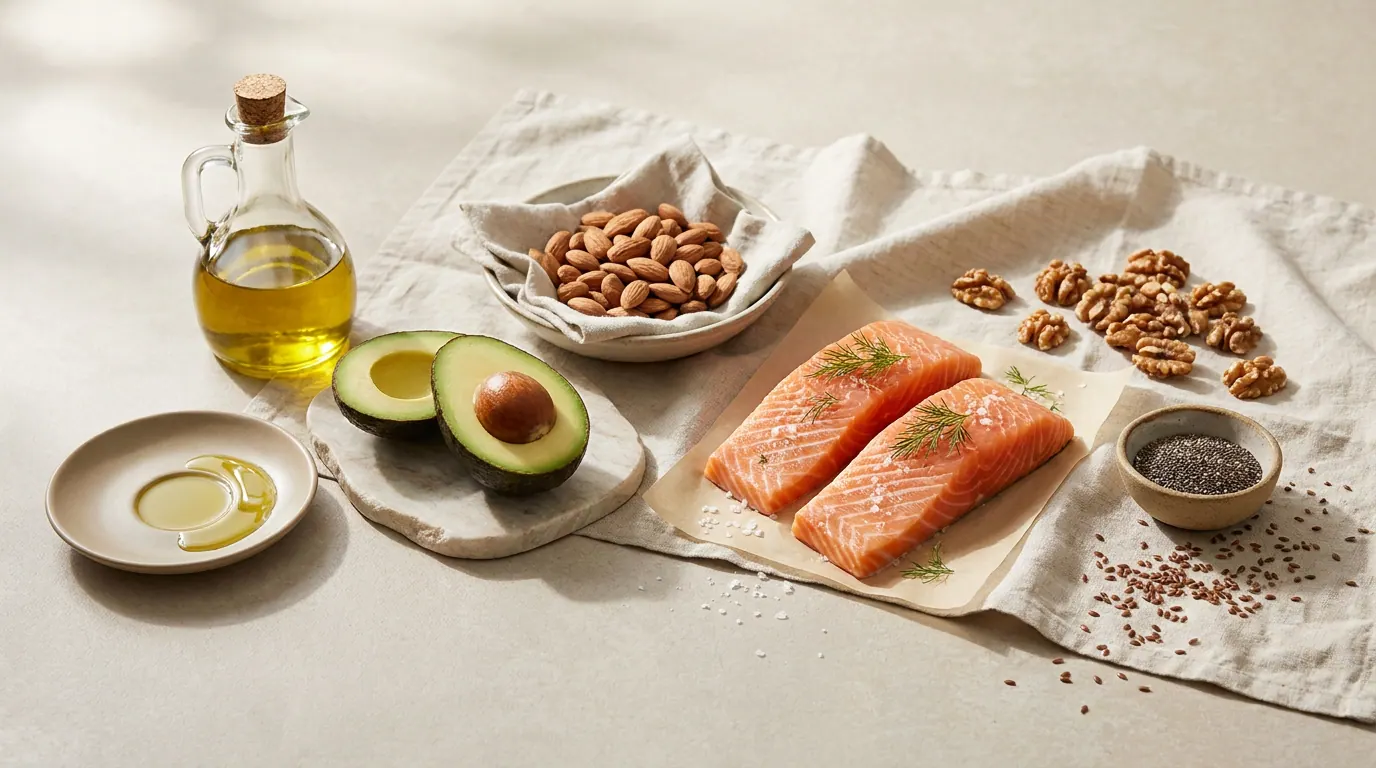
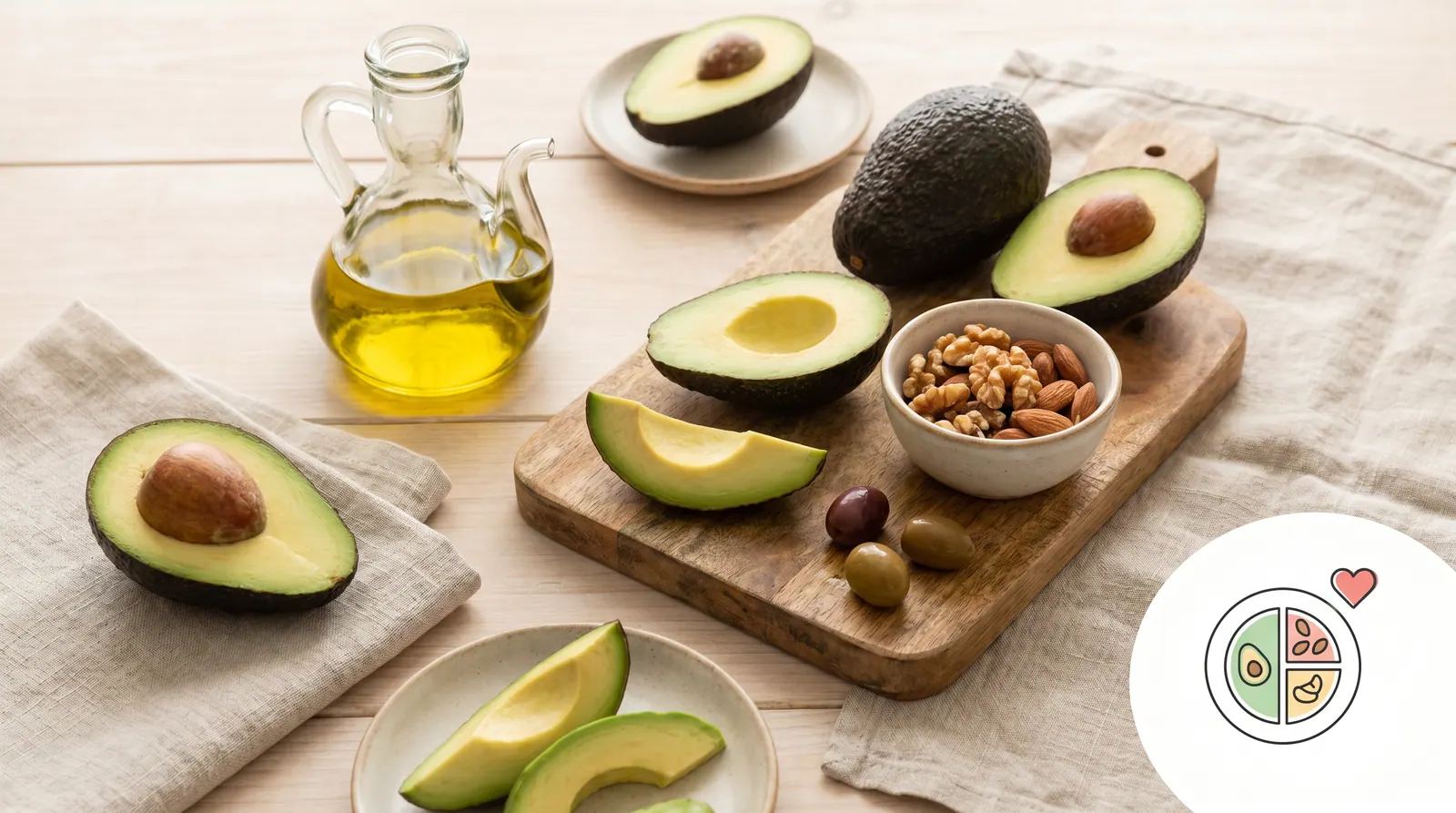
It might seem logical to deprive your gallbladder of all fat, but the opposite is healthier within reasonable limits. Reputable sources recommend incorporating healthy fats like fish oil and olive oil to help the gallbladder contract and empty regularly, while avoiding unhealthy fats common in sweets and fried foods.
In practice: A gallbladder that doesn't empty for a long time is more prone to stone formation, and moderate healthy fats stimulate it to empty. Get your fat sources from olive oil, nuts, avocados, and fatty fish, and stay away from fried foods and heavy, greasy meals. Moderation is key: avoid excessive fats that burden, but don't eliminate fats entirely, which deprives the gallbladder of stimulation.
Why This Matters for Your Saudi Plate
Gallstone risk factors are present in our reality: high rates of obesity, women being more susceptible, and dietary patterns that lean towards refined white grains, fried foods, and sweets in some meals. Yet, our cuisine is rich in protective elements: lentils, chickpeas, beans, vegetables in salads, abundant olive oil, and fish from our coasts.
The practical message: You don't need an exotic kitchen to protect your gallbladder. Replace some of your refined rice with whole grains, make legumes and vegetables a daily presence, switch fats from fried to olive oil and fish, and beware of shock diets that proliferate before occasions. These are small adjustments to a familiar plate, not a revolution on your table.
Why Crash Diets and Prolonged Fasting Increase Stones
Here's a paradox many are unaware of: very rapid weight loss is a risk factor for gallstones, not a preventative measure. When you don't eat for a long time or lose weight quickly, the liver secretes excess cholesterol into bile, and rapid weight loss prevents the gallbladder from emptying properly, creating an environment conducive to stone formation.
Therefore, reputable sources advise against shock diets and recommend a slower, more sustainable weight loss, as slow loss is less associated with gallstones. In practice: Avoid diets promising pounds lost in days, and don't let your stomach go without stimulation for prolonged, frequent hours without regulation, as a gallbladder that doesn't empty is more prone to precipitation.
Safe Gradual Weight Loss — How to Lose Gently
If your goal is weight loss, the method matters as much as the goal. Reputable sources suggest a reasonable target of about 5-10% of your starting weight over approximately six months, avoiding fad diets, as a slower pace is less associated with gallstones and more sustainable.
In practice: Build weight loss on a moderate calorie deficit and regular physical activity, not on starvation. Maintain regular meals that don't leave the gallbladder unemptied for long hours, and fill your plate with fiber, protein, and moderate healthy fats for satiety without hardship. The goal is weight that is lost and maintained, not a number that jumps up and then returns with a new risk.
Nutritional Considerations After Gallbladder Removal
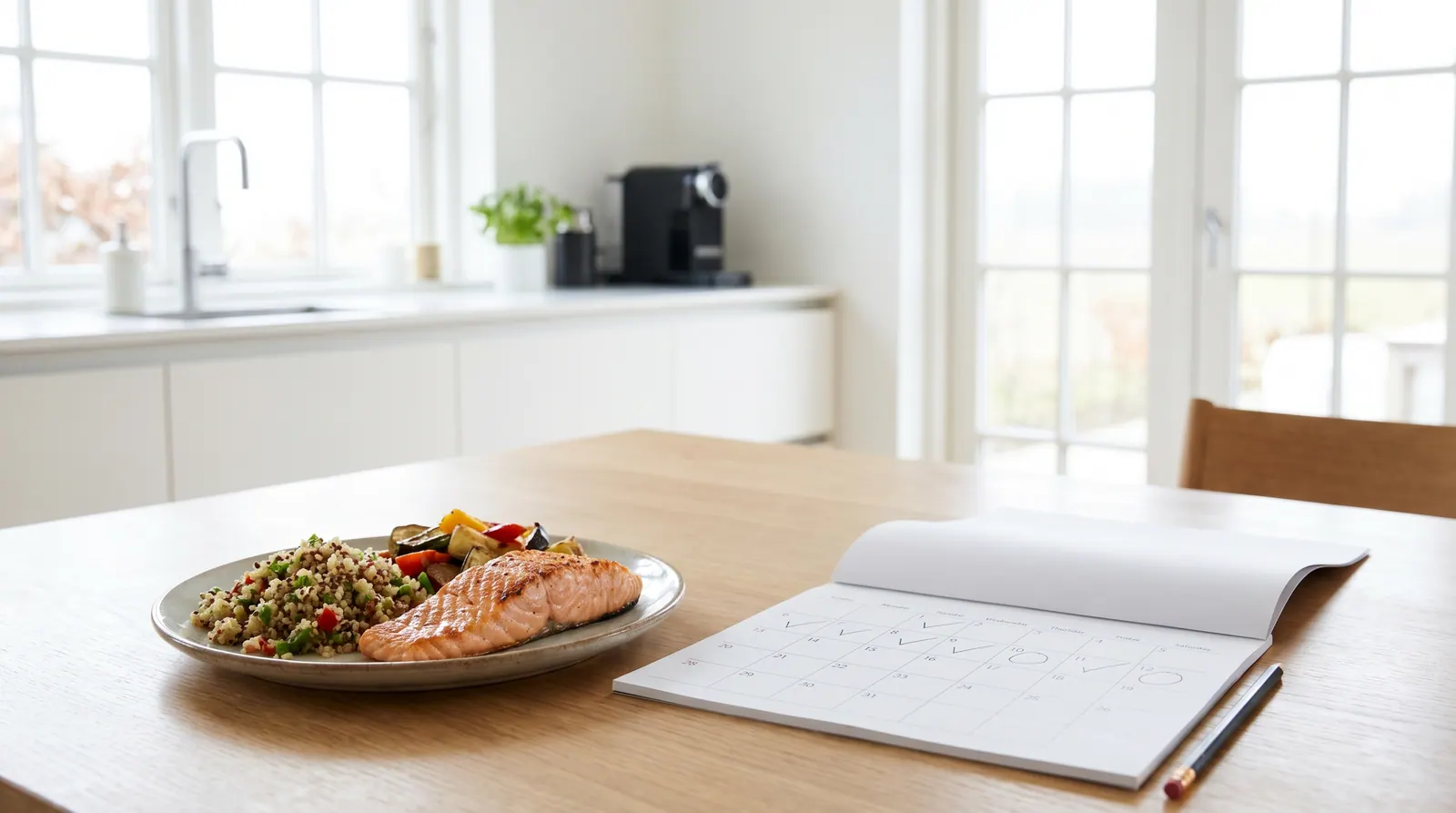
When the gallbladder is removed, the liver continues to produce bile, but it flows directly into the intestines without a storage sac to release it with meals. This is why some people may experience diarrhea or loose stools for days or weeks, as the continuous bile flow has a laxative effect.
Practically, simple habits can help adaptation: eating smaller, more frequent meals instead of large ones, starting with low-fat foods and then gradually introducing fats, and slowly introducing fiber-rich foods to avoid cramping and bloating. The body gradually adapts to redistribute bile, which can take weeks to months before you can return to a more varied diet.
What Science Actually Says
The scientific picture is clear in its broad strokes: diet and weight are modifiable factors in gallstone risk. A diet high in calories, refined carbohydrates, and low in fiber increases risk, while increased fiber and moderate healthy fats are associated with a lower-risk eating pattern.
Most importantly: these are correlations within an integrated lifestyle, not a guarantee of prevention. Good nutrition lowers risk but doesn't eliminate it; factors like sex, age, and genetics remain beyond your control. The practical conclusion: Don't promise yourself absolute protection from your plate, but work with what you can control—your weight, eating pattern, and rate of loss—and consult a doctor for symptoms.
Five Common Myths About Gallstones and Diet
Half-truths and unnecessary fears circulate around the gallbladder and diet, promising more than they deliver or frightening without cause. Here are the most common, and what sources say:
"Crash diets are safer for the gallbladder because they cause rapid weight loss."
"To protect your gallbladder, avoid all fats."
"Diet alone guarantees prevention of gallstones."
"Skipping meals and prolonged fasting rest the gallbladder."
"After gallbladder removal, you can never eat fats again."
Practical Tips to Implement Today
Before diving into the full protocol, here are small guidelines from the core advice, reducing your risk and soothing your gut without turning your life upside down:
- Make half your plate vegetables. Vegetables, fruits, legumes, and whole grains increase fiber within a risk-reducing diet, benefiting your weight and blood sugar simultaneously.
- Swap refined for whole grains. Replace some white rice and white bread with brown rice, oats, and whole wheat bread to automatically increase fiber and reduce refined carbohydrates.
- Moderate fats, don't eliminate them. Get your fats from olive oil, nuts, avocados, and fish, and avoid fried foods and rich sweets. The gallbladder needs moderate fat to empty.
- Reduce sugar and refined carbohydrates. These are part of the diet pattern linked to increased risk, and reducing them benefits your gallbladder and weight at the same time.
- Don't let your stomach go unemptied for prolonged hours without regulation. Regular meals help the gallbladder empty, while frequent meal skipping creates an environment for precipitation.
- Lose weight gently. Avoid shock diets and aim for gradual, sustainable weight loss, as slow loss is less associated with gallstones than rapid loss.
- Introduce fiber gradually with adequate water. Sudden increases can cause bloating, especially after gallbladder removal, so proceed slowly and drink enough water.
- Consult a doctor for symptoms. Recurrent upper abdominal pain after fatty meals, or jaundice or fever, requires medical evaluation, not just dietary adjustments.
EEINA's Protocol for a Gallbladder-Friendly Plate and Gentle Weight Loss
An actionable plan combining the above into three progressive layers. Start layer by layer, and note your response to understand what works best for you.
The protocol is based on reputable dietary guidelines for gallstone prevention and principles of safe gradual weight loss.
Create a Gallbladder-Friendly Plate
Four habits every day.
Lose Gently, Not Shockingly
A pace that protects your gallbladder.
Monitor and Consult Under Guidance
Before and after symptoms arise.
Golden Rule: The goal is not a shock diet or complete fat elimination, but a balanced plate and gentle weight loss. Diet lowers risk, and your doctor is your reference for any symptoms.
Frequently Asked Questions
Can diet prevent gallstones?
Why do crash diets increase gallstones?
What is a safe rate for weight loss?
Should all fats be avoided?
How should I eat after gallbladder removal?
When to See a Doctor — Red Flags
Diet lowers risk, but certain symptoms go beyond it and require prompt medical evaluation:
- Severe, persistent pain in the upper right abdomen, especially after a fatty meal, requires urgent evaluation.
- Jaundice (yellowing of the skin or whites of the eyes), or dark urine and pale stools: Seek medical attention immediately.
- Fever or chills with abdominal pain may indicate infection or blockage requiring urgent treatment.
- Persistent nausea or vomiting with unrelieved abdominal pain.
- Severe, persistent diarrhea after gallbladder removal that doesn't improve with dietary changes requires medical consultation.
- A harsh weight loss program or bariatric surgery without medical follow-up for gallstone prevention.
Start Your Next Step with EEINA
Gallbladder-Friendly Meal Plan
Saudi recipes rich in fiber with moderate healthy fats, supporting gentle weight loss.
Get Your Plan ←High-Fiber Recipes
Easy ideas to incorporate vegetables, legumes, whole grains, and olive oil into your plate.
Try Them ←The EEINA App
Helps you create balanced plates with fiber and healthy fats, and achieve gradual, steady weight loss.
Download ←