What's Really Inside the Can
An energy drink is not a juice or a regular soda; it's a blend of stimulants and sweeteners. Its primary ingredients are a large amount of caffeine, abundant added sugar, and other stimulants like guarana, taurine, and L-carnitine. The problem is that many people mistake it for an innocent carbonated beverage.
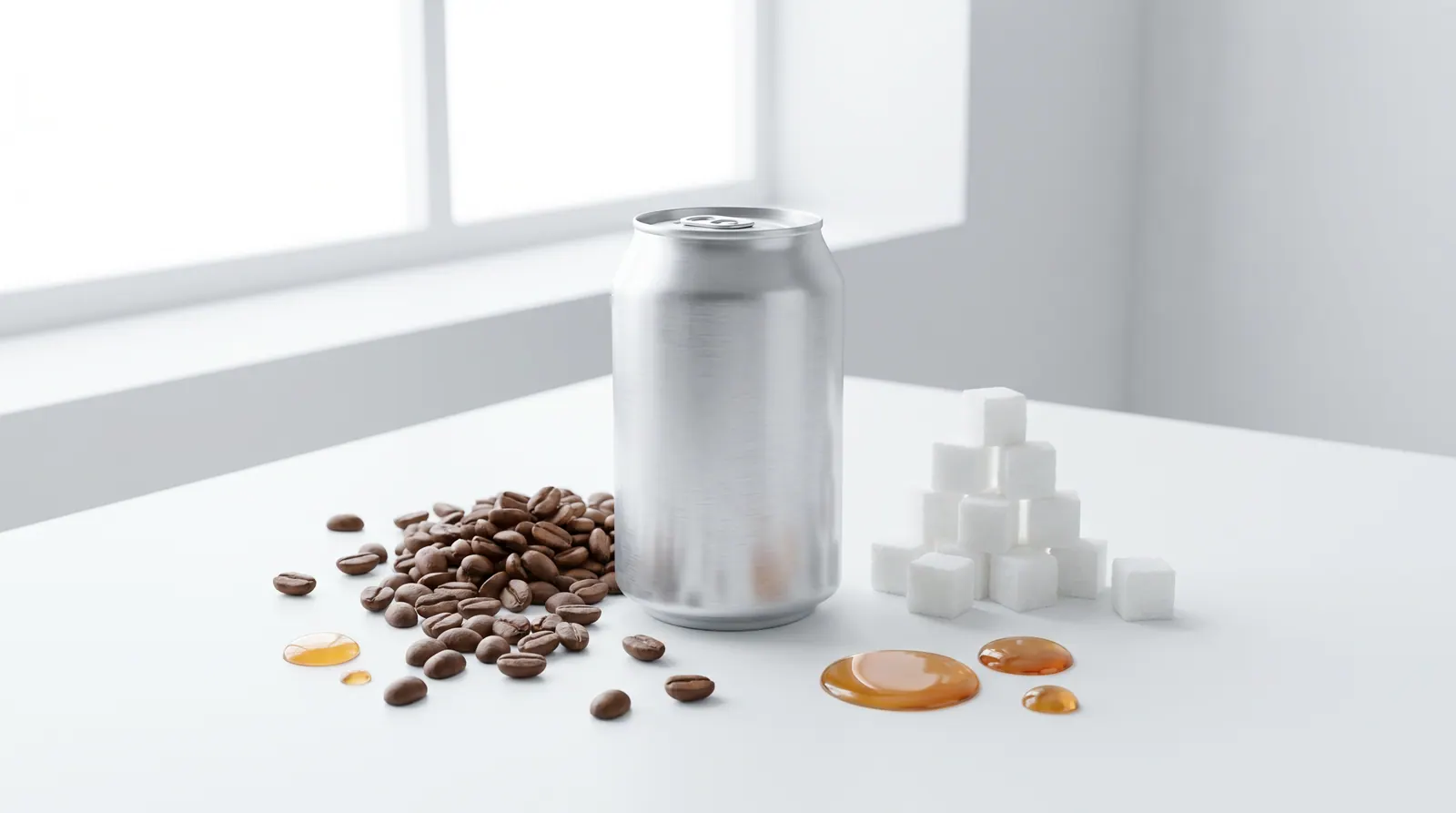
The most important ingredient to note is guarana. It's a seed from a tropical plant that contains natural caffeine at a concentration higher than coffee beans, reaching about 5%, which is nearly four times the 1-2.5% found in coffee beans. This means guarana adds caffeine on top of the declared synthetic caffeine, making the total stimulant amount higher than the drinker realizes. Taurine is added in abundance and marketed as beneficial, but its effect with other stimulants is still under research. Practically: Don't just read the caffeine number on the label; know that guarana secretly increases it.
How Much Caffeine is Too Much
The US Food and Drug Administration (FDA) considers about 400 mg of caffeine per day to be a safe limit for most healthy adults. This seems like a large amount, but a single energy drink can contain 80 to 160 mg, and some concentrated versions exceed 300 mg per serving. Two or three cans along with your morning coffee can quickly bring you close to the limit, especially with the hidden caffeine from guarana.
For children and teenagers, the situation is more serious: the American Academy of Pediatrics recommends that those under 18 should not exceed 100 mg of caffeine daily, and actually believes that stimulants in energy drinks have no place in their diet at all. Practically: A single large can might exceed a teenager's entire daily limit, so the guideline here is avoidance, not reduction.
| Can | Caffeine | Sugar |
|---|---|---|
| Small Can (approx. 250 ml) | 80 mg | 27 g |
| Large Can (approx. 500 ml) | 160 mg | 54 g |
| Large High-Sugar Can | 160 mg | 63 g |
| Concentrated Type (approx. 500 ml) | 300 mg or more | Zero to High |
| Small Concentrated Shot (approx. 60 ml) | 200 mg | Zero |
Approximate values for common cans based on published data, which vary by brand, size, and formulation. The practical rule: larger cans and concentrated types have significantly higher caffeine. Measure your intake by reading the label every time, not by habit.
Impact on Heart and Blood Pressure
Caffeine is a stimulant that increases the activity of the sympathetic nervous system, leading to increased heart rate and elevated blood pressure. In one study, an energy drink raised systolic blood pressure by about 10 mmHg and diastolic by about 7 mmHg, and increased heart rate by about 20 beats per minute after consumption. This rise is temporary for most healthy individuals but not without a cost with repeated use.
More concerningly, reviews have documented cases of heart rhythm disorders and QT interval prolongation after excessive energy drink consumption, some in adolescents. Practically: If you have palpitations, high blood pressure, or a known heart condition, energy drinks are not for you. Don't treat fatigue or dizziness with a stimulant that further strains your heart. Consult a doctor for any recurrent palpitations instead of ignoring them.
How They Disrupt Sleep and Cause Anxiety
Caffeine blocks sleep signals in the brain and its effects linger in the body for many hours after the last sip. Therefore, consuming an energy drink in the afternoon or evening delays sleep, reduces its quality, and can even cause insomnia. Health authorities have documented insomnia, anxiety, nervousness, and jitteriness as prominent effects of excessive energy drink consumption.
This creates a vicious cycle: you drink the can to combat sleepiness caused by poor sleep, leading to worse sleep that night, requiring a larger can the next day. Anxiety itself is fueled by caffeine; those prone to nervousness find their hearts racing and thoughts accelerating after a can. Practically: Stop any caffeine source after noon. If you sleep poorly and feel anxious, the energy drink is part of the problem, not the solution.
Is Your Relationship with Energy Drinks Worth Noting? — A Self-Check
This self-check is a guide that compiles common indicators and symptoms of overuse. It does not replace a doctor's evaluation. Select what applies to you:
The Sugar Load Forgotten Behind the Caffeine
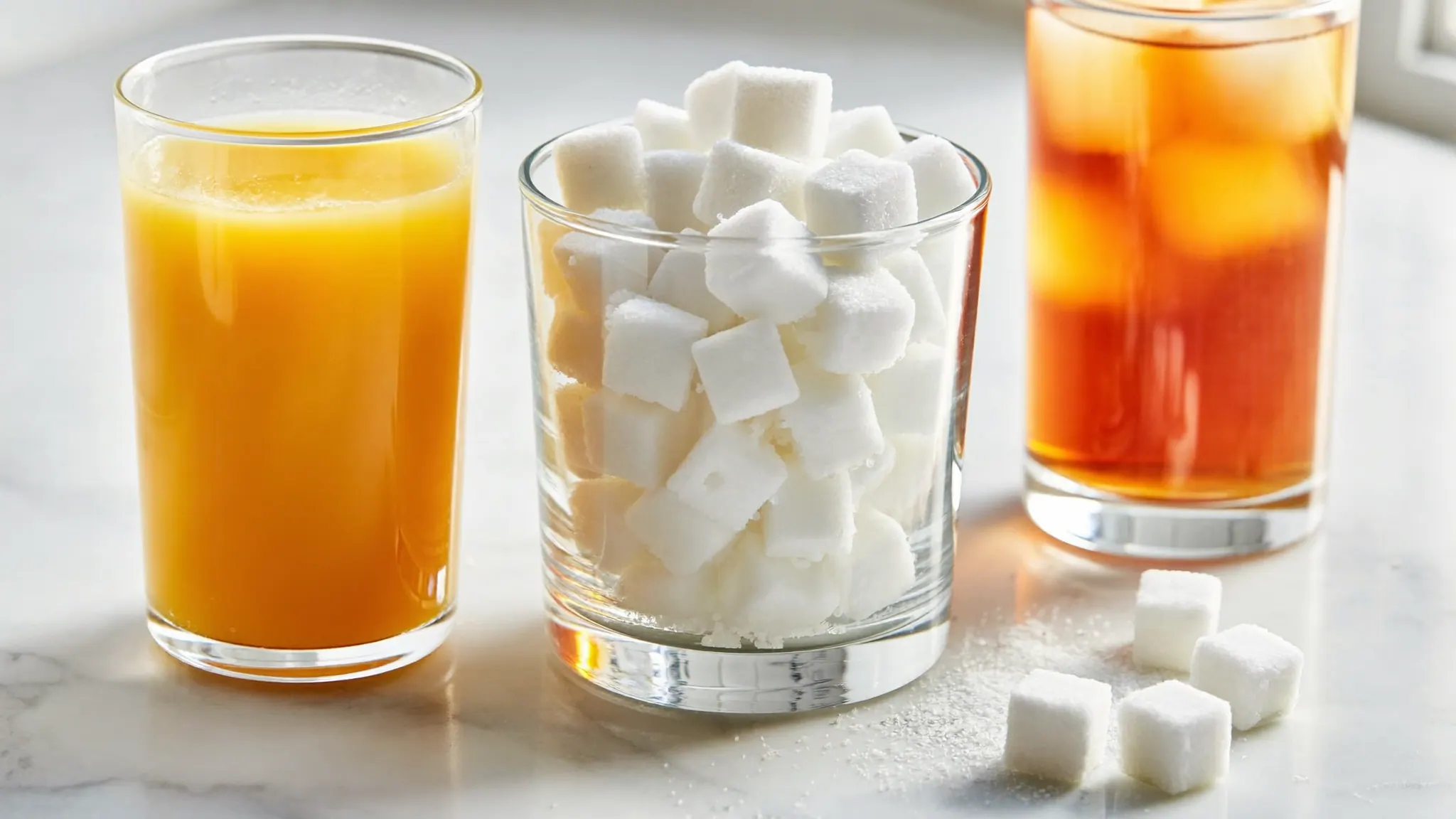
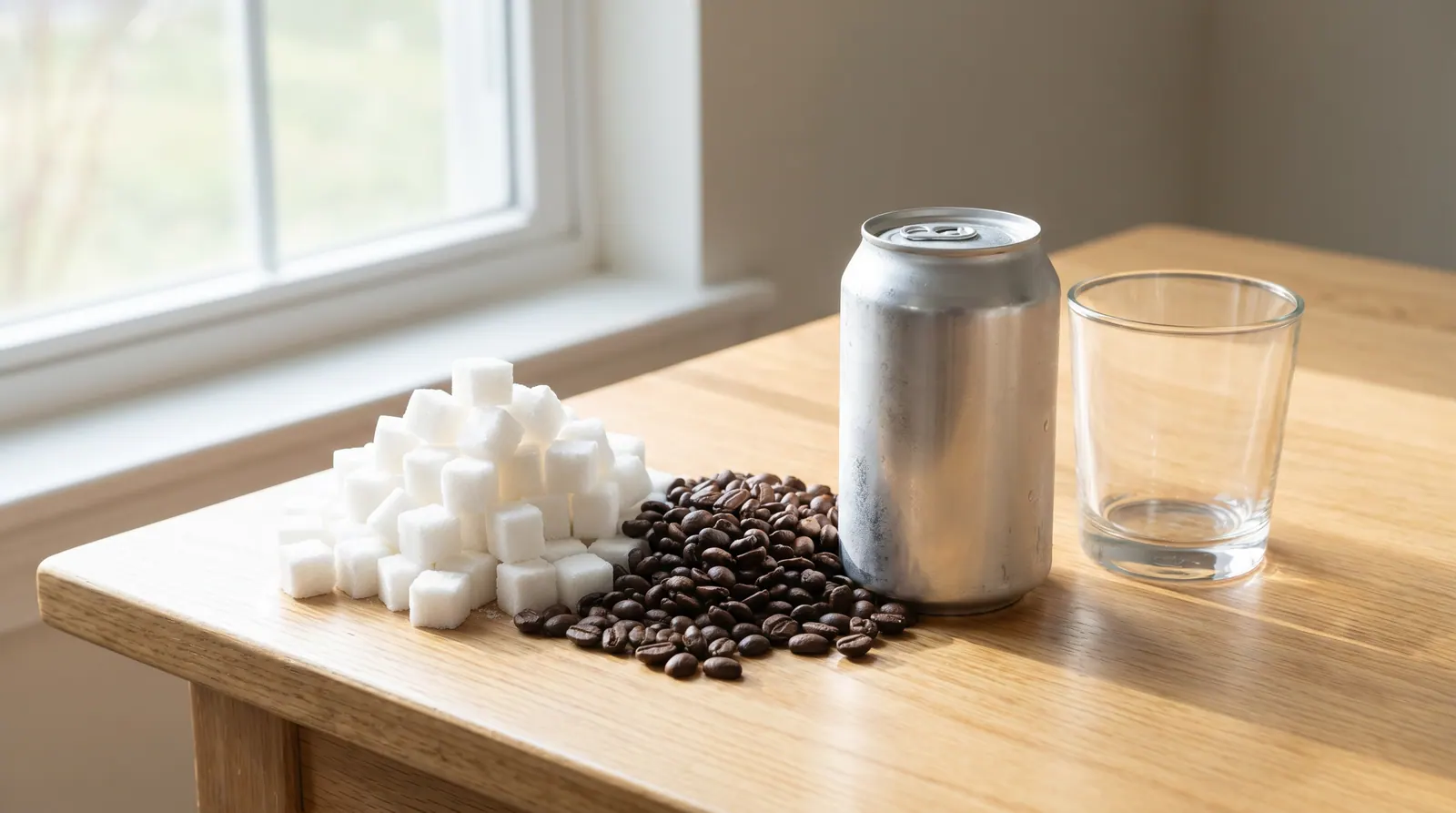
People often focus on caffeine and forget that many energy drinks are also loaded with sugar. A small can might contain about 27 grams of sugar, and a large one can reach 54 or even 63 grams. For comparison, the American Heart Association recommends that children and teenagers consume no more than 25 grams of added sugar per day. A single can can exceed the entire day's limit.
This liquid sugar enters the bloodstream quickly, raising blood sugar levels and then causing a crash, leading to a false energy boost followed by fatigue that drives you to another can. To delve deeper into how sugar hides in our daily drinks and foods, check out our guide on Hidden Sugar in Saudi Food. Practically: Even sugar-free versions remain loaded with caffeine, so the absence of sugar doesn't make the can innocent.
Why Mixing with Exercise and Other Caffeine is Dangerous
Energy drinks are sometimes marketed as exercise companions, which is one of their most dangerous uses. Strenuous exercise raises heart rate and causes fluid loss through sweat. Caffeine adds stimulation to the nervous system and a diuretic effect that increases dehydration, doubling the strain on the heart and circulatory system. Reviews indicate that many documented cardiac events have been linked to indiscriminate use, mixing with intense physical exertion, or other substances.
The same danger is repeated when combining energy drinks with other caffeine sources throughout the day: morning coffee, tea, a soda, and then an energy drink. The cumulative dose can add up without you realizing it. Practically: Do not drink an energy drink before or during exercise. Water is the companion for exercise. Calculate your daily caffeine intake from all sources, not just the can.

Specific Risk for Teenagers and Children
A teenager is not a small adult; their body and brain are still developing, their need for sleep is greater, and their sensitivity to stimulants is higher. This is why the American Academy of Pediatrics states that caffeine and stimulants in energy drinks have no place in children's and adolescents' diets. Statistics support this concern: in the US alone, approximately 1,499 adolescents aged 12-17 visited the emergency room in one year due to an energy drink-related incident.
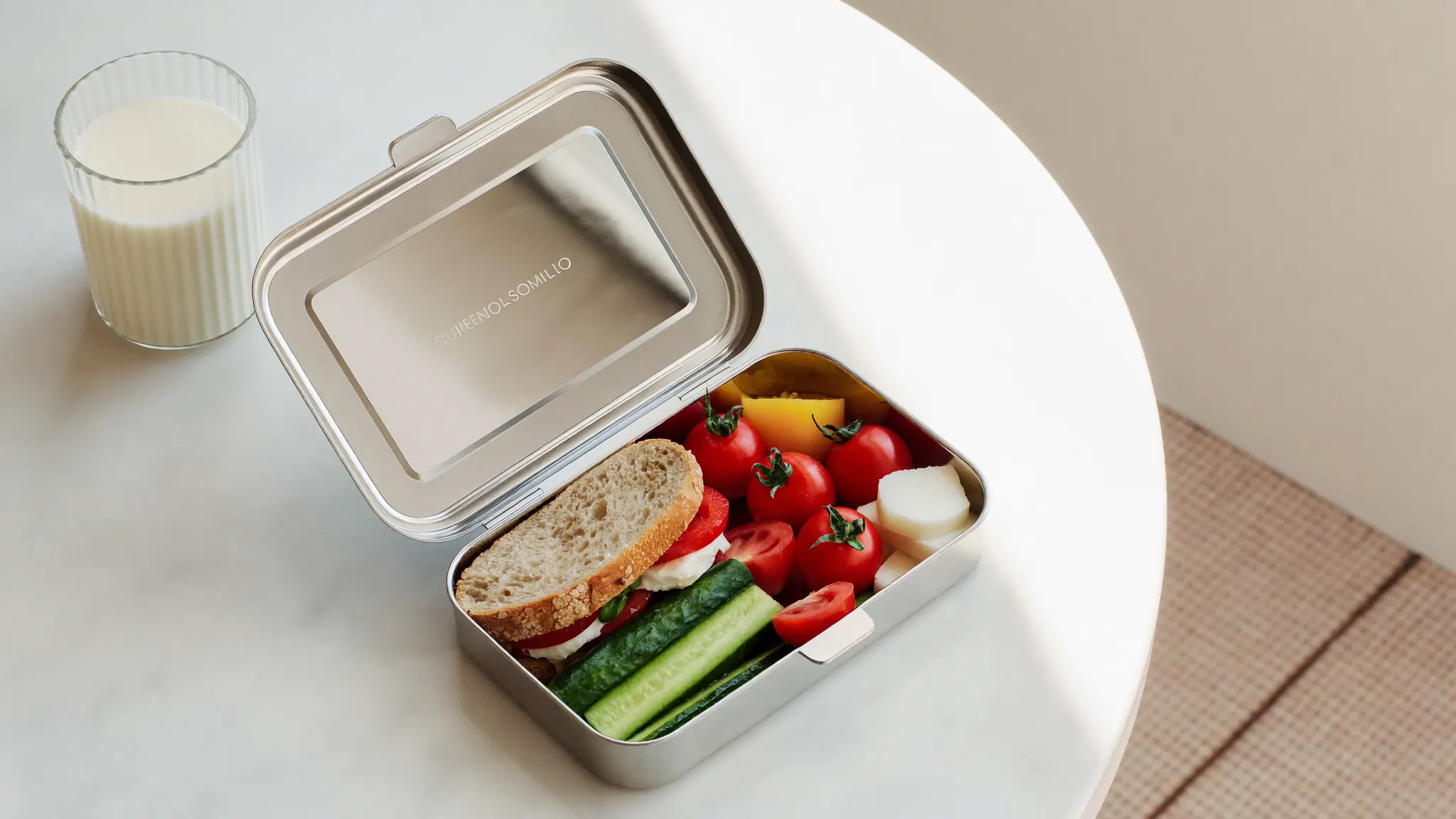
The problem is compounded because teenagers often drink them for late-night studying or gaming, precisely when they need sleep. This robs them of sleep and then induces anxiety. Practically: If there's a teenager at home, the message isn't to reduce consumption but to remove the can from their routine, replacing it with regular sleep and a proper breakfast. For families, our guide on School Breakfast and the Lunchbox can help build real morning energy that makes the can unnecessary.
Our Youth and the Can — A Local Scene
Energy drinks are prevalent among Saudi youth, especially during exam seasons and late nights. In a survey of Jeddah teenagers involving over 1,000 students aged 12-19, 45% were found to consume energy drinks, with significantly higher rates among males than females.
More concerning than the consumption rate is the awareness: in the same survey, nearly half of the teenagers were unaware that energy drinks contain caffeine, and about two-thirds considered these drinks a type of regular soda. Practically: The issue here isn't the availability of the can but the ignorance of its contents. The first step is to recognize that it's a stimulant, not a hydration drink. Educate those around you about what's in the can before asking them to quit.
How to Cut Back Safely Without Suffering
If you're accustomed to energy drinks, stopping abruptly can cause headaches, fatigue, and mood swings because your body has become dependent on the stimulant. Therefore, gradual reduction is gentler than sudden cessation: reduce the number of cans week by week, dilute the can with water, or replace the second can of the day with water or milder coffee.
Most importantly, address the cause, not just the symptom. Energy drinks often mask insufficient sleep, so improving sleep naturally reduces the need for them. Drink enough water, as much of what we perceive as sleepiness is actually dehydration. Shift your caffeine intake to the morning and stop it after noon. Practically: Don't aim for perfection from day one. Reduce one can this week and observe how your sleep improves, which will guide you to the next step.

Better Alternatives to the Can
The greatest source of true energy isn't sold in a can but rests in your bed: a sufficient night's sleep does more for your focus than any amount of caffeine. Next comes water; dehydration is one of the most hidden causes of fatigue and headaches, and a glass of cold water often dispels sleepiness you thought needed a stimulant.
Then comes real food: a breakfast with protein and whole grains provides sustained energy without a crash. A snack of dates with a handful of nuts offers a familiar, gentle boost from our culinary heritage. For those who want coffee, moderate consumption in the morning is fine; at least it's free of liquid sugar load. Practically: Before reaching for the can, ask yourself: Am I truly tired, thirsty, or sleep-deprived? The answer often leads you to a cheaper and more beneficial alternative.
Five Common Myths About Energy Drinks
Half-truths abound about energy drinks, promising more than they deliver. Here are the most common ones, and what the evidence says:
"Energy drinks give you extra energy."
"It's just a soda, no different."
"The number on the label is all the caffeine you're drinking."
"Drink it before exercise for better performance."
"Sugar-free versions are healthy and safe."
Practical Tips to Implement Today
Before you adopt the full protocol, here are small guidelines from the core of the article, reducing your reliance on the can without disrupting your day:
- Read the label before opening the can. Check the caffeine and sugar content, and remember that guarana adds hidden caffeine beyond the declared number.
- Calculate your total daily caffeine. Sum up coffee, tea, sodas, and the energy drink. The safe limit for adults is about 400 mg, calculated from all sources, not just the can.
- Stop caffeine after noon. Its effects last for hours, so an evening can steals your sleep and induces anxiety simultaneously.
- Never mix it with exercise. Water is the companion for workouts; keep stimulants away from strenuous physical activity and dehydration.
- Reduce gradually, not suddenly. Lower consumption by one can per week or dilute it with water. Abrupt cessation can cause headaches and fatigue that lead you back.
- Ask yourself before reaching for the can. Am I tired, thirsty, or sleep-deprived? Often, water or a short nap is enough.
- Fix your sleep first. Most of the need for the can is masking insufficient sleep. Regular sleep automatically reduces the need for it.
- Keep it completely away from teenagers. For them, it's not about reduction but abstinence. Replace it with a proper breakfast and adequate sleep.
EEINA's Protocol for Real Energy Without the Can
A practical plan combining the above into three progressive layers. Start layer by layer and note your response to understand what works for you.
The protocol is based on safe caffeine limits and practical sleep and hydration guidelines.
Know What You're Drinking
Four habits before any sip.
Cut Back Safely
Steps to break dependence.
Build Real Energy
Addressing the cause, not the symptom.
Golden Rule: The goal isn't a lighter can, but energy that doesn't require a can. Address your sleep, hydration, and diet, and the need for stimulants will naturally fade.
Frequently Asked Questions
How much caffeine is in an energy drink can?
What is the safe daily caffeine intake for adults and teenagers?
Do energy drinks affect the heart?
Why do energy drinks disrupt my sleep?
Is mixing energy drinks with exercise dangerous?
When to Consult a Doctor — Red Flags
Energy drinks are often a source of stimulants that can be avoided. However, certain symptoms warrant immediate medical evaluation:
- Severe palpitations or irregular heartbeat after consumption or independently requires urgent evaluation.
- Chest pain, shortness of breath, or severe dizziness: Stop immediately and seek medical help.
- Persistent anxiety, tremors, or severe insomnia that recurs with caffeine intake and disrupts your daily life.
- Continuous headaches or overwhelming fatigue when trying to reduce intake; seek guidance for a safe withdrawal plan.
- Pre-existing heart condition, high blood pressure, pregnancy, or age under 18 before any energy drink consumption.
- Taking chronic medication that may interact with caffeine; consult your doctor or pharmacist.
Start Your Next Step with EEINA
Meal Plans for Lasting Energy
Balanced Saudi meals that provide steady alertness throughout the day, reducing your need for the can.
Get Your Plan →Real Breakfast Recipes
Easy ideas for breakfast with protein and whole grains, providing real morning energy without the crash.
Try Them →EEINA App
Tracks your daily caffeine and sugar intake, reminds you to drink water, sleep, and eat breakfast for real energy.
Download →