The Common Claim vs. The Quiet Truth
The narrative that a spoonful of cinnamon in the morning lowers blood sugar, and that cinnamon cures diabetes without medication, is pervasive. This promise is appealing because it's simple and inexpensive, but it's far grander than what the evidence supports. The quiet truth: cinnamon may be associated with a modest effect on some blood sugar markers, but it is not a cure nor a substitute for medication.
Practically speaking: Enjoying cinnamon in your food is fine, but don't build your blood sugar management plan around it. Those who treat cinnamon as a supportive flavor gain a pleasant taste without illusions, while those who treat it as medicine risk neglecting what truly makes a difference. Distinguish between enjoyment and treatment; confusing the two is the root of exaggeration.
What the Evidence Actually Says About Blood Sugar
A meta-analysis published in the Annals of Family Medicine reviewed ten randomized controlled trials involving 543 patients with type 2 diabetes. It found that cinnamon was associated with a reduction in fasting blood sugar by an average of approximately 25 mg/dL, as well as improvements in total cholesterol, LDL cholesterol, triglycerides, and a slight increase in HDL cholesterol.
However, note the crucial caveat: the analysis found no statistically significant effect on HbA1c, the long-term control marker that is of greater concern to physicians. Furthermore, the reduction in fasting blood sugar was less than that achieved by metformin. The practical message: the effect exists but is modest and not guaranteed for everyone.
Why Evidence Quality Matters Before You Believe
Numbers alone are not enough; the quality of evidence determines how much we can trust it. In this meta-analysis, the variation between studies was very high for most indicators, meaning the results were not consistent, which limits their applicability to all patients. The studies also differed in the type of cinnamon, dosage, duration, and participant demographics.
Practically, this means the optimal dosage and duration of use remain unclear, and the literature is not robust enough for a confident recommendation. The golden rule: when evidence is low to moderate in quality and inconsistent, treat any potential benefit as a possibility, not a promise, and base your plan on proven treatments and nutrition, not on fragile results.

Are You Building Overblown Hopes on Cinnamon? — A Self-Check
This self-assessment is a guide to help you review your expectations of cinnamon and your behavior with it. It does not replace consulting your doctor or monitoring your blood sugar. Choose what applies to you:
Ceylon vs. Cassia Cinnamon — Not All the Same
Not all cinnamon is created equal. The type commonly found in markets and cheaper is Cassia, with a darker color and a thick, firm stick. Ceylon cinnamon, or true cinnamon, is more expensive, lighter in color, and has a thin, multi-layered stick that resembles a rolled cigar.
The fundamental difference is not just in taste but in coumarin content: Cassia contains significantly higher coumarin, while Ceylon contains a very small amount. The practical rule: if you use cinnamon occasionally, there's little to worry about. However, if you consume it daily or take a supplement, opt for Ceylon to protect your liver.

Coumarin and Liver Risk at High Doses
Coumarin is a natural compound found in cinnamon, abundant in Cassia and scarce in Ceylon. European authorities have set an acceptable daily intake of 0.1 mg per kilogram of body weight, which is about 6 mg per day for a 60 kg person.
Importantly: at high doses, coumarin can cause liver damage in a small subset of sensitive individuals, ranging from elevated liver enzymes to hepatitis. However, the effect is usually reversible and resolves upon discontinuation. Practically: a sprinkle of cinnamon in food is safe for most people. Concerns arise with large, regular quantities of Cassia or its supplements. Health authorities indicate that cinnamon doses below 6 grams per day do not generally appear to be risky, but caution with Cassia is warranted.
Our Coffee & Desserts — Where Cinnamon Appears in Our Cuisine
Cinnamon is present in our cuisine more than we might think: in brewed coffee and some coffee blends, in kunafa, ma'amoul, Ramadan sweets, and some rice and meat dishes. These amounts in typical food are mild and generally within safe limits for most people.
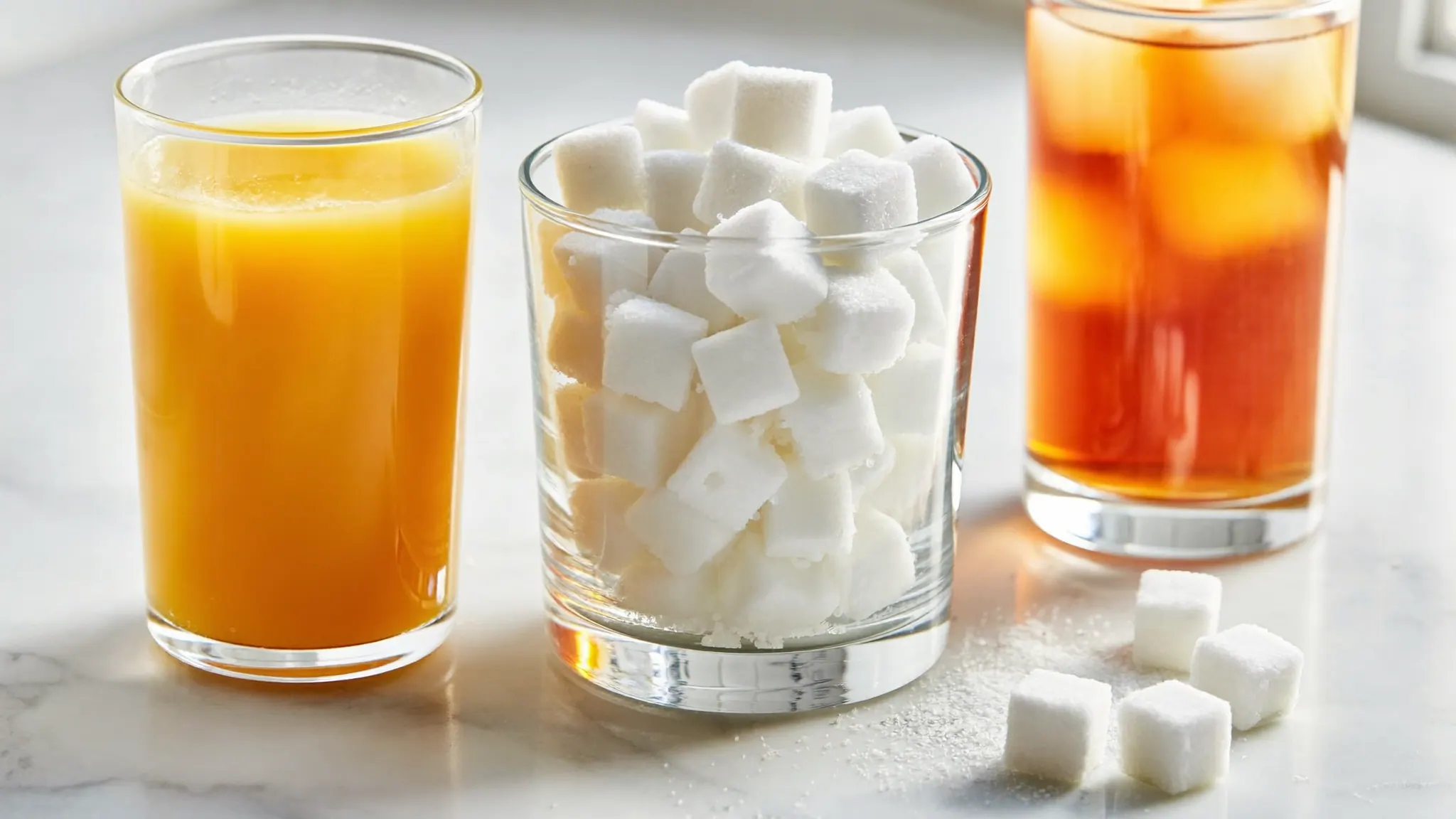
The practical message: there's no need to worry about a sprinkle of cinnamon in your coffee or dessert. However, if you're a fan and add it generously daily, or buy cinnamon supplements, pay attention to the type and prefer Ceylon. Remember that cinnamon sweets contain added sugar that raises your blood sugar more than cinnamon might lower it, so don't use the perceived benefit as an excuse for indulgence.
How to Incorporate It Into Your Diet Wisely
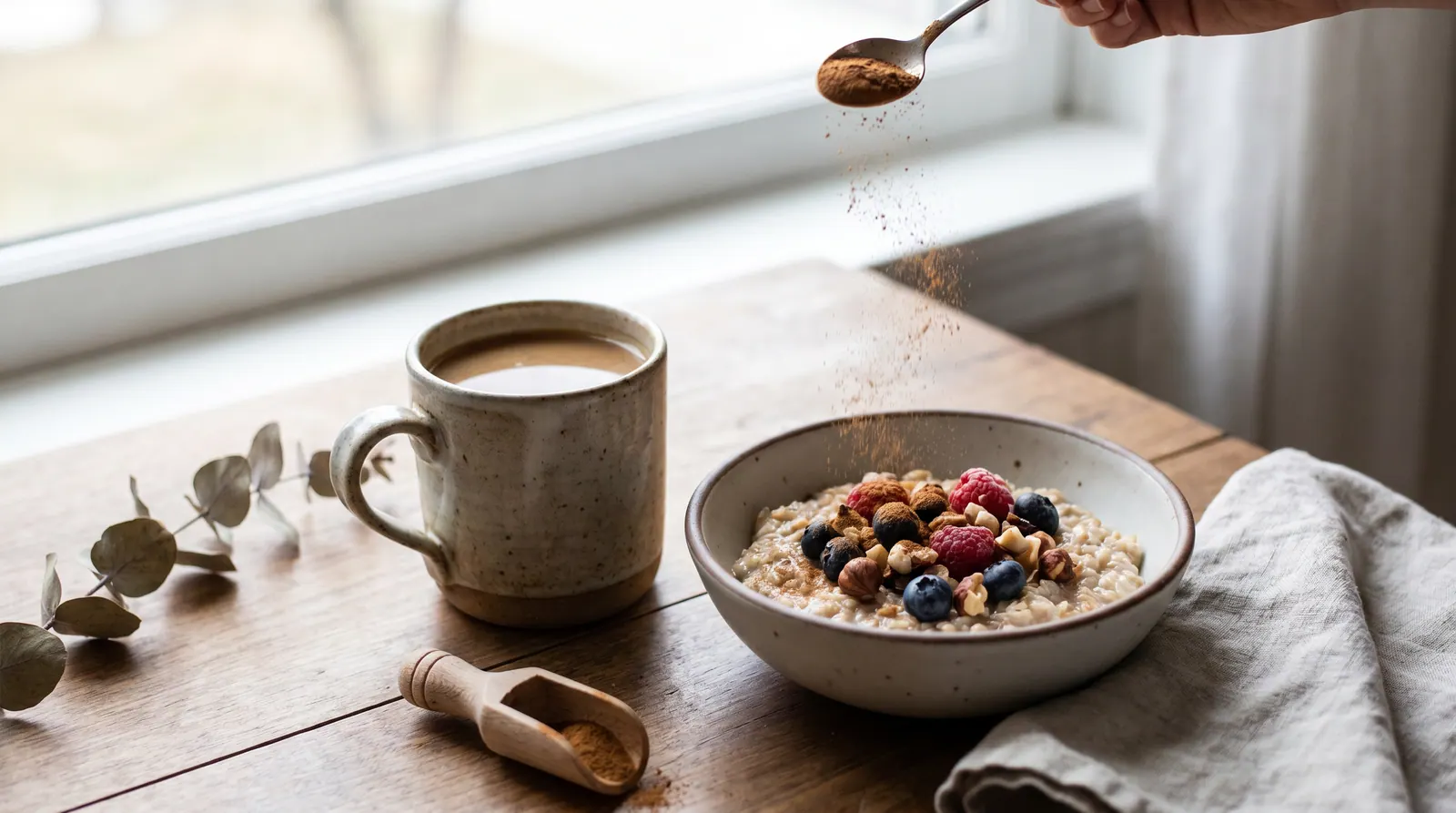
The best way to benefit from cinnamon is to use it as a flavor to replace sugar, not to add to it. Sprinkle it on oatmeal, yogurt, and fruits, or in coffee and tea, or on roasted sweet potatoes or squash. This way, you gain a warm flavor that reduces your need for added sugar, which in itself is a greater benefit for your blood sugar than any direct effect of cinnamon.
Practically: Start with half a teaspoon spread throughout the day, and prefer Ceylon if you use it frequently. Don't chase large doses hoping for a stronger effect; more is not necessarily better and can bring you closer to coumarin limits with Cassia. Make cinnamon part of a calmer eating habit, not a standalone solution.
Supplements: A Limited Option, Don't Abandon Your Medication
Cinnamon supplements are heavily marketed to diabetics, but the evidence does not support them as a treatment, and the optimal dosage is unclear. More concerningly, some Cassia cinnamon supplements may contain concentrated coumarin and could interact with diabetes medications, leading to adverse effects.
The strict rule: Never replace your diabetes medication with any unproven product. Insulin or prescribed medications remain the cornerstone of treatment. If you wish to try a cinnamon supplement, consult your doctor or pharmacist first, especially if you are on diabetes medication or have liver disease.
The Myth That Cinnamon Cures Diabetes
The most dangerous claim is that cinnamon cures diabetes or makes medication unnecessary. This is untrue, and there is no strong evidence to support it. The most the evidence suggests is a modest and variable effect on fasting blood sugar, with no confirmed effect on long-term control.
Health authorities are clear in warning against replacing diabetes treatment with unproven products. The practical conclusion: those who abandon their medication based on cinnamon may pay a high health price. Treat cinnamon as a potential supportive flavor within a comprehensive plan of medication, diet, and monitoring, not as a standalone treatment.
What Science Actually Says
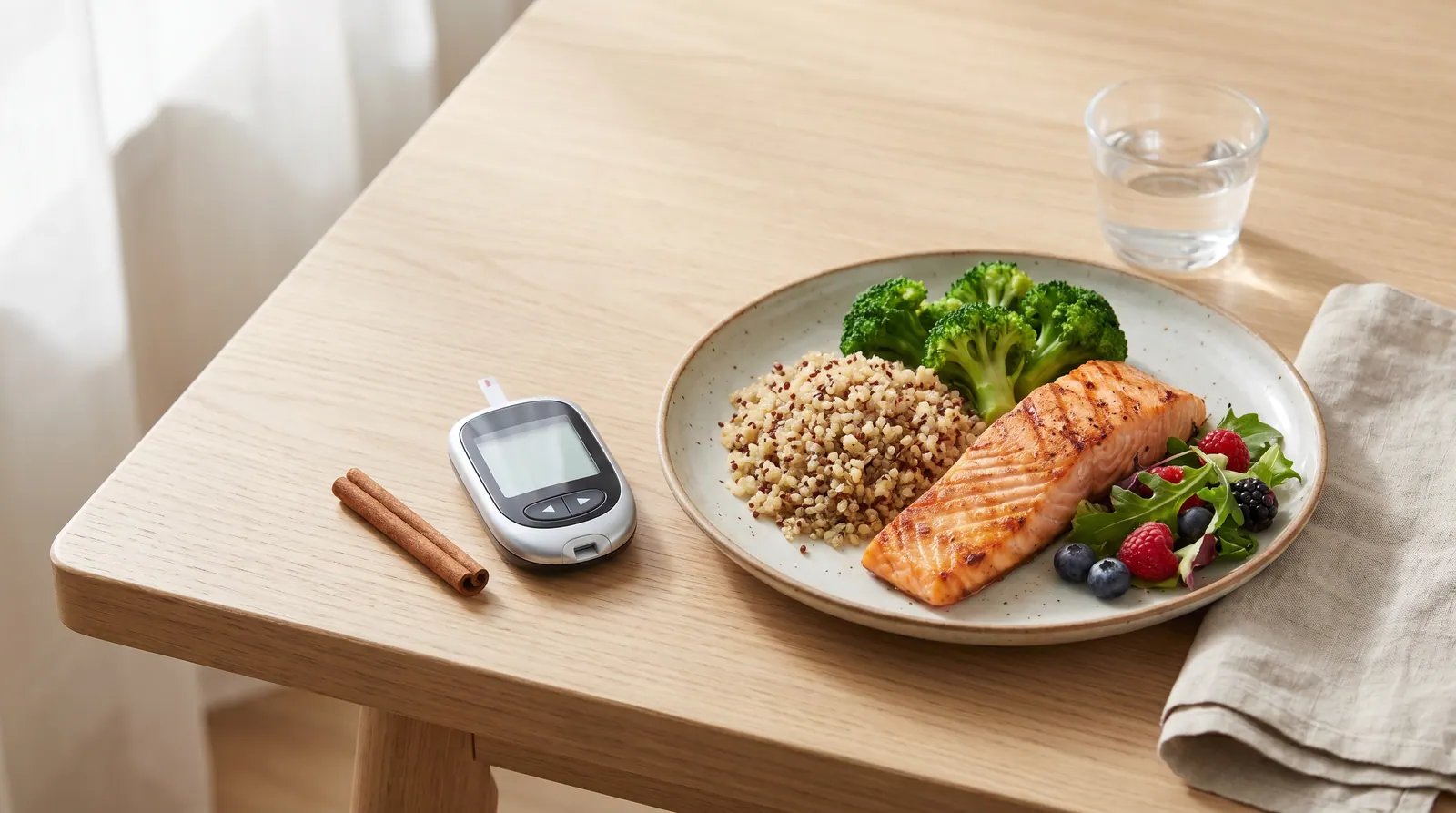
The meta-analysis found an association between cinnamon and a modest reduction in fasting blood sugar (around 25 mg/dL) and some lipid improvements, but without a significant effect on HbA1c, and with considerable variation between studies.
More importantly: the optimal dosage and duration of use are unclear, the evidence quality is low to moderate, and health authorities do not consider it a cure. The practical conclusion: don't expect controlled blood sugar from a sprinkle of cinnamon. Stick to your medication, fix your diet, monitor your sugar with tests, and treat cinnamon as a potential supportive agent, not a proven solution.
Five Common Myths About Cinnamon and Blood Sugar
Half-truths promising more than the evidence supports often circulate about cinnamon. Here are the most common ones, and what the evidence says:
"Cinnamon cures diabetes and makes medication unnecessary."
"The more cinnamon I take, the lower my sugar will get."
"All cinnamon in the market is the same and safe."
"The study numbers definitively prove cinnamon's benefit."
"Cinnamon desserts are beneficial for diabetics."
Practical Tips to Implement Today
Before diving into the full protocol, here are small guidelines from the core message, helping you benefit from cinnamon safely without exaggeration or false promises:
- Make it a flavor to replace sugar. Sprinkle cinnamon on oatmeal, yogurt, and fruits instead of added sugar. This benefit to your sugar levels is greater than any direct effect of cinnamon.
- Prefer Ceylon if you use it frequently. If you add cinnamon daily or in large amounts, choose Ceylon cinnamon to reduce coumarin intake and protect your liver.
- Don't chase large doses. Half a teaspoon spread throughout the day is sufficient. More is not necessarily better and can bring you closer to coumarin limits with Cassia.
- Beware of cinnamon desserts. Their added sugar negates any supposed benefit and raises your blood sugar. Cinnamon here is not an excuse for sweets.
- Never abandon your medication. Cinnamon is a potential supportive agent, not a substitute. Adhering to prescribed medication is the cornerstone of diabetes management.
- Monitor your sugar with tests. Don't rely on your feelings or social media promises. Measurement and medical follow-up are the true metrics.
- Consult before taking supplements. Do not start a cinnamon supplement with diabetes medication or liver disease without consulting your doctor or pharmacist, as it may interact or contain concentrated coumarin.
- Fix the foundation first. A balanced plate, physical activity, sleep, and medication make the biggest difference. Cinnamon is a pleasant addition on top of a solid foundation.
EEINA's Protocol for Wise Cinnamon Use with Blood Sugar
A practical plan combining the above into three progressive layers. Start layer by layer, and note your response to understand what works for you.
This protocol is based on the limits of evidence for blood sugar, the safe coumarin limit, and health authorities' warnings against abandoning medication.
Correct Your Understanding First
Before any spoonful.
Incorporate It Safely
Flavor, not a dose.
Review Under Supervision
Before any supplement.
Golden Rule: The goal is not a spoonful of cinnamon to cure your sugar, but a comprehensive plan of medication, diet, and monitoring, where cinnamon serves as a supportive flavor, not a standalone solution.
Frequently Asked Questions
Does cinnamon actually lower blood sugar?
Does cinnamon cure diabetes?
What is the difference between Ceylon and Cassia cinnamon?
Can cinnamon harm the liver?
What is a safe daily amount of cinnamon?
When to Consult Your Doctor — Red Flags
Cinnamon is a gentle supportive agent in most cases, but certain situations warrant medical evaluation without delay:
- Considering stopping or reducing diabetes medication based on cinnamon. Consult your doctor; do not decide alone.
- Yellowing of the skin or eyes, or upper right abdominal pain: Signs that may indicate liver issues, especially with frequent Cassia or supplement use.
- Frequent hypoglycemia when combining cinnamon with diabetes medication. Medication may need adjustment under doctor's supervision.
- Existing liver disease or medications affecting the liver before starting any cinnamon supplement or consuming large amounts of Cassia.
- Pregnancy or breastfeeding before using cinnamon supplements or large quantities.
- Chronic lack of blood sugar control despite cinnamon and diet. This requires a full evaluation of your treatment plan.
Start Your Next Step with EEINA
Blood Sugar Balance Meal Plan
Balanced Saudi recipes that manage sugar through the plate, not promises, with a gentle cinnamon flavor instead of added sugar.
Get Your Plan →Recipes with Cinnamon, No Added Sugar
Easy ideas to replace some sugar with cinnamon in oatmeal, yogurt, and fruits.
Try Them →EEINA App
Helps you build a balanced plate for your sugar, tracks your meals, and reminds you of your daily habits.
Download →