
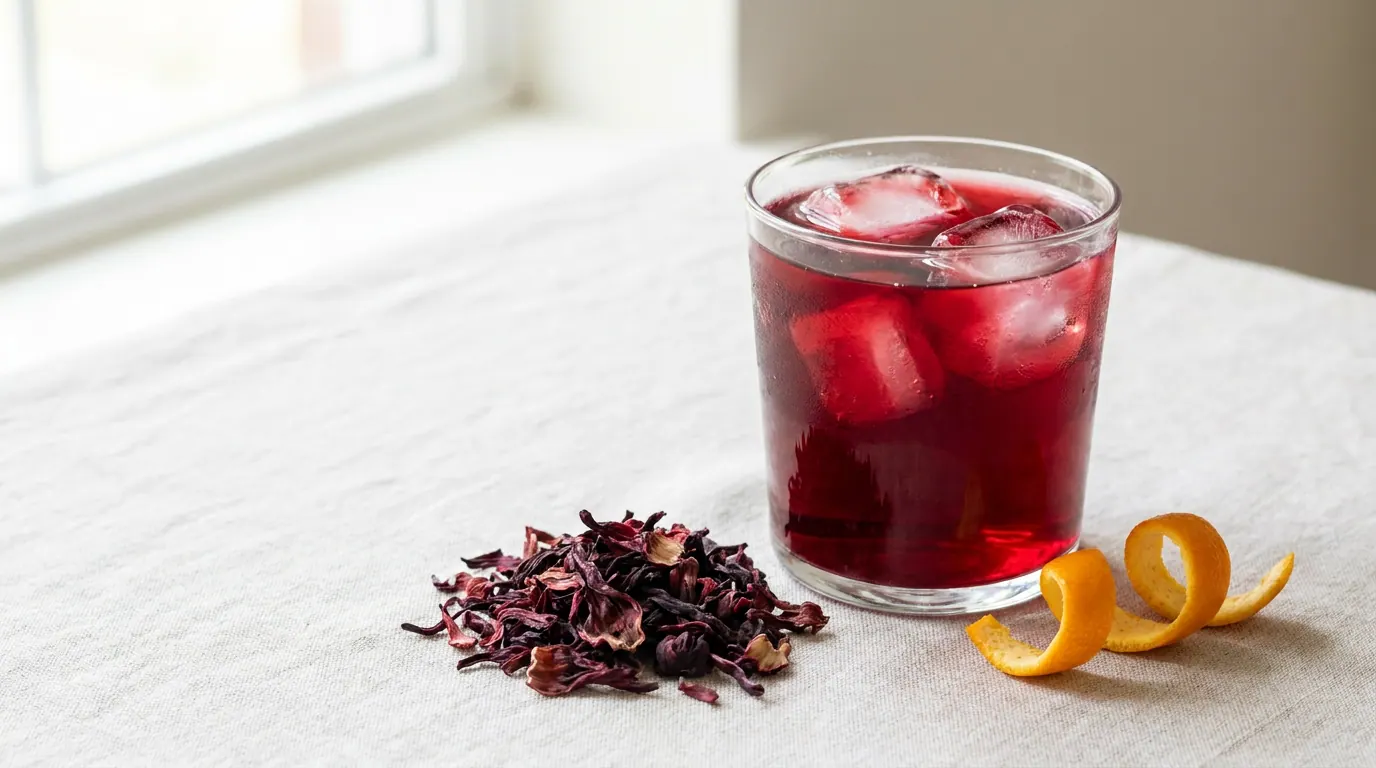
Hibiscus & Blood Pressure
Systematic reviews and meta-analyses of clinical trials have shown that daily consumption of Hibiscus sabdariffa tea can significantly lower both systolic and diastolic blood pressure. Its anthocyanins act as natural ACE inhibitors, promoting vascular relaxation.
Biological Mechanisms
The deep red color comes from powerful antioxidants called anthocyanins, which protect cells from oxidative stress and support heart health.
Studies suggest that hibiscus extracts may inhibit the absorption of starch and glucose, potentially supporting weight management and blood sugar control.
The Perfect Infusion
To preserve the delicate nutrients and flavor, avoid boiling the hibiscus for too long. Instead, use the steeping method:
- Method: Bring water to a boil, remove from heat, add dried hibiscus petals, and steep for 10–15 minutes.
- Sweetening: Avoid refined sugar. Use a small amount of honey or enjoy its natural tartness.
- Serving: Delicious hot during winter or served over ice with a slice of lemon during the Saudi summer.
Frequently Asked Questions
Does hibiscus really lower blood pressure?
Does it interact with blood-pressure medication?
Cold or hot?
Optimize Your Health with EEINA
EEINA calculates the glycemic impact of your favorite drinks and meals. Start your personalized plan today.
References & Sources
- Systematic Review Hibiscus and blood pressure reduction: randomized trials — PubMed
- Systematic Review Hibiscus and cardiometabolic markers — Nutrition Reviews
- Randomized Trials Hibiscus tea and cardiac risk factors — PubMed
Last verified: 2026-05-30. Health claims on this page are presented honestly at their actual level of evidence.